The Evolution of Efficient Fuel Management: Harnessing Predictive Analytics for a Greener Tomorrow
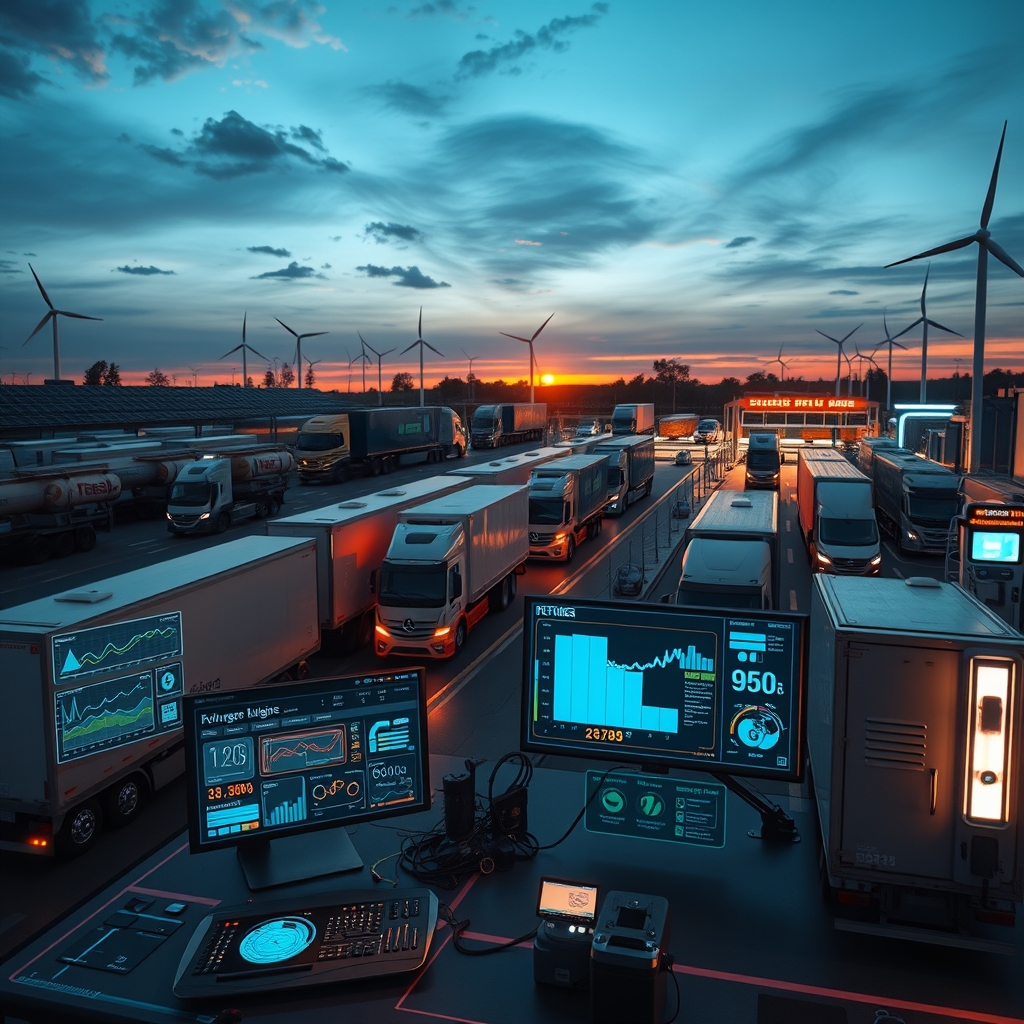
The logistics and transport sectors are undergoing a profound transformation, driven by the urgent need for sustainability and efficiency. At the heart of this shift lies efficient fuel management, a discipline that has evolved from rudimentary tracking to a sophisticated, data-driven science. Today, the integration of predictive fuel analytics and real-time consumption data is not just optimizing operations—it’s redefining what it means to consume energy responsibly.
The Foundation of Modern Fuel Efficiency
For decades, fuel management was a reactive process. Fleet managers relied on historical data, manual logs, and educated guesses to plan refueling and monitor consumption. While these methods provided a baseline for efficiency, they lacked the precision needed to address the dynamic challenges of modern logistics. The introduction of intelligent fuel monitoring systems marked a turning point, enabling real-time tracking of fuel levels, consumption rates, and vehicle performance. However, the true revolution began when these systems were paired with advanced analytics.
Predictive fuel analytics leverages machine learning and artificial intelligence to analyze vast datasets, identifying patterns and anomalies that human operators might overlook. By processing variables such as route conditions, driver behavior, vehicle load, and even weather forecasts, these systems can forecast fuel needs with remarkable accuracy. This shift from reactive to proactive management allows fleets to minimize waste, reduce costs, and lower their carbon footprint—all while maintaining operational excellence.
The Role of Real-Time Data in Sustainable Energy Consumption
Real-time consumption data is the lifeblood of modern fuel management. Unlike static reports or delayed metrics, real-time data provides an immediate snapshot of fuel usage, enabling fleet managers to make informed decisions on the fly. For example, if a vehicle’s fuel efficiency drops unexpectedly, the system can alert operators to potential issues such as engine problems, inefficient driving habits, or suboptimal route planning. This level of granularity ensures that fleets can address inefficiencies before they escalate into costly problems.
Moreover, real-time data facilitates adaptive energy workflows, where fuel strategies are continuously refined based on live feedback. For instance, a logistics company might use real-time data to dynamically adjust refueling schedules, ensuring that vehicles are topped up at the most cost-effective and environmentally friendly locations. This not only reduces downtime but also supports eco-conscious fuel selection by prioritizing low-carbon fuel sources or charging stations for electric vehicles.
From Data to Action: The Power of Transparent Fuel Tracking
Transparency is a cornerstone of effective fuel management. Without clear visibility into fuel usage, fleets risk inefficiencies, fraud, and compliance issues. Transparent fuel tracking systems address these challenges by providing a comprehensive, tamper-proof record of every drop of fuel consumed. These systems often integrate with telematics, GPS, and fuel card data to create a unified view of fuel transactions, consumption patterns, and vehicle performance.
The benefits of transparent tracking extend beyond operational efficiency. For stakeholders, including regulators, customers, and investors, transparency builds trust and demonstrates a commitment to sustainability. For example, a fleet that can prove its adherence to carbon-neutral fuel solutions through verifiable data is more likely to secure partnerships with eco-conscious businesses or qualify for green incentives. Additionally, transparent tracking can uncover opportunities for further optimization, such as identifying underutilized vehicles or routes that could be consolidated for greater efficiency.
The Future of Fuel: Integrating Sustainability and Performance
As the logistics industry continues to evolve, the focus is shifting from mere efficiency to high-performance energy usage. This means not only reducing fuel consumption but also maximizing the output of every unit of energy. Achieving this balance requires a holistic approach that combines advanced fleet fueling technologies with sustainable transport fueling practices.
One of the most promising developments in this space is the rise of integrated fuel logistics. By consolidating fuel procurement, storage, and distribution into a single, streamlined system, fleets can reduce redundancies and improve coordination. For example, a company might use a centralized platform to manage fuel orders, monitor inventory levels, and schedule deliveries, ensuring that fuel is always available when and where it’s needed. This level of integration not only enhances efficiency but also supports green fuel adoption by making it easier to source and distribute alternative fuels such as biodiesel, hydrogen, or electricity.
Seamless Refueling: The Next Frontier in Logistics
The refueling process itself is undergoing a transformation, with innovations designed to minimize downtime and maximize convenience. Seamless refueling experiences are becoming the norm, thanks to technologies such as automated fueling stations, mobile refueling services, and even drone-based delivery systems. These advancements are particularly valuable for fleets operating in remote or high-traffic areas, where traditional refueling methods can be time-consuming and disruptive.
For electric and hybrid fleets, seamless refueling takes on an additional dimension. Smart charging solutions, such as vehicle-to-grid (V2G) technology, allow fleets to not only draw power from the grid but also feed excess energy back into it. This creates a symbiotic relationship between fleets and energy providers, reducing costs and supporting the broader transition to renewable energy sources. As these technologies mature, they will play a critical role in shaping the future of sustainable energy consumption.
The journey toward efficient fuel management is far from over, but the progress made thus far is a testament to the power of innovation. By embracing predictive analytics, real-time data, and transparent tracking, fleets are not only optimizing their operations but also paving the way for a more sustainable future. The tools and technologies exist—what’s needed now is the collective will to implement them at scale. As industries continue to prioritize sustainability, the lessons learned from fuel management will serve as a blueprint for broader energy transformations, proving that efficiency and environmental stewardship can go hand in hand.