The Evolution of Mobility: From Internal Combustion to Zero Emission Vehicles
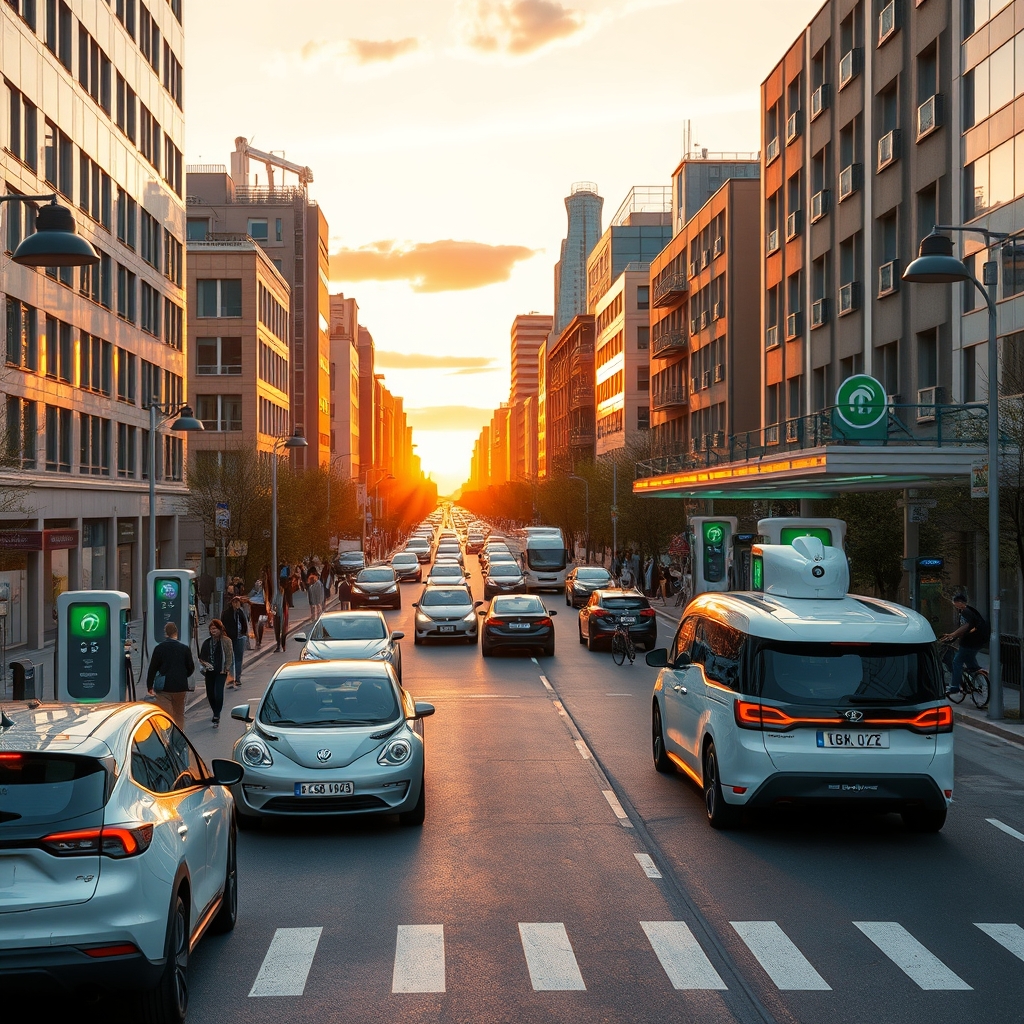
The automotive industry is undergoing a profound transformation, driven by the urgent need to reduce carbon emissions and combat climate change. This shift is not just about replacing old technologies with new ones; it’s about reimagining how we move from one place to another. At the heart of this evolution lie several key innovations that are reshaping the future of mobility.
Electric Vehicles and Battery Technology
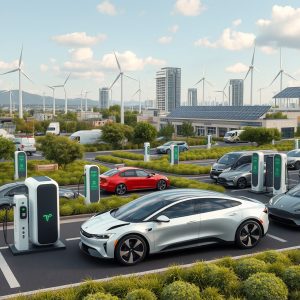
Electric Vehicles (EVs) have emerged as a frontrunner in the quest for zero emission mobility. Advances in battery technology, particularly the development of solid state batteries, promise to revolutionize the EV market. These batteries offer higher energy density, faster charging times, and improved safety compared to traditional lithium-ion batteries. As a result, EVs are becoming more practical and affordable for consumers, making them a viable alternative to internal combustion engine (ICE) vehicles.
Battery Management Systems
One of the critical components of EV technology is the Battery Management System (BMS). This system ensures the optimal performance and longevity of the battery by monitoring its temperature, state of charge, and overall health. A well-designed BMS can significantly enhance the efficiency and reliability of EVs, making them a more attractive option for consumers.
Hydrogen Fuel Cells and Synthetic Fuels
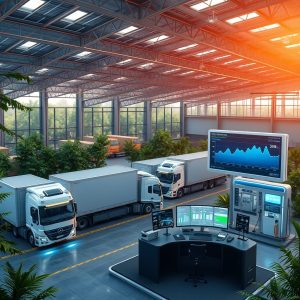
While EVs are gaining traction, hydrogen fuel cells and synthetic fuels are also playing a crucial role in the transition to zero emission mobility. Hydrogen fuel cells convert hydrogen into electricity, emitting only water vapor as a byproduct. This technology is particularly promising for heavy-duty vehicles and long-distance travel, where EVs may fall short due to limited range and charging infrastructure.
Synthetic fuels, on the other hand, are produced from renewable energy sources and can be used in existing ICE vehicles with minimal modifications. These fuels offer a bridge to a carbon-neutral future, allowing us to leverage current infrastructure while reducing emissions.
Hybrid Powertrains and Turbocharged Direct Injection
Hybrid powertrains combine the best of both worlds—electric motors and internal combustion engines. This dual-fuel combustion approach enhances fuel efficiency and reduces emissions, making hybrid vehicles a practical choice for many consumers. Turbocharged direct injection (TDI) technology further improves the efficiency of ICE vehicles by optimizing fuel combustion and reducing emissions.
Renewable Diesel and Eco-Friendly Biofuels
Renewable diesel and eco-friendly biofuels are also contributing to the shift towards sustainable transportation. These fuels are produced from renewable sources such as plant oils and waste materials, reducing the carbon footprint of ICE vehicles. As research and development continue, these biofuels are becoming more efficient and cost-effective, making them a viable option for the future.
Autonomous Driving Systems and Connected Car Technology
Autonomous driving systems and connected car technology are transforming the way we think about mobility. These innovations promise to enhance safety, reduce traffic congestion, and improve overall efficiency. By integrating advanced sensors, artificial intelligence, and communication systems, autonomous vehicles can navigate roads more efficiently and safely than human drivers.
Connected car technology enables vehicles to communicate with each other and with infrastructure, creating a seamless and efficient transportation network. This technology is particularly beneficial for zero emission vehicles, as it can optimize routes, reduce energy consumption, and enhance the overall driving experience.
As we stand on the cusp of a new era in mobility, it’s clear that the future is electric, connected, and sustainable. The innovations in electric vehicles, hydrogen fuel cells, synthetic fuels, and autonomous driving systems are paving the way for a carbon-neutral future. By embracing these technologies, we can create a more efficient, eco-friendly, and enjoyable transportation system for generations to come.