The Road to Zero Emission Mobility: Innovations in Electric Vehicles and Sustainable Fuels

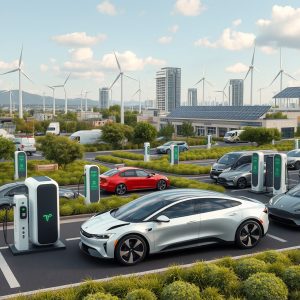
The automotive industry is undergoing a significant transformation, driven by the urgent need to reduce carbon emissions and combat climate change. As we move towards a more sustainable future, innovations in electric vehicles (EVs) and alternative fuels are playing a pivotal role. This article explores the advancements in electric vehicles, hydrogen fuel cells, synthetic fuels, and other technologies that are shaping the future of carbon neutral mobility.
Electric Vehicles: The Future of Sustainable Transportation
Electric vehicles are at the forefront of the shift towards zero emission mobility. With advancements in battery technology, EVs are becoming more efficient and affordable. Solid state batteries, in particular, offer higher energy density and faster charging times, making them a promising solution for the future. Additionally, regenerative braking systems are enhancing the overall efficiency of EVs by converting kinetic energy into electrical energy, which is then stored in the battery.
Battery Management Systems: Ensuring Optimal Performance
Battery management systems (BMS) are crucial for the optimal performance and longevity of EV batteries. These systems monitor the battery’s state of charge, temperature, and overall health, ensuring that the battery operates within safe parameters. Advanced BMS can also optimize charging and discharging cycles, extending the battery’s lifespan and improving the vehicle’s range.
Smart Charging Infrastructure: Powering the Future
Smart charging infrastructure is essential for the widespread adoption of EVs. This infrastructure includes fast-charging stations, wireless charging systems, and intelligent grid management. Smart charging systems can optimize charging times based on grid demand, reducing the strain on the electrical grid and ensuring a steady supply of power for EVs.
Hydrogen Fuel Cells: A Clean and Efficient Alternative
Hydrogen fuel cells are another promising technology for zero emission mobility. These cells generate electricity by combining hydrogen and oxygen, producing only water as a byproduct. Hydrogen fuel cell vehicles (FCVs) offer several advantages, including longer driving ranges and faster refueling times compared to EVs. However, the infrastructure for hydrogen production and distribution needs to be significantly expanded to support widespread adoption.
Synthetic Fuels: Bridging the Gap to Carbon Neutrality
Synthetic fuels, also known as e-fuels, are produced using renewable energy sources and carbon dioxide captured from the atmosphere. These fuels can be used in internal combustion engines (ICEs) and hybrid powertrains, providing a bridge to carbon neutrality. Synthetic fuels offer the potential to reduce greenhouse gas emissions from existing vehicles without the need for significant infrastructure changes.
Dual Fuel Combustion: Enhancing Efficiency and Sustainability
Dual fuel combustion systems allow vehicles to run on a combination of conventional fuels and alternative fuels, such as biofuels or hydrogen. This technology enhances the efficiency and sustainability of internal combustion engines, reducing emissions and improving fuel economy. Dual fuel systems can be integrated into existing vehicles, making them a cost-effective solution for transitioning to more sustainable mobility.
As we continue to innovate and adopt new technologies, the future of carbon neutral mobility looks promising. Electric vehicles, hydrogen fuel cells, synthetic fuels, and other advancements are paving the way for a more sustainable and efficient transportation system. By embracing these innovations, we can reduce our carbon footprint and create a cleaner, greener future for generations to come.