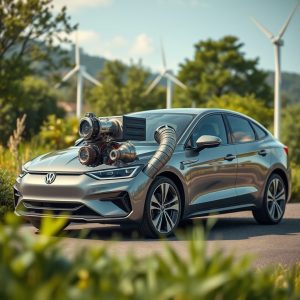
The Next Wave of Sustainable Mobility: How Hybrid Powertrains and Eco-Friendly Biofuels Are Redefining the Internal Combustion Engine
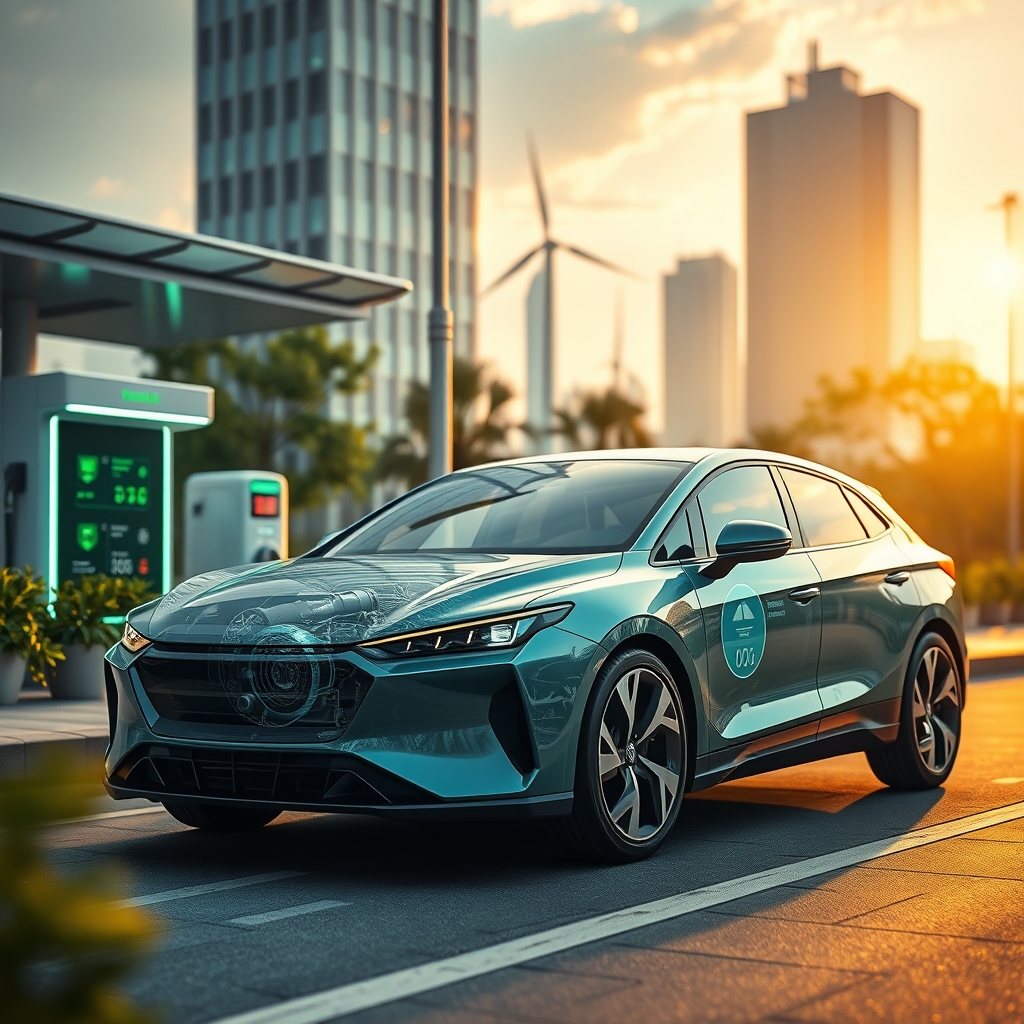
The automotive industry stands at a crossroads, where the urgency of climate action meets the relentless demand for innovation. While electric vehicles (EVs) dominate headlines as the future of transportation, a quieter revolution is unfolding under the hoods of millions of cars still reliant on internal combustion engines (ICEs). This transformation is not about abandoning the past but reimagining it—blending the reliability of traditional powertrains with cutting-edge technologies like hybrid systems and eco-friendly biofuels to create a bridge toward a carbon-neutral future.
The Hybrid Powertrain: A Masterclass in Efficiency
Hybrid powertrains have evolved from a niche solution to a mainstream powerhouse, offering a compelling middle ground between pure electric mobility and conventional ICEs. By combining an internal combustion engine with an electric motor and a battery pack, hybrids deliver unparalleled fuel efficiency without sacrificing range or performance. The secret lies in their ability to optimize energy use dynamically, switching between electric and gasoline power based on driving conditions.
Regenerative braking, a hallmark of hybrid systems, captures kinetic energy typically lost during deceleration and stores it in the battery for later use. This not only improves fuel economy but also reduces wear on traditional braking systems. Meanwhile, advancements in battery management systems (BMS) ensure that the energy stored is used as efficiently as possible, extending the lifespan of the battery and enhancing overall vehicle performance. The result? A driving experience that feels futuristic yet familiar, with lower emissions and reduced fuel consumption.
The Role of Eco-Friendly Biofuels
While hybrids excel in urban environments, the challenge of decarbonizing long-haul transportation and existing ICE fleets remains. This is where eco-friendly biofuels step in as a game-changer. Unlike first-generation biofuels, which often competed with food crops for land, next-generation biofuels are derived from sustainable sources like agricultural waste, algae, and even carbon dioxide captured from the atmosphere. These fuels offer a drop-in solution, meaning they can be used in existing engines with little to no modification, making them an immediate and scalable option for reducing greenhouse gas emissions.
Renewable diesel, a type of biofuel, stands out for its ability to match the performance of petroleum-based diesel while slashing carbon emissions by up to 80%. When paired with advanced exhaust aftertreatment systems, renewable diesel can achieve near-zero particulate and nitrogen oxide emissions, further narrowing the gap between ICEs and zero-emission vehicles. For industries reliant on heavy-duty trucks, shipping, or aviation, biofuels represent a lifeline—a way to meet sustainability goals without overhauling entire fleets overnight.
Dual Fuel Combustion: The Best of Both Worlds
For those seeking even greater efficiency, dual fuel combustion systems offer a tantalizing glimpse into the future of ICEs. These systems combine two different fuels—typically diesel and a gaseous fuel like natural gas or hydrogen—to optimize combustion and reduce emissions. The diesel acts as a pilot fuel, igniting the primary gaseous fuel, which burns cleaner and more efficiently. The result is a significant reduction in carbon dioxide, particulate matter, and other harmful pollutants.
Dual fuel systems are particularly promising for commercial vehicles, where the cost of transitioning to electric or hydrogen powertrains can be prohibitive. By leveraging existing engine architectures and fueling infrastructure, dual fuel combustion provides a cost-effective pathway to lower emissions without sacrificing performance or range. As hydrogen fuel cells continue to mature, dual fuel systems could even serve as a stepping stone, allowing fleets to gradually integrate hydrogen into their operations while maintaining compatibility with traditional fuels.
The Path to Carbon Neutral Mobility
The journey toward carbon-neutral mobility is not a single-lane highway but a multi-pronged approach where every technology plays a role. Hybrid powertrains and eco-friendly biofuels are not mere stopgaps; they are vital components of a broader strategy to decarbonize transportation. By improving the efficiency of ICEs and reducing their environmental impact, these technologies buy time for the development and adoption of zero-emission alternatives like solid-state batteries and hydrogen fuel cells.
Moreover, the integration of connected car technology and smart charging infrastructure can further enhance the sustainability of hybrid and biofuel-powered vehicles. Real-time data on fuel efficiency, traffic patterns, and charging availability can help drivers optimize their routes and energy use, reducing emissions even further. Autonomous driving systems, still in their infancy, could one day leverage this data to create a seamless, eco-friendly transportation network where every mile driven is as efficient as possible.
As the automotive industry races toward a zero-emission future, it’s easy to overlook the incremental innovations that are making today’s vehicles cleaner and more efficient. Hybrid powertrains and eco-friendly biofuels are not just bridging the gap—they are redefining what it means to drive sustainably. They remind us that the road to carbon neutrality is not about choosing one technology over another but about harnessing the best of all worlds to create a future where mobility is both exhilarating and responsible. The wheels of progress are already in motion, and with every mile driven, we edge closer to a world where the journey is as green as the destination.