
Algae-Based Biofuels and E-Methanol: The Next Frontier in Carbon-Neutral Fuel Innovation
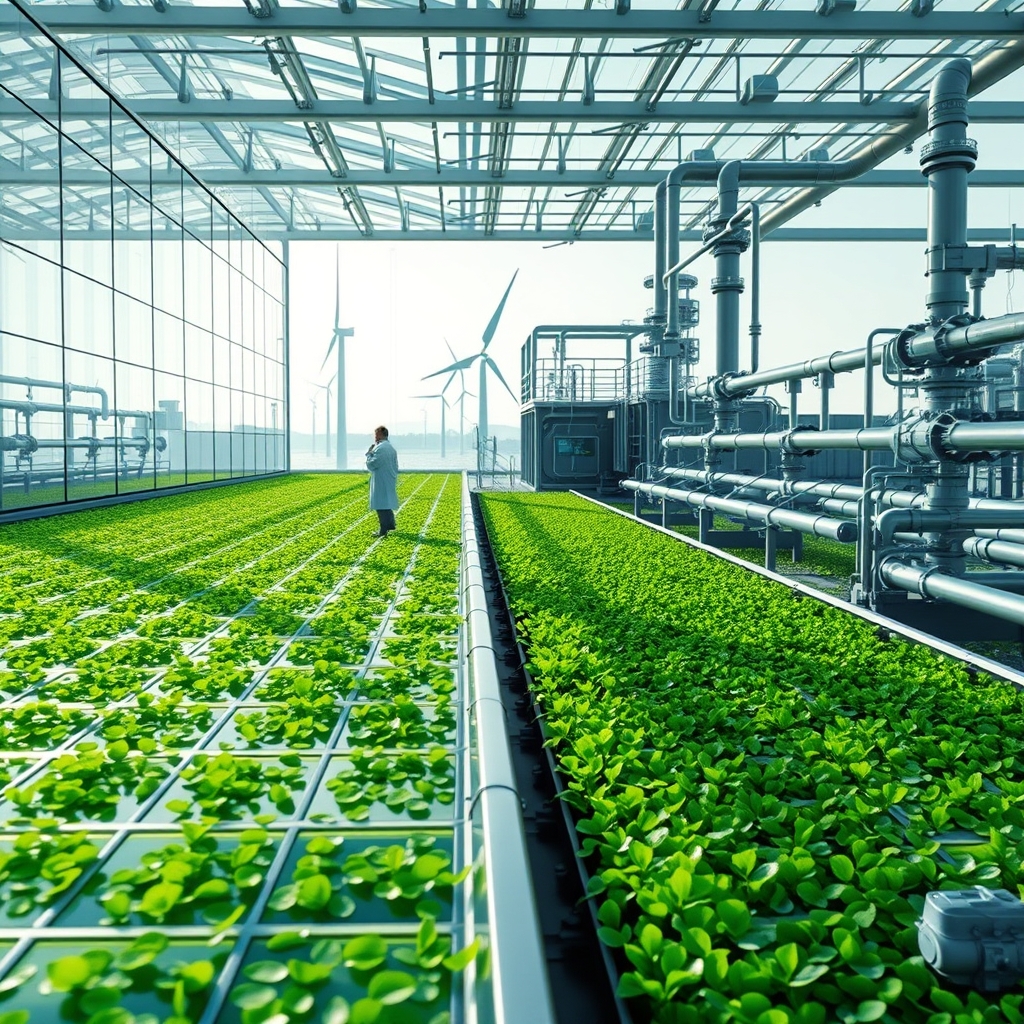
The quest for sustainable, carbon-neutral fuels has led researchers and engineers to explore some of the most innovative and unexpected sources of energy. Among these, algae-based biofuels and e-methanol have emerged as two of the most promising contenders, offering a glimpse into a future where transportation no longer relies on finite, polluting resources. These advanced fuels are not just alternatives—they represent a fundamental shift in how we produce, store, and utilize energy, with the potential to drastically reduce greenhouse gas emissions while maintaining the performance and efficiency modern society demands.
The Science Behind Algae-Based Biofuels
Algae, often overlooked as mere pond scum, are among the most efficient photosynthetic organisms on Earth. They can convert sunlight, carbon dioxide, and water into biomass at a rate far exceeding that of traditional crops like corn or soybeans. This efficiency makes algae an ideal candidate for biofuel production, as they can be cultivated in non-arable land, using saline or wastewater, without competing with food production. The process begins with algae cultivation, where strains are selected based on their lipid (oil) content, growth rate, and resilience to environmental conditions.
Once harvested, the algae undergo lipid extraction, where oils are separated from the biomass. These oils can then be refined into biodiesel through a process called transesterification, or converted into other biofuels like bioethanol or renewable diesel. What sets algae apart is their ability to sequester carbon dioxide during growth, making the entire lifecycle of algae-based biofuels nearly carbon-neutral. Additionally, the residual biomass after oil extraction can be used for animal feed, fertilizers, or even as a feedstock for biogas production, ensuring minimal waste.
Challenges and Breakthroughs
Despite their potential, algae-based biofuels face several challenges, primarily related to scalability and cost. Large-scale algae cultivation requires significant infrastructure, energy, and water, which can drive up production costs. However, recent advancements in genetic engineering and bioreactor design are addressing these issues. For instance, scientists are developing algae strains with higher lipid yields and faster growth rates, while closed-loop photobioreactors are improving cultivation efficiency by optimizing light exposure and nutrient delivery.
Another breakthrough comes from the integration of algae cultivation with industrial carbon capture. Facilities like power plants or cement factories can channel their CO2 emissions directly into algae ponds, turning a waste product into a valuable resource. This symbiotic relationship not only reduces emissions but also lowers the cost of algae biofuel production, making it a more viable alternative to fossil fuels.
The Promise of E-Methanol: A Versatile Carbon-Neutral Fuel
While algae-based biofuels offer a biological solution to sustainable fuel, e-methanol represents a chemical approach to carbon neutrality. E-methanol, or electro-methanol, is produced by combining green hydrogen (generated through electrolysis using renewable electricity) with captured carbon dioxide. The result is a liquid fuel that can be used in existing internal combustion engines with minimal modifications, making it a practical drop-in replacement for gasoline or diesel.
The production of e-methanol begins with the electrolysis of water, which splits H2O into hydrogen and oxygen using renewable energy sources like wind or solar power. The green hydrogen is then combined with CO2—either captured from industrial emissions or directly from the atmosphere—in a catalytic process known as hydrogenation. This reaction produces methanol, a versatile fuel that can be used in fuel cells, blended with gasoline, or even converted into other synthetic fuels like e-diesel or e-kerosene.
Applications and Advantages
One of the most compelling advantages of e-methanol is its compatibility with existing infrastructure. Unlike hydrogen, which requires specialized storage and transportation systems, e-methanol can be handled using the same tanks, pipelines, and fueling stations currently used for conventional fuels. This makes it an attractive option for industries where electrification is challenging, such as shipping, aviation, and heavy-duty transport.
E-methanol also offers a solution to the energy storage problem inherent in renewable power. Excess electricity generated from wind or solar farms can be used to produce e-methanol, which can then be stored and transported to where it is needed. This not only stabilizes the grid but also provides a means of decarbonizing sectors that are difficult to electrify. For example, the maritime industry, responsible for nearly 3% of global CO2 emissions, is already exploring e-methanol as a cleaner alternative to heavy fuel oil.
Synergies Between Algae Biofuels and E-Methanol
While algae-based biofuels and e-methanol are often discussed separately, their potential synergies could accelerate the transition to a carbon-neutral future. For instance, the CO2 captured during the production of e-methanol could be fed into algae cultivation systems, creating a closed-loop cycle where emissions from one process become the feedstock for another. Similarly, the residual biomass from algae biofuel production could be gasified to produce syngas, a precursor for e-methanol synthesis.
This integration extends beyond production. Both fuels can be used in dual-fuel systems or blended to optimize performance and emissions. For example, a blend of algae biodiesel and e-methanol could power a direct fuel injection engine, combining the high energy density of biodiesel with the clean combustion properties of methanol. Such hybrid systems could bridge the gap between today’s internal combustion engines and tomorrow’s zero-emission vehicles, offering a practical pathway to reducing emissions without sacrificing performance.
Economic and Environmental Impact
The economic potential of algae biofuels and e-methanol is immense, particularly as governments and industries commit to net-zero targets. The global market for biofuels is projected to reach $200 billion by 2030, with advanced biofuels like algae-based fuels capturing a significant share. Meanwhile, the e-methanol market is expected to grow rapidly, driven by demand from the shipping and aviation sectors, where alternatives to fossil fuels are urgently needed.
Environmentally, the benefits are equally compelling. Algae biofuels can reduce lifecycle greenhouse gas emissions by up to 80% compared to petroleum-based fuels, while e-methanol offers a pathway to carbon-neutral or even carbon-negative fuel, depending on the source of the CO2. When produced using renewable electricity and captured carbon, e-methanol can effectively recycle emissions, turning a liability into an asset. Together, these fuels could play a crucial role in meeting the Paris Agreement’s climate goals, particularly in sectors where electrification is not yet feasible.
The journey toward a sustainable fuel future is not without its challenges, but the progress being made in algae-based biofuels and e-methanol demonstrates that innovation is not just possible—it is already underway. These technologies are not merely stopgap solutions; they represent a fundamental reimagining of how we power our world. As research advances and economies of scale are achieved, the cost barriers will continue to fall, making these fuels accessible to a broader range of industries and applications. The shift to carbon-neutral fuels is no longer a distant dream but an achievable reality, one that holds the promise of cleaner air, a stable climate, and a more sustainable future for generations to come.