
Beyond Fossil Fuels: How Electrofuels and Advanced Biofuels Are Redefining Transportation
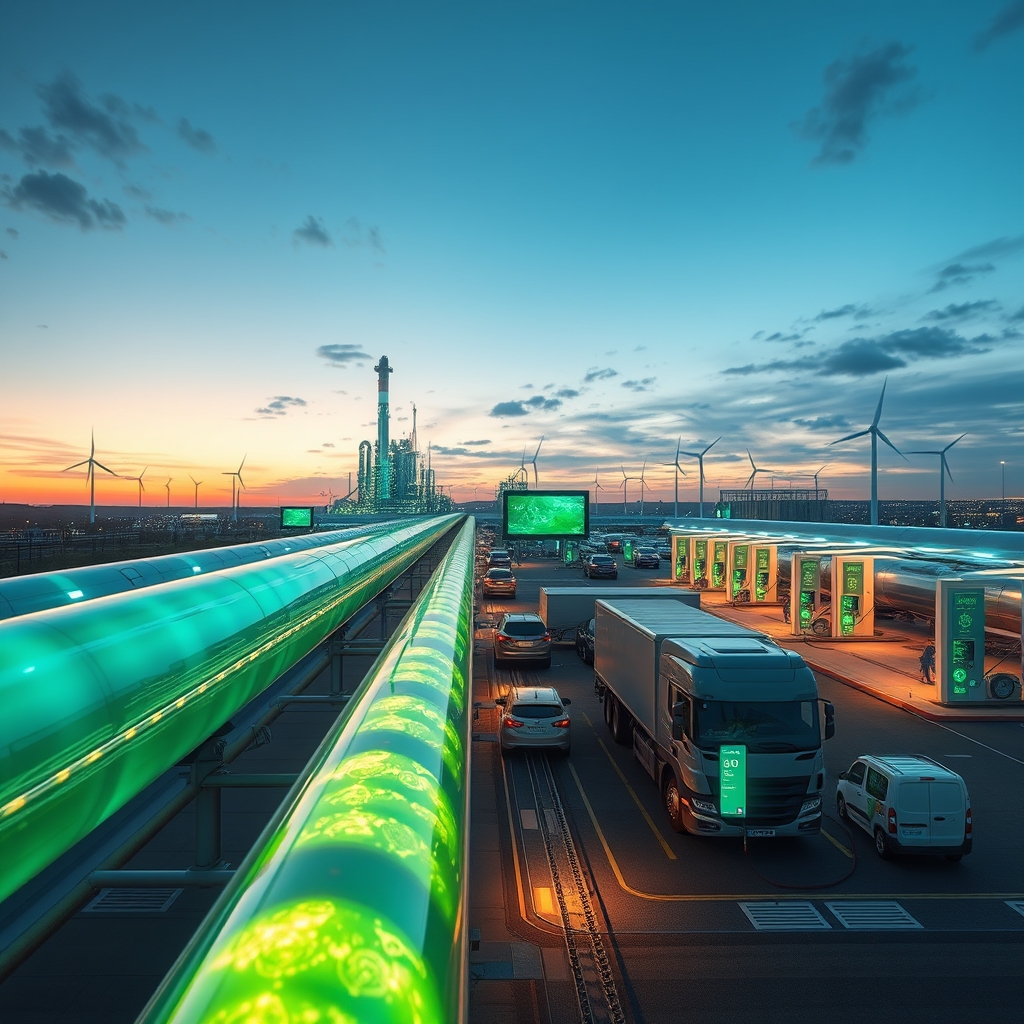
The transportation sector stands at a crossroads, facing the urgent need to reduce greenhouse gas emissions while maintaining efficiency and performance. Traditional fossil fuels, long the backbone of global mobility, are increasingly being supplemented—and in some cases replaced—by innovative alternatives like electrofuels and advanced biofuels. These next-generation energy sources promise not only to lower carbon footprints but also to integrate seamlessly with existing infrastructure, offering a bridge between today’s technologies and a sustainable future.
The Rise of Electrofuels: Powering the Future with Renewable Energy
Electrofuels, also known as e-fuels or synthetic fuels, are produced by combining renewable electricity with captured carbon dioxide (CO₂) and water. Through processes like electrolysis and Fischer-Tropsch synthesis, these fuels can be engineered to mimic the properties of gasoline, diesel, or even jet fuel. What makes electrofuels particularly compelling is their potential to utilize excess renewable energy from sources like wind and solar, effectively storing it in liquid or gaseous form for later use.
One of the most promising applications of electrofuels is in sectors where electrification is challenging, such as aviation and shipping. For example, e-methanol and e-kerosene can be used in existing engines with minimal modifications, making them a practical solution for industries that rely on high-energy-density fuels. Additionally, electrofuels are carbon-neutral when produced using renewable energy, as the CO₂ emitted during combustion is offset by the CO₂ captured during production.
Green Hydrogen: The Building Block of Electrofuels
At the heart of electrofuel production lies green hydrogen, generated through the electrolysis of water using renewable electricity. Unlike gray or blue hydrogen, which is derived from natural gas, green hydrogen produces zero emissions during its creation. This makes it a critical component in the synthesis of electrofuels, as it provides the hydrogen atoms needed to combine with CO₂ and form hydrocarbons.
Advancements in green hydrogen storage and transportation are also accelerating the adoption of electrofuels. High-pressure tanks and liquid organic hydrogen carriers (LOHCs) are being developed to safely and efficiently store hydrogen, addressing one of the key challenges in scaling up this technology. As infrastructure improves, green hydrogen could become a cornerstone of a decarbonized energy system, powering everything from fuel cell electric vehicles to industrial processes.
Advanced Biofuels: Harnessing Nature’s Potential
While electrofuels represent a futuristic approach to sustainable mobility, advanced biofuels offer a more immediate solution by leveraging organic materials like agricultural waste, algae, and non-food crops. Unlike first-generation biofuels, which often compete with food production, advanced biofuels are derived from feedstocks that do not strain land or water resources. This makes them a more sustainable and scalable option for reducing emissions in the transportation sector.
Algae-Based Biofuels: A Game-Changer for Sustainable Fuel
Algae-based biofuels are among the most exciting developments in the advanced biofuels space. Algae can be cultivated in wastewater or saltwater, eliminating the need for arable land and freshwater resources. They also grow rapidly and can produce up to 30 times more oil per acre than traditional crops like soybeans or corn. When processed, algae can yield biodiesel, bioethanol, or even biogas, all of which can be used in existing engines with little to no modification.
Beyond their environmental benefits, algae-based biofuels have the potential to create new economic opportunities. For example, algae farms can be integrated with wastewater treatment plants, turning a waste product into a valuable resource. Additionally, the byproducts of algae processing, such as protein-rich biomass, can be used in animal feed or other industries, further enhancing the sustainability of this approach.
Biomethane and Renewable Diesel: Drop-In Solutions for Today’s Engines
Biomethane, produced through the anaerobic digestion of organic waste, is another advanced biofuel gaining traction. It can be purified to match the properties of natural gas and used in compressed natural gas (CNG) vehicles or injected into existing natural gas pipelines. Similarly, renewable diesel, made from fats, oils, and greases, is chemically identical to petroleum diesel but produces significantly fewer emissions. Both biomethane and renewable diesel are considered “drop-in” fuels, meaning they can be used in existing engines without any modifications, making them an attractive option for fleets looking to reduce their carbon footprint quickly.
Dual Fuel Systems and Flex Fuel Technology: Bridging the Gap
As the transition to sustainable fuels accelerates, technologies like dual fuel systems and flex fuel engines are playing a crucial role in ensuring compatibility with both traditional and alternative fuels. Dual fuel systems, for example, allow engines to run on a combination of diesel and natural gas or biomethane, reducing emissions while maintaining performance. This flexibility is particularly valuable for heavy-duty vehicles, where electrification may not yet be feasible.
Flex fuel technology, on the other hand, enables vehicles to run on blends of gasoline and bioethanol, such as E85 (85% ethanol, 15% gasoline). This technology has been widely adopted in countries like Brazil and the United States, where bioethanol is readily available. By allowing consumers to choose between conventional and renewable fuels, flex fuel vehicles provide a practical pathway to reducing emissions without requiring immediate infrastructure overhauls.
High-Pressure Injection Systems: Optimizing Performance and Efficiency
To maximize the benefits of advanced fuels, engine technologies are also evolving. High-pressure injection systems, for instance, are being refined to improve the combustion efficiency of biofuels and electrofuels. These systems deliver fuel into the combustion chamber at pressures exceeding 2,000 bar, ensuring finer atomization and more complete combustion. The result is better fuel economy, lower emissions, and enhanced engine performance, even when using alternative fuels.
The Road Ahead: Challenges and Opportunities
Despite their promise, electrofuels and advanced biofuels face several challenges on the path to widespread adoption. For electrofuels, the primary hurdles include the high cost of production and the need for large-scale renewable energy infrastructure. Advanced biofuels, while more established, must overcome issues related to feedstock availability, production scalability, and competition with other land uses. Additionally, both technologies require significant investment in research, development, and infrastructure to reach their full potential.
However, the opportunities far outweigh the challenges. Governments and industries are increasingly recognizing the importance of sustainable fuels in meeting climate goals. Policies like the European Union’s Renewable Energy Directive and the U.S. Renewable Fuel Standard are driving investment and innovation in this space. Meanwhile, collaborations between automakers, energy companies, and research institutions are accelerating the development of new technologies and fuel blends.
The shift toward electrofuels and advanced biofuels is not just about replacing fossil fuels—it’s about reimagining the entire energy ecosystem. By leveraging renewable resources, improving engine technologies, and fostering collaboration across sectors, we can create a transportation system that is cleaner, more efficient, and more resilient. The journey is just beginning, but the destination—a sustainable, low-carbon future—is within reach, and every innovation brings us one step closer to making it a reality.