
The Future of Mobility: Exploring Next-Gen Powertrains and Sustainable Driving Technologies
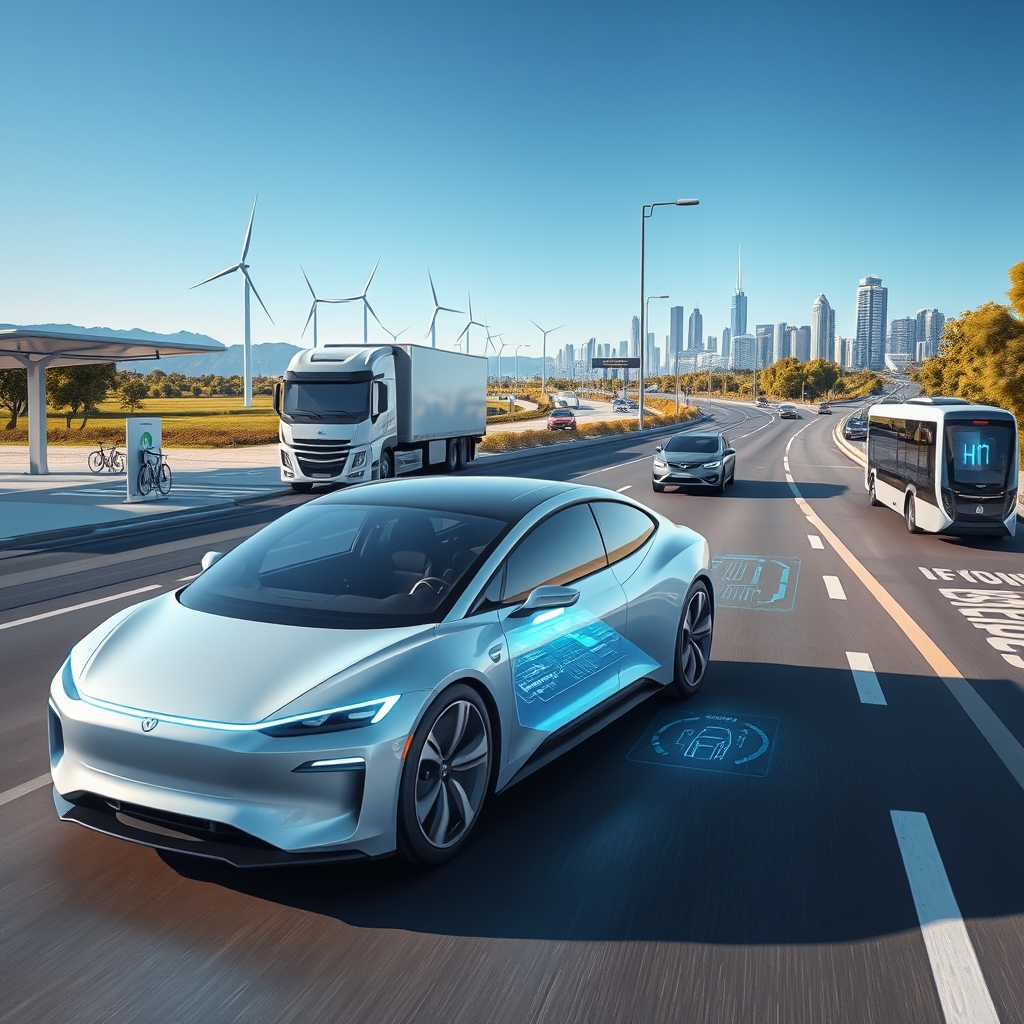
The automotive industry is undergoing a transformative shift, driven by the urgent need to reduce carbon emissions and combat climate change. As governments and consumers alike demand cleaner, more efficient transportation solutions, automakers and researchers are exploring a diverse array of technologies to redefine mobility. From electric vehicles (EVs) to hydrogen fuel cells and beyond, the race toward a sustainable future is accelerating at an unprecedented pace.
The Rise of Electric Vehicles and Solid-State Batteries
Electric vehicles have emerged as the frontrunners in the quest for zero-emission transportation. With advancements in battery technology, EVs are becoming more accessible, offering longer ranges and faster charging times. Traditional lithium-ion batteries, while effective, are gradually being overshadowed by the promise of solid-state batteries. These next-generation power sources replace the liquid or gel electrolyte found in conventional batteries with a solid material, resulting in higher energy density, improved safety, and faster charging capabilities. Companies like Toyota, QuantumScape, and Solid Power are investing heavily in this technology, aiming to bring it to market within the next few years.
However, the widespread adoption of EVs hinges not only on battery advancements but also on the development of a robust smart charging infrastructure. Innovations such as vehicle-to-grid (V2G) technology, which allows EVs to feed energy back into the power grid, are making electric mobility more practical and sustainable. Additionally, wireless charging pads embedded in roads could one day eliminate the need for physical charging stations, further integrating EVs into our daily lives.
Hydrogen Fuel Cells: A Complementary Path to Zero Emissions
While EVs dominate the conversation around sustainable transportation, hydrogen fuel cells offer a compelling alternative, particularly for heavy-duty applications like trucks, buses, and even ships. Unlike battery-electric vehicles, hydrogen fuel cell vehicles (FCEVs) generate electricity on-board by combining hydrogen with oxygen, emitting only water vapor as a byproduct. This technology provides several advantages, including rapid refueling times and longer driving ranges, making it ideal for long-haul transportation.
Despite these benefits, the adoption of hydrogen fuel cells faces significant challenges. The production of eco-friendly hydrogen—particularly green hydrogen, which is generated using renewable energy—remains expensive and energy-intensive. Additionally, the lack of hydrogen refueling infrastructure poses a major hurdle. Nevertheless, countries like Japan, Germany, and South Korea are making substantial investments in hydrogen technology, signaling its potential as a key player in the future of mobility.
Synthetic Fuels and Renewable Diesel: Bridging the Gap
For internal combustion engines (ICEs) that are not yet ready to be phased out, synthetic fuels and renewable diesel present a viable pathway to carbon-neutral mobility. Synthetic fuels, also known as e-fuels, are produced by combining captured carbon dioxide with hydrogen derived from renewable energy sources. When burned, these fuels release only the CO2 that was originally captured, resulting in a net-zero carbon footprint. Companies like Porsche and Siemens are already exploring the production of e-fuels, particularly for use in high-performance and classic vehicles.
Similarly, renewable diesel, made from sustainable feedstocks like vegetable oils and animal fats, offers a drop-in replacement for conventional diesel. Unlike biodiesel, renewable diesel is chemically identical to petroleum-based diesel, making it compatible with existing engines and infrastructure. This makes it an attractive option for fleets and industries that rely on diesel-powered vehicles but seek to reduce their environmental impact.
Hybrid Powertrains and the Evolution of the Internal Combustion Engine
Hybrid powertrains, which combine an internal combustion engine with an electric motor, have long served as a transitional technology between traditional and fully electric vehicles. Systems like regenerative braking and dual-fuel combustion enhance fuel efficiency and reduce emissions, making hybrids a practical choice for consumers who are not yet ready to fully commit to EVs. Advances in turbocharged direct injection (TDI) and exhaust aftertreatment technologies have further improved the environmental performance of ICEs, extending their relevance in the short to medium term.
However, as emissions regulations become stricter, the role of hybrids is evolving. Plug-in hybrid electric vehicles (PHEVs) offer greater electric-only range, reducing reliance on fossil fuels. Meanwhile, mild hybrids, which use a small electric motor to assist the ICE, provide a cost-effective way to improve fuel efficiency without the complexity of a full hybrid system. These innovations ensure that hybrids remain a key part of the automotive landscape as the industry transitions toward a fully electrified future.
Connected Car Technology and Autonomous Driving Systems
Sustainable mobility is not just about reducing emissions—it’s also about improving efficiency and safety through technology. Connected car technology and autonomous driving systems are revolutionizing the way we interact with vehicles. Features like real-time traffic updates, predictive maintenance, and over-the-air software updates enhance the driving experience while reducing unnecessary fuel consumption and emissions. Autonomous vehicles, in particular, have the potential to optimize driving patterns, reduce traffic congestion, and lower accident rates, all of which contribute to a more sustainable transportation ecosystem.
Moreover, battery management systems (BMS) play a crucial role in maximizing the efficiency and lifespan of EV batteries. By monitoring and regulating factors like temperature, voltage, and state of charge, BMS ensures that batteries operate at peak performance while minimizing degradation. As EVs become more prevalent, advancements in BMS will be essential to maintaining their sustainability and cost-effectiveness.
The Road Ahead: A Multifaceted Approach to Sustainable Mobility
The journey toward carbon-neutral mobility is not a one-size-fits-all endeavor. Instead, it requires a multifaceted approach that leverages the strengths of various technologies. Electric vehicles, hydrogen fuel cells, synthetic fuels, and hybrid powertrains each play a unique role in reducing emissions and improving efficiency. Meanwhile, innovations in thermal efficiency, smart charging infrastructure, and connected car technology are making sustainable transportation more accessible and practical than ever before.
As the automotive industry continues to evolve, collaboration between governments, manufacturers, and consumers will be key to accelerating the adoption of these technologies. The choices we make today—whether in the vehicles we drive, the fuels we use, or the infrastructure we build—will shape the future of mobility for generations to come. The road ahead is filled with challenges, but also with immense opportunity to create a cleaner, more sustainable world.