
The Evolution of Fuel Injection Systems: Enhancing Efficiency and Performance
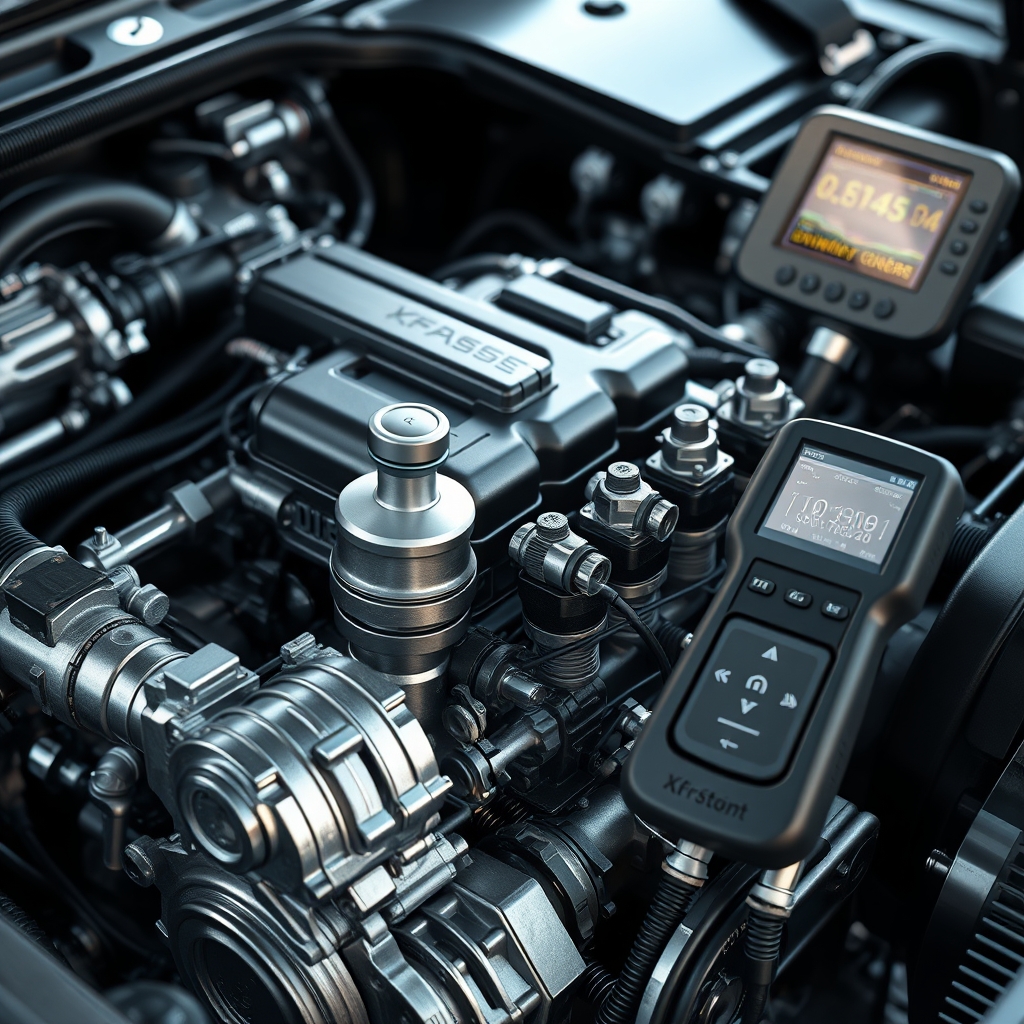
The modern automotive landscape has seen a dramatic shift in how engines manage fuel delivery. Gone are the days of simple carburetors; today’s vehicles rely on sophisticated fuel injection systems to optimize performance, efficiency, and emissions. Among these advancements, technologies like direct fuel injection, common rail diesel, and electronic fuel injection have revolutionized the way engines breathe and perform. Understanding these systems not only helps enthusiasts appreciate automotive engineering but also empowers drivers to make informed decisions about maintenance and upgrades.
The Rise of Electronic Fuel Injection
Electronic Fuel Injection (EFI) marked a significant leap from mechanical fuel delivery systems. Unlike carburetors, which relied on vacuum and airflow to mix fuel and air, EFI systems use sensors and an Engine Control Unit (ECU) to precisely meter fuel into the engine. This transition improved fuel economy, reduced emissions, and enhanced throttle response. Early EFI systems, such as multi-point injection, delivered fuel to each cylinder individually, ensuring a more balanced air-fuel mixture compared to single-point systems. The precision of EFI laid the groundwork for even more advanced fuel delivery methods.
Direct Fuel Injection: Precision at Its Peak
Direct fuel injection takes EFI to the next level by injecting fuel directly into the combustion chamber, rather than the intake port. This method allows for even greater control over the air-fuel ratio, enabling engines to run leaner mixtures under certain conditions. The result? Improved power output, better fuel efficiency, and lower emissions. However, direct injection isn’t without its challenges. Carbon buildup on intake valves can occur over time, as the fuel no longer washes over them to keep them clean. This issue has led to the development of hybrid systems, such as dual-stage injection, which combine port and direct injection to mitigate these drawbacks while maximizing benefits.
The Role of the High Pressure Fuel Pump
At the heart of many advanced fuel injection systems lies the high pressure fuel pump. This component is critical in systems like common rail diesel and direct injection, where fuel must be delivered at pressures exceeding 2,000 psi. The high pressure fuel pump ensures that fuel is atomized finely enough to mix thoroughly with air, promoting efficient combustion. In diesel engines, the common rail system relies on this pump to maintain consistent pressure across all injectors, allowing for multiple injection events per combustion cycle. This not only improves power and efficiency but also reduces noise and vibration, making diesel engines more refined than ever before.
Fuel Pressure Regulators and Delivery Rails
Maintaining the correct fuel pressure is essential for optimal engine performance. The fuel pressure regulator plays a crucial role in this process by ensuring that pressure remains within a specified range, regardless of engine load or speed. In returnless fuel systems, the regulator is often integrated into the fuel pump assembly, eliminating the need for a return line and simplifying the fuel delivery architecture. Meanwhile, the fuel delivery rail acts as a reservoir, distributing fuel evenly to each injector. High-flow fuel rails, in particular, are popular among performance enthusiasts, as they reduce pressure drops during high-demand situations, such as wide-open throttle.
Innovations in Fuel System Diagnostics
As fuel injection systems have grown more complex, so too have the tools needed to diagnose and maintain them. Modern vehicles are equipped with fuel system diagnostics that monitor everything from fuel pressure to injector performance. The fuel level sensor, for example, not only tracks how much fuel is in the tank but can also alert the driver to potential issues, such as a failing pump or clogged filter. Additionally, smart fuel injectors now feature built-in sensors that provide real-time feedback to the ECU, allowing for adaptive fuel delivery based on driving conditions. These advancements make it easier for technicians to pinpoint issues and for drivers to address them before they escalate.
The Shift Toward Returnless and Variable Flow Systems
Traditional fuel systems relied on a return line to send excess fuel back to the tank, but this design had its drawbacks, including increased fuel vapor emissions and potential heat buildup. Returnless fuel systems eliminate the return line by using a pressure regulator at the tank, reducing complexity and improving efficiency. Similarly, variable flow fuel pumps adjust their output based on engine demand, rather than running at full capacity all the time. This not only saves energy but also extends the life of the pump. These innovations reflect the automotive industry’s commitment to sustainability and efficiency, without sacrificing performance.
Addressing Emissions with the Fuel Evaporative System
Fuel systems don’t just deliver fuel to the engine; they also play a role in managing emissions. The fuel evaporative system captures fuel vapors from the tank and prevents them from escaping into the atmosphere. A key component of this system is the vapor canister purge, which stores fuel vapors until the engine is running and can safely burn them. This system is particularly important in modern vehicles, where stringent emissions regulations demand near-zero evaporative emissions. By integrating the evaporative system with the fuel injection architecture, manufacturers can ensure compliance with environmental standards while maintaining engine performance.
The journey of fuel injection systems from simple mechanical devices to today’s electronically controlled marvels is a testament to the relentless pursuit of efficiency and performance. Whether it’s the precision of direct injection, the power of common rail diesel, or the adaptability of variable flow pumps, each innovation builds on the last to create engines that are cleaner, more powerful, and more reliable. As technology continues to evolve, one thing is certain: the future of fuel delivery will be as dynamic and exciting as the vehicles it powers, shaping the way we drive for generations to come.