
Green Hydrogen Storage and Fuel Cell Electric Vehicles: The Path to Zero-Emission Transportation
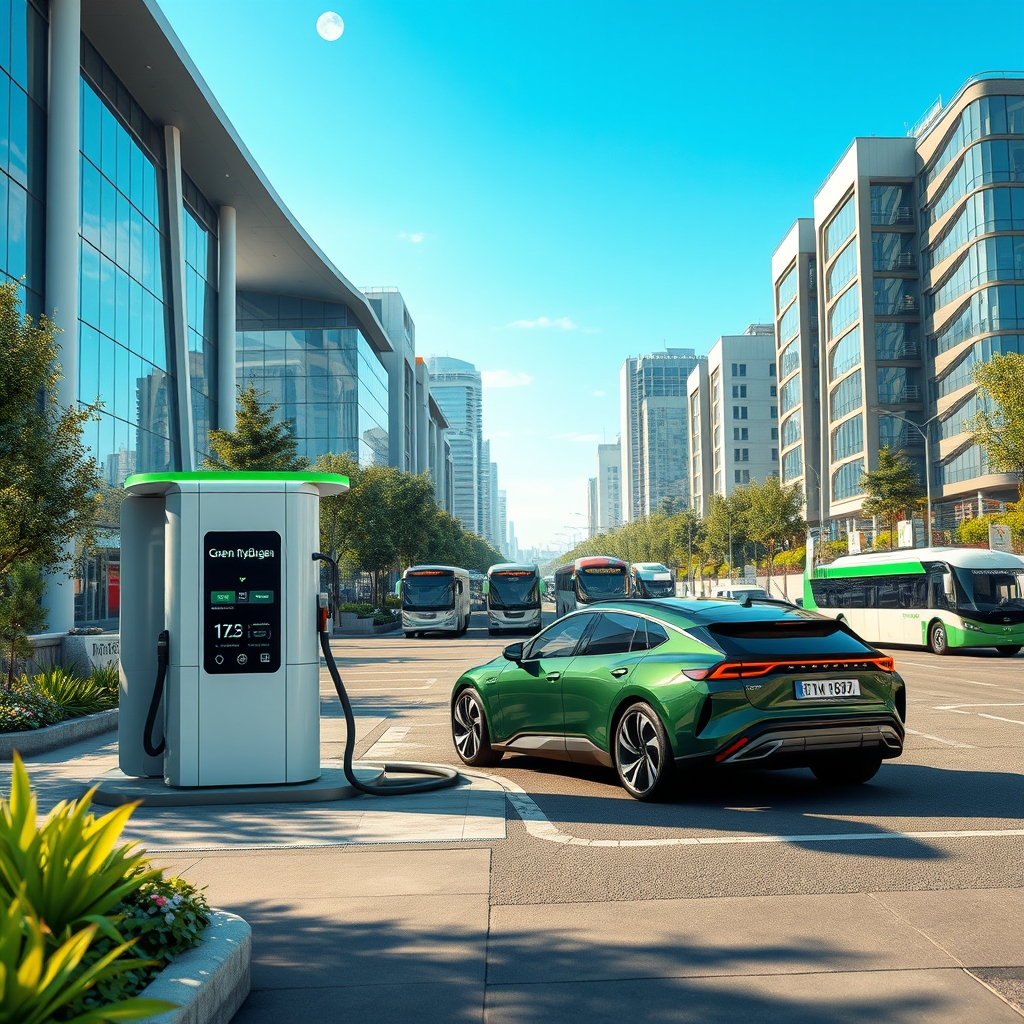
The transportation sector stands at a critical crossroads, with the urgent need to reduce greenhouse gas emissions driving innovation in alternative fuels and propulsion systems. Among the most promising solutions are green hydrogen storage and fuel cell electric vehicles (FCEVs), which offer a compelling pathway to zero-emission mobility without the limitations of battery-electric technology. As governments and industries worldwide commit to decarbonization, understanding the role of hydrogen in sustainable transportation becomes essential.
The Science Behind Green Hydrogen Storage
Green hydrogen is produced through electrolysis, a process that splits water into hydrogen and oxygen using renewable electricity from sources like wind, solar, or hydropower. Unlike gray or blue hydrogen, which rely on fossil fuels, green hydrogen generates no carbon emissions during production, making it a cornerstone of carbon-neutral energy systems. However, its widespread adoption hinges on efficient and safe storage solutions.
Hydrogen’s low energy density by volume presents a challenge, requiring advanced storage methods to make it viable for transportation. Current approaches include high-pressure gas storage (typically at 350–700 bar), cryogenic liquid storage (at -253°C), and solid-state storage using metal hydrides or chemical carriers. Each method has trade-offs in terms of weight, cost, and infrastructure requirements. For instance, high-pressure tanks are lightweight but demand robust materials to prevent leaks, while liquid hydrogen offers higher energy density but requires energy-intensive cooling systems.
Fuel Cell Electric Vehicles: How They Work
Fuel cell electric vehicles leverage hydrogen to generate electricity on board, powering an electric motor while emitting only water vapor. The heart of an FCEV is the proton exchange membrane (PEM) fuel cell, where hydrogen molecules are split into protons and electrons. The protons pass through a membrane, while the electrons create an electric current that powers the vehicle. This process is highly efficient, with fuel cells converting up to 60% of hydrogen’s energy into usable power—far exceeding the efficiency of internal combustion engines.
One of the key advantages of FCEVs is their refueling speed and range. Unlike battery-electric vehicles (BEVs), which can take hours to recharge, FCEVs can be refueled in minutes, making them ideal for long-haul trucking, public transit, and other applications where downtime is costly. Additionally, FCEVs offer a driving range of 300–400 miles on a single tank, addressing range anxiety without the weight and cost penalties of large battery packs.
Infrastructure Challenges and Opportunities
The transition to hydrogen-powered transportation faces significant infrastructure hurdles. Building a network of hydrogen refueling stations is capital-intensive, requiring coordination between governments, energy providers, and automakers. Countries like Japan, Germany, and South Korea have taken the lead, with ambitious plans to expand their hydrogen refueling networks. For example, Japan aims to have 900 stations operational by 2030, supporting its goal of 800,000 FCEVs on the road by the same year.
Another challenge is the cost of green hydrogen production. While prices have fallen in recent years, they remain higher than those of fossil-based hydrogen. Scaling up electrolysis capacity and improving renewable energy generation will be critical to driving costs down. Innovations in alkaline and solid oxide electrolysis cells, as well as the use of excess renewable energy for hydrogen production, could further enhance economic viability.
Comparing Hydrogen to Other Sustainable Fuels
Hydrogen is not the only player in the sustainable mobility space. Bioethanol blends, renewable diesel, and synthetic e-fuels are also gaining traction, each with unique advantages and limitations. Bioethanol, for instance, is widely used in flex-fuel vehicles and can reduce emissions by up to 50% compared to gasoline. However, its production relies on agricultural feedstocks, raising concerns about land use and food security.
Synthetic e-fuels, or electrofuels, are produced by combining green hydrogen with captured carbon dioxide, creating a carbon-neutral liquid fuel compatible with existing internal combustion engines. While e-fuels offer a drop-in solution for legacy vehicles, their production is energy-intensive, and their overall efficiency is lower than that of direct hydrogen use in fuel cells. Renewable diesel, derived from waste fats and oils, is another promising option, offering compatibility with diesel engines and significant emissions reductions.
The Role of Policy and Industry Collaboration
Government policies play a pivotal role in accelerating the adoption of hydrogen and FCEVs. Incentives such as tax credits, subsidies for refueling infrastructure, and zero-emission vehicle mandates can create a favorable environment for investment. The European Union’s Hydrogen Strategy, for example, aims to install 40 GW of renewable hydrogen electrolyzers by 2030, while the U.S. Inflation Reduction Act provides significant funding for clean hydrogen production and fuel cell technology.
Industry collaboration is equally important. Automakers like Toyota, Hyundai, and Honda have invested heavily in FCEV development, with models like the Toyota Mirai and Hyundai Nexo already on the market. Meanwhile, energy companies are exploring large-scale green hydrogen projects, such as the NEOM Green Hydrogen Project in Saudi Arabia, which aims to produce 650 tons of green hydrogen per day by 2026.
Future Innovations and the Road Ahead
The future of hydrogen-powered transportation will be shaped by advancements in storage, production, and fuel cell technology. Researchers are exploring novel materials for hydrogen storage, such as metal-organic frameworks (MOFs) and carbon nanotubes, which could offer higher energy densities and lower costs. In fuel cell technology, efforts are focused on improving durability, reducing platinum catalyst usage, and developing high-temperature PEM fuel cells that can operate more efficiently in extreme conditions.
Another exciting frontier is the integration of hydrogen with other sustainable fuels. For example, ammonia, which can be easily transported and stored, can be cracked back into hydrogen for use in fuel cells. Similarly, e-methanol, produced from green hydrogen and captured CO₂, can serve as a liquid hydrogen carrier, simplifying logistics and infrastructure requirements.
As the world races toward a carbon-neutral future, green hydrogen and fuel cell electric vehicles represent a transformative opportunity. While challenges remain, the rapid pace of innovation and growing global commitment to sustainability suggest that hydrogen will play a central role in the next chapter of transportation. The journey is just beginning, but the destination—a cleaner, more resilient energy system—is within reach, offering a glimpse of a world where mobility no longer comes at the expense of the planet.