
Solid State Batteries and the Future of Electric Mobility: A Leap Toward Zero Emission Vehicles
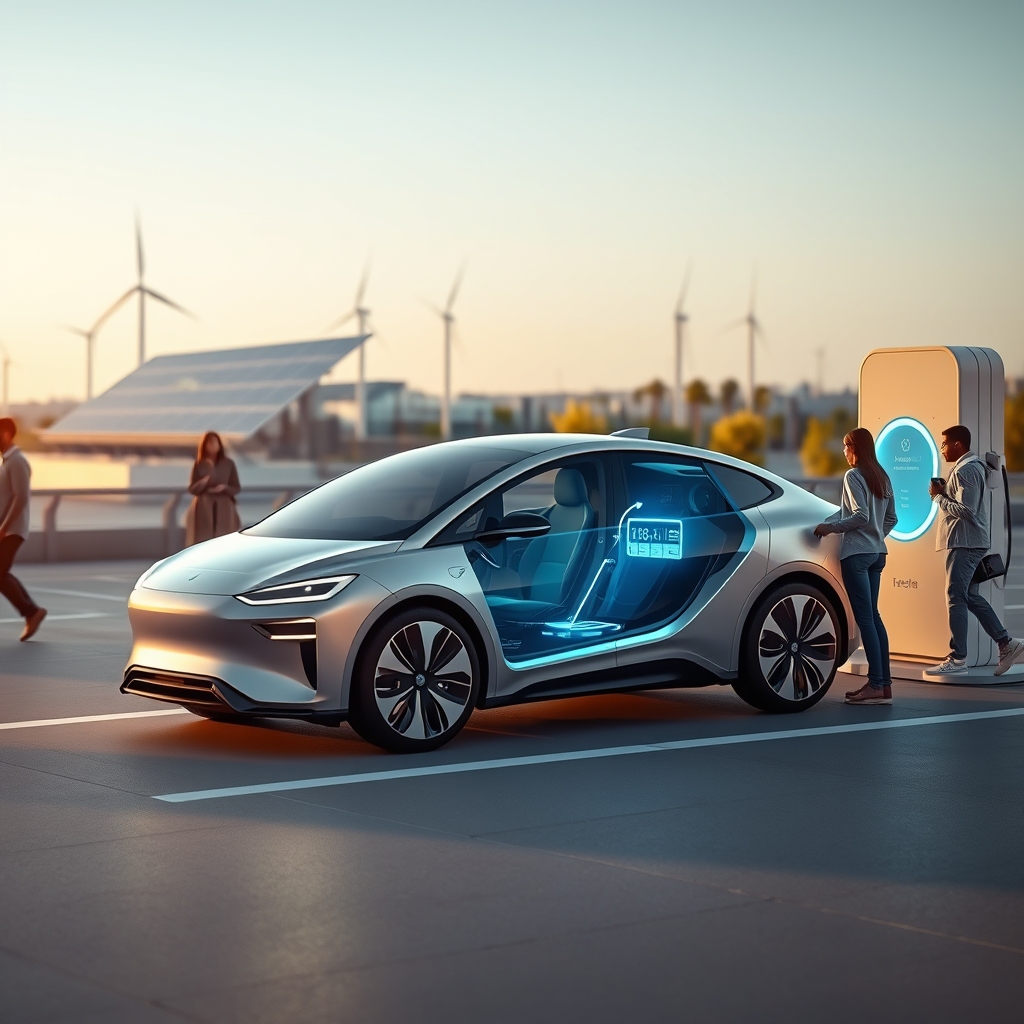
The automotive industry is undergoing a seismic shift, driven by the urgent need for sustainable transportation and the relentless pursuit of zero emission vehicles. While lithium-ion batteries have been the backbone of electric mobility, their limitations—range anxiety, charging times, and safety concerns—have spurred innovation. Enter solid-state batteries, a technology poised to revolutionize electric vehicles (EVs) and accelerate the transition to carbon-neutral mobility.
The Science Behind Solid State Batteries
Unlike conventional lithium-ion batteries, which use liquid or gel electrolytes, solid-state batteries employ a solid electrolyte. This fundamental difference addresses several critical challenges. The solid electrolyte is non-flammable, significantly reducing the risk of thermal runaway—a major safety concern in liquid electrolyte batteries. Additionally, solid-state batteries can achieve higher energy densities, potentially doubling the range of current EVs without increasing battery size or weight.
Researchers are exploring various materials for solid electrolytes, including ceramics, polymers, and sulfides. Each has its advantages and trade-offs. Ceramic electrolytes, for instance, offer excellent thermal stability and ionic conductivity but can be brittle. Polymer electrolytes, on the other hand, are more flexible and easier to manufacture but may struggle with ionic conductivity at lower temperatures. The race is on to find the optimal material that balances performance, safety, and scalability.
Performance and Efficiency: A Game Changer for EVs
One of the most compelling advantages of solid-state batteries is their potential to drastically improve the performance and efficiency of electric vehicles. With higher energy density, EVs could achieve ranges exceeding 600 miles on a single charge, effectively eliminating range anxiety. Moreover, solid-state batteries can support faster charging times, reducing the time required to recharge to mere minutes rather than hours.
Thermal efficiency is another area where solid-state batteries shine. Traditional lithium-ion batteries require complex battery management systems to regulate temperature and prevent overheating. Solid-state batteries, with their inherent thermal stability, simplify these systems, reducing weight and improving overall vehicle efficiency. This efficiency gain translates into better performance, longer battery life, and lower operational costs for consumers.
Sustainability and the Path to Carbon Neutral Mobility
The environmental benefits of solid-state batteries extend beyond zero tailpipe emissions. The materials used in these batteries, such as lithium, cobalt, and nickel, are often mined under environmentally and socially questionable conditions. However, solid-state technology could reduce the reliance on these materials. For example, some solid-state designs eliminate the need for cobalt entirely, addressing both ethical and environmental concerns.
Furthermore, the longer lifespan of solid-state batteries means fewer batteries will need to be produced and recycled over time. This reduction in manufacturing demand aligns with the broader goals of sustainable transportation, minimizing the carbon footprint of EV production and disposal. When paired with smart charging infrastructure and renewable energy sources, solid-state batteries could play a pivotal role in achieving true carbon-neutral mobility.
Challenges and the Road Ahead
Despite their promise, solid-state batteries are not without challenges. Manufacturing at scale remains a significant hurdle. The production processes for solid electrolytes are complex and costly, making it difficult to compete with the well-established lithium-ion battery industry. However, companies like Toyota, QuantumScape, and Solid Power are investing heavily in research and development, aiming to bring solid-state batteries to market within the next decade.
Another challenge is durability. Solid-state batteries must withstand thousands of charge-discharge cycles without significant degradation. Early prototypes have shown promise, but long-term reliability testing is still underway. Additionally, the integration of solid-state batteries into existing EV architectures may require redesigns, adding another layer of complexity to their adoption.
The Role of Connected Car Technology and Autonomous Driving Systems
As solid-state batteries pave the way for longer ranges and faster charging, they will also enable advancements in connected car technology and autonomous driving systems. EVs equipped with solid-state batteries could support more power-intensive features, such as advanced driver-assistance systems (ADAS) and vehicle-to-everything (V2X) communication, without compromising range or performance.
For autonomous vehicles, the reliability and safety of solid-state batteries are particularly appealing. Self-driving cars require robust power sources to support their sensors, computing systems, and continuous operation. Solid-state batteries, with their enhanced safety and longevity, could become the preferred choice for autonomous fleets, further accelerating the adoption of zero-emission vehicles.
Beyond Electric Vehicles: Broader Applications
The impact of solid-state batteries extends beyond passenger vehicles. Electric trucks, buses, and even aircraft could benefit from this technology. For instance, electric aviation—a sector still in its infancy—could see a breakthrough with solid-state batteries, enabling longer flight ranges and safer operations. Similarly, electric trucks, which require high energy densities to cover long distances, could become more viable with solid-state technology.
In the realm of renewable energy, solid-state batteries could enhance grid storage solutions. Their higher energy density and safety profile make them ideal for storing energy from intermittent sources like solar and wind, contributing to a more resilient and sustainable energy infrastructure.
The journey toward widespread adoption of solid-state batteries is still in its early stages, but the potential is undeniable. As researchers overcome technical challenges and manufacturers scale up production, these batteries could redefine the future of mobility. They represent not just an evolution in battery technology but a critical step toward a world where transportation is cleaner, safer, and more efficient. The road ahead is paved with innovation, and solid-state batteries are leading the charge, driving us closer to a future where zero-emission vehicles are the norm rather than the exception.