
Optimizing Engine Performance: The Critical Role of Advanced Fuel Delivery Systems
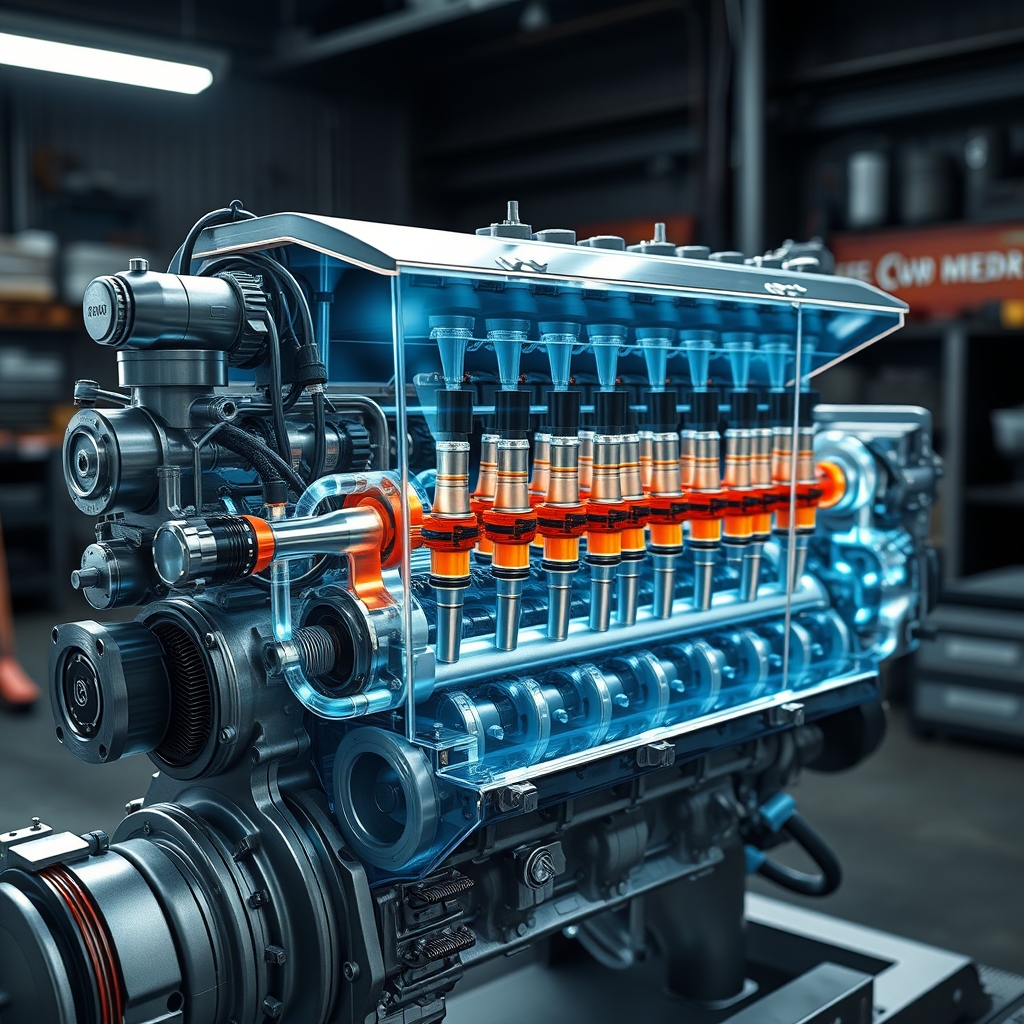
Modern engines rely on precision-engineered fuel delivery systems to achieve optimal performance, efficiency, and emissions compliance. While many drivers focus on horsepower or turbocharging, the unsung components beneath the hood—such as direct fuel injection, high-pressure fuel pumps, and fuel rail pressure sensors—play an equally vital role in ensuring smooth operation. Understanding these systems can help vehicle owners make informed decisions about maintenance, upgrades, and troubleshooting.
The Shift from Carburetors to Electronic Fuel Injection
Decades ago, carburetors dominated the automotive landscape, mixing air and fuel mechanically before delivering it to the engine. However, their limitations in precision and adaptability led to the widespread adoption of electronic fuel injection (EFI). EFI systems use sensors and computer-controlled injectors to deliver the exact amount of fuel needed for any driving condition, improving fuel economy and reducing harmful emissions. This transition marked a turning point in automotive engineering, paving the way for even more advanced fuel delivery technologies.
Direct Fuel Injection: Precision at High Pressures
Direct fuel injection (DFI) represents the next evolution in fuel delivery, where fuel is sprayed directly into the combustion chamber rather than the intake manifold. This method allows for better control over the air-fuel mixture, leading to improved power output and efficiency. However, DFI systems operate at significantly higher pressures—often exceeding 2,000 psi—requiring robust components like high-pressure fuel pumps and reinforced fuel rails. The trade-off for this performance gain is increased complexity, as carbon buildup on intake valves and injectors can become a maintenance concern over time.
Sequential Port Injection: A Balanced Approach
Sequential port injection (SPI) strikes a balance between traditional multi-point fuel injection (MPFI) and direct injection. In SPI systems, fuel is injected into each cylinder’s intake port just before the intake valve opens, ensuring a precise and timed delivery. This method reduces the risk of carbon deposits while still offering better efficiency than older MPFI setups. Many modern engines combine SPI with direct injection in a dual-injection system, leveraging the strengths of both technologies to optimize performance across different driving conditions.
The Backbone of Fuel Delivery: Key Components
Several critical components work in harmony to ensure fuel reaches the engine efficiently and reliably. The high-pressure fuel pump, for instance, is the heart of direct injection systems, pressurizing fuel to levels far beyond what traditional pumps can handle. Meanwhile, the fuel rail pressure sensor monitors this pressure, providing real-time data to the engine control unit (ECU) to maintain optimal performance. A malfunctioning sensor can lead to poor throttle response, misfires, or even engine damage if left unchecked.
Fuel Injector Cleaners: Maintenance or Myth?
Fuel injector cleaners are often marketed as a quick fix for rough idling, poor acceleration, or decreased fuel economy. While some products can help dissolve minor deposits, they are not a cure-all for severely clogged injectors. Regular use of high-quality fuel and periodic professional cleaning are more effective strategies for maintaining injector health. For direct injection engines, walnut blasting—a process where crushed walnut shells are used to clean carbon deposits—has become a popular service among performance enthusiasts.
Fuel Pressure Regulators and Returnless Systems
In older fuel systems, excess fuel was returned to the tank via a return line, regulated by a mechanical fuel pressure regulator. Modern returnless fuel systems eliminate this loop, using electronic controls to maintain consistent pressure without the need for a return line. This design reduces fuel vapor emissions and simplifies the fuel delivery process. However, it also places greater reliance on the fuel pump and pressure sensor, making their proper function even more critical.
Diesel and Flex Fuel: Specialized Fuel Delivery Needs
Diesel engines, particularly those with common rail injection, operate at even higher pressures—sometimes exceeding 30,000 psi—to achieve efficient combustion. These systems require ultra-precise injectors and robust fuel pumps to handle the demands of compression ignition. On the other hand, flex-fuel vehicles, which can run on gasoline or ethanol blends, rely on specialized sensors to detect the fuel composition and adjust the air-fuel ratio accordingly. This adaptability ensures optimal performance regardless of the fuel type, but it also introduces additional complexity to the fuel delivery system.
Fuel Filters and Swirl Pots: Often Overlooked but Essential
The fuel filter is one of the most underappreciated components in a vehicle’s fuel system. Its role in trapping contaminants before they reach the injectors or fuel pump cannot be overstated. A clogged filter can restrict fuel flow, leading to poor engine performance or even pump failure. Similarly, fuel swirl pots—common in high-performance or motorsport applications—help separate air bubbles from fuel, ensuring a steady supply of liquid fuel to the pump, especially during aggressive driving or cornering.
Dual-Stage Fuel Pumps and Fuel Tank Vent Valves
Modern vehicles often employ dual-stage fuel pumps, which use a low-pressure stage to draw fuel from the tank and a high-pressure stage to deliver it to the engine. This design improves efficiency and reduces the load on the pump. Meanwhile, the fuel tank vent valve, part of the evaporative emissions system, prevents pressure buildup in the tank while allowing fresh air to enter as fuel is consumed. A faulty vent valve can lead to fuel sloshing, poor fuel economy, or even a collapsed tank in extreme cases.
As engines continue to evolve, so too do the systems that feed them. Whether it’s the precision of direct injection, the adaptability of flex-fuel sensors, or the reliability of high-pressure pumps, each component plays a role in delivering the power and efficiency drivers expect. Regular maintenance, from fuel filter replacements to injector cleanings, ensures these systems operate at their best, extending the life of the engine and keeping performance at its peak. The next time you turn the key, remember that the real magic happens long before the fuel ignites—it starts with the intricate dance of components working in perfect harmony to keep your engine running smoothly.