
Green Hydrogen Refueling: The Next Big Thing in Clean Energy for Vehicles
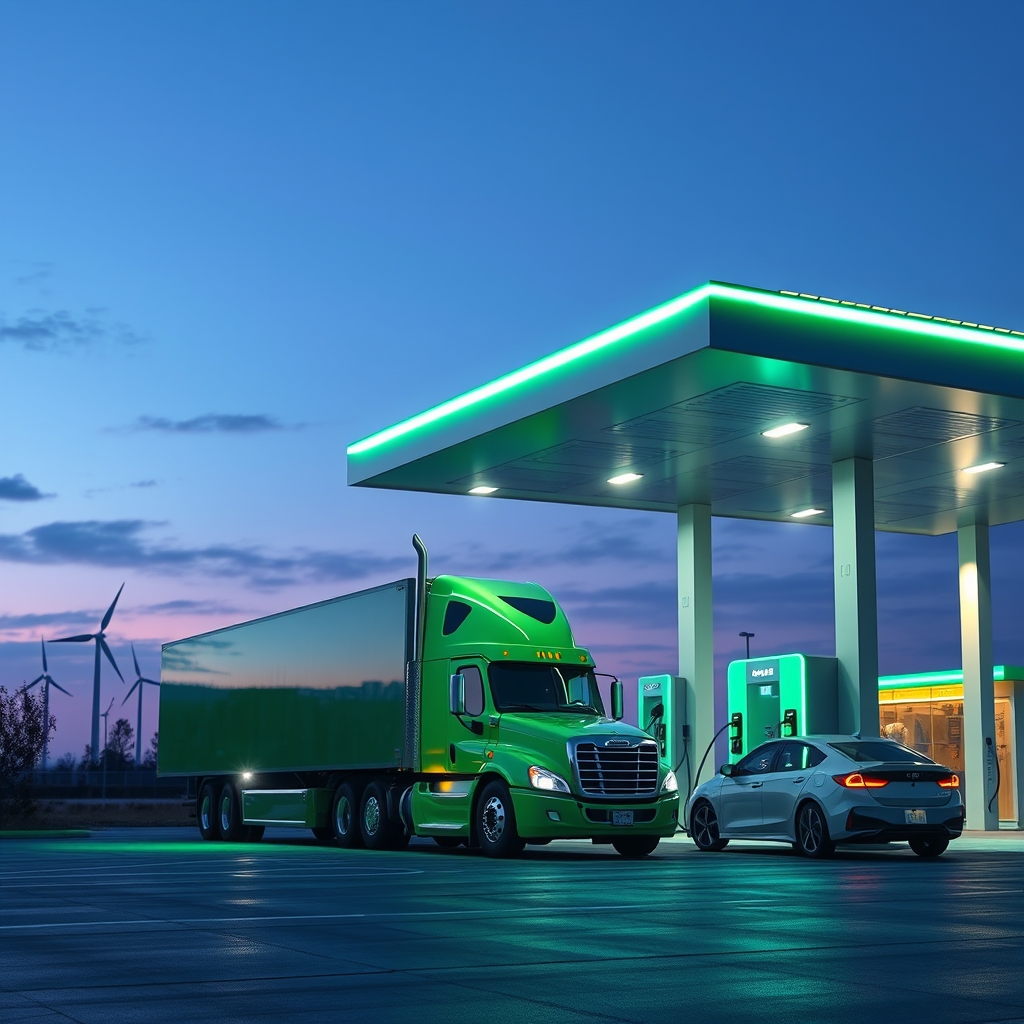
The global shift toward sustainable transportation is accelerating, and green hydrogen refueling stations are emerging as a pivotal innovation in this transition. Unlike conventional fossil fuels or even battery-electric vehicles, green hydrogen offers a zero-emission solution that combines the efficiency of electric powertrains with the convenience of rapid refueling. As governments and industries race to decarbonize, these stations could redefine how we power trucks, buses, ships, and even passenger cars.
The Science Behind Green Hydrogen
Green hydrogen is produced through electrolysis, a process that splits water into hydrogen and oxygen using renewable electricity—such as wind, solar, or hydropower. Unlike gray or blue hydrogen, which rely on natural gas and carbon capture, green hydrogen emits no greenhouse gases during production or combustion. When used in fuel cells, hydrogen combines with oxygen to generate electricity, with water vapor as the only byproduct. This makes it an ideal candidate for sectors where battery-electric solutions fall short, such as long-haul trucking, maritime shipping, and aviation.
How Green Hydrogen Refueling Stations Work
A green hydrogen refueling station operates similarly to a traditional gas station but with a few key differences. The process begins with hydrogen storage, where the gas is kept in high-pressure tanks or cryogenic liquid form. When a vehicle arrives, the hydrogen is dispensed through a nozzle at pressures up to 700 bar (10,000 psi) for passenger cars or 350 bar for larger vehicles. The entire refueling process takes about 3-5 minutes—comparable to filling a tank with gasoline—making it far more efficient than waiting for a battery to recharge.
Key Components of a Hydrogen Refueling Station
- Electrolyzer: Converts renewable electricity into hydrogen.
- Compressor: Increases hydrogen pressure for storage and dispensing.
- Storage Tanks: Hold hydrogen at high pressures or cryogenic temperatures.
- Dispenser: Delivers hydrogen to vehicles via a secure nozzle connection.
- Cooling System: Prevents overheating during high-pressure refueling.
Benefits of Green Hydrogen Refueling
The advantages of green hydrogen extend beyond zero emissions. For one, hydrogen fuel cell vehicles (FCEVs) offer a longer range than most battery-electric vehicles (BEVs), making them ideal for heavy-duty applications. A single refueling can provide up to 400-500 miles for trucks, compared to the 200-300 miles typical of electric semis. Additionally, hydrogen refueling infrastructure can be scaled more flexibly than electric charging networks, as stations can be built in remote locations without overburdening the grid.
Another critical benefit is energy density. Hydrogen contains roughly three times more energy per unit of mass than gasoline, making it a superior fuel for industries where weight and space are constraints. This is particularly valuable for aviation and shipping, where every kilogram saved translates to greater efficiency and reduced operational costs.
Environmental and Economic Impact
Green hydrogen has the potential to drastically reduce carbon emissions in hard-to-decarbonize sectors. According to the International Energy Agency (IEA), hydrogen could account for up to 10% of global energy consumption by 2050, with transportation being a major driver. Beyond environmental benefits, the growth of hydrogen refueling stations could create thousands of jobs in manufacturing, construction, and maintenance, while also reducing dependence on imported fossil fuels.
Challenges and Roadblocks
Despite its promise, green hydrogen refueling faces several hurdles. The most significant is cost. Producing green hydrogen is currently 2-3 times more expensive than gray hydrogen, though prices are expected to drop as electrolyzer technology improves and renewable energy becomes cheaper. Additionally, building refueling infrastructure requires substantial upfront investment, with a single station costing between $1-2 million.
Another challenge is storage and transportation. Hydrogen is highly flammable and requires specialized materials to prevent leaks and embrittlement in pipelines. While advancements in composite materials and cryogenic storage are addressing these issues, widespread adoption will depend on overcoming logistical and safety concerns.
Regulatory and Market Barriers
Government policies play a crucial role in the adoption of green hydrogen. Subsidies, tax incentives, and carbon pricing can make hydrogen more competitive with fossil fuels. However, inconsistent regulations across regions create uncertainty for investors. For example, the European Union has set ambitious targets for hydrogen deployment, while other countries lag behind in policy support. Without global alignment, the growth of hydrogen refueling networks may remain uneven.
The Future of Green Hydrogen Refueling
Several countries and companies are already making significant strides in hydrogen infrastructure. Japan, a pioneer in fuel cell technology, aims to have 900 hydrogen refueling stations by 2030. In Europe, Germany plans to build 400 stations by the same year, while the U.S. is investing billions in hydrogen hubs under the Inflation Reduction Act. Meanwhile, automakers like Toyota, Hyundai, and Nikola are expanding their FCEV offerings, signaling growing confidence in hydrogen’s role in clean transportation.
As technology advances and economies of scale kick in, green hydrogen refueling stations could become as common as gas stations today. The key to success lies in collaboration between governments, energy providers, and vehicle manufacturers to create a seamless ecosystem. While challenges remain, the potential for hydrogen to revolutionize transportation is undeniable. The question is no longer whether green hydrogen will play a role in our energy future, but how quickly we can scale it to meet the demands of a decarbonized world.
The road ahead is paved with innovation, and every refueling station built brings us closer to a future where vehicles emit nothing but water. The shift is already underway, and those who embrace it early will lead the charge toward a cleaner, more sustainable transportation system.