
The Hidden Heroes of Your Engine: Understanding Modern Fuel Injection Components
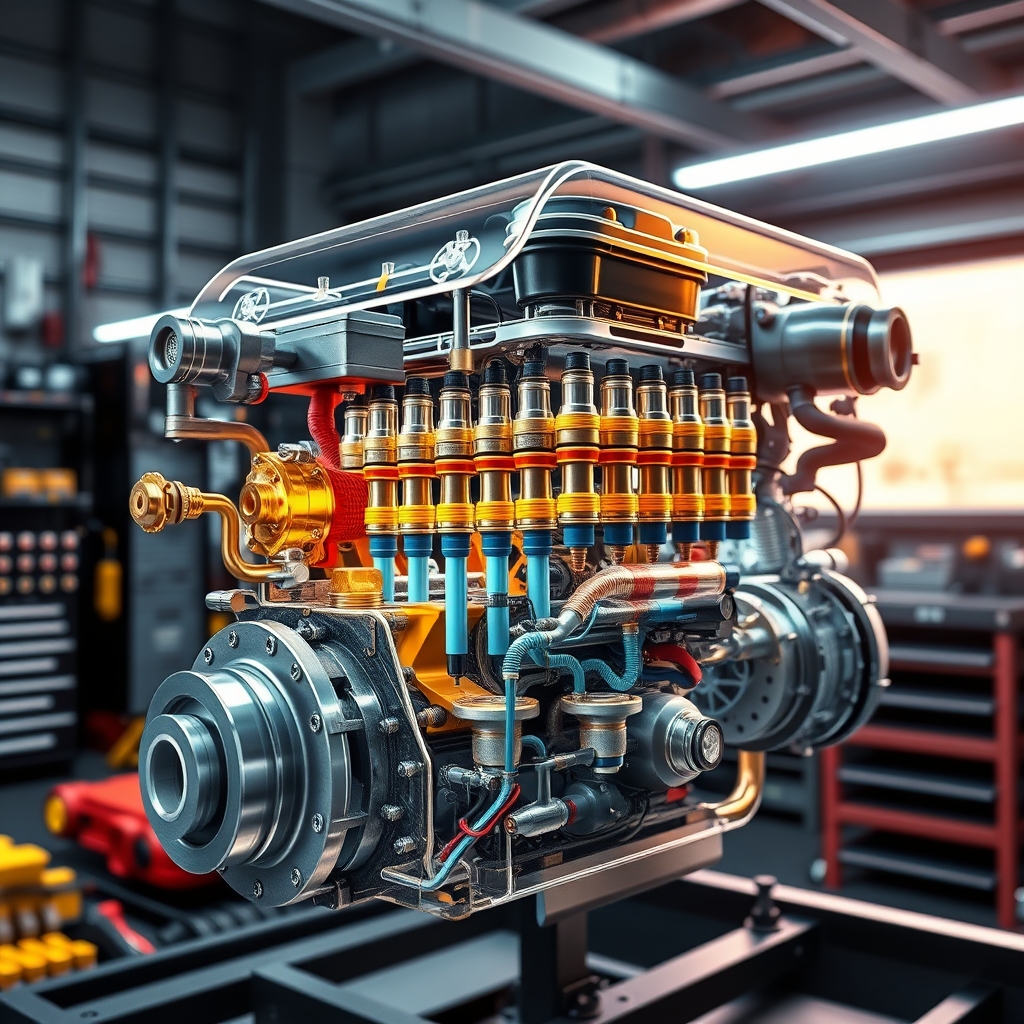
Modern engines are marvels of engineering, designed to deliver power, efficiency, and reliability. At the heart of this performance lies a complex network of fuel injection components, each playing a critical role in ensuring your vehicle runs smoothly. While many drivers are familiar with the basics of fuel injection, few understand the intricate details of the systems that keep their engines humming. Today, we’ll explore some of the unsung heroes of your engine’s fuel delivery system, shedding light on how they work and why they matter.
The Backbone: Direct Fuel Injection and High-Pressure Systems
Direct fuel injection (DFI) has revolutionized engine performance by delivering fuel directly into the combustion chamber, rather than the intake manifold. This precision allows for better fuel atomization, improved combustion efficiency, and reduced emissions. At the core of this system is the high-pressure fuel pump, which pressurizes fuel to levels as high as 2,000 psi or more. Without this pump, the fuel injectors wouldn’t be able to spray fuel in the fine mist required for optimal combustion.
But what happens when these high-pressure systems falter? Symptoms like rough idling, poor acceleration, or even engine misfires can signal issues with the fuel pump or injectors. Regular maintenance, including the use of a fuel injector cleaner, can help prevent carbon buildup and keep these components functioning at their best. However, when problems persist, it may be time to inspect the fuel rail pressure sensor, which monitors pressure levels and ensures the system is operating within specifications.
The Role of the Fuel Pressure Regulator
While the high-pressure fuel pump does the heavy lifting, the fuel pressure regulator acts as the system’s traffic cop. Its job is to maintain consistent fuel pressure, regardless of engine load or demand. In older return-style fuel systems, the regulator would divert excess fuel back to the tank, but modern returnless fuel systems rely on electronic controls to manage pressure more efficiently. This not only reduces fuel waste but also minimizes emissions by preventing unburned fuel from circulating back into the system.
When a fuel pressure regulator fails, it can lead to a host of issues, from poor fuel economy to engine stalling. Diagnosing regulator problems often involves checking for fuel leaks, inconsistent pressure readings, or even fuel in the vacuum line—a telltale sign that the diaphragm inside the regulator has ruptured.
From Tank to Engine: The Journey of Fuel
Before fuel ever reaches the injectors, it must travel from the tank to the engine, a journey managed by the fuel delivery module. This assembly, typically located inside the fuel tank, includes components like the fuel pump, fuel level sending unit, and often a fuel filter. In vehicles equipped with dual-stage fuel pumps, the system can adjust fuel flow based on demand, providing additional pressure during acceleration or high-load conditions.
One often-overlooked component in this journey is the fuel tank vent valve. This valve allows air to enter the tank as fuel is consumed, preventing a vacuum from forming that could impede fuel flow. When the vent valve malfunctions, drivers might notice symptoms like fuel sloshing noises, difficulty refueling, or even a check engine light. Similarly, the carbon canister purge valve plays a role in emissions control by managing the flow of fuel vapors from the charcoal canister to the engine for combustion.
Specialized Systems: Common Rail Diesel and Flex Fuel
While gasoline engines rely on a variety of fuel injection systems, diesel engines take precision to another level with common rail diesel injection. This system uses a single high-pressure rail to supply fuel to all injectors, allowing for multiple injection events per combustion cycle. The result is smoother power delivery, reduced noise, and lower emissions. However, common rail systems are highly sensitive to fuel quality, making regular fuel filter replacement a must to prevent damage to the injectors or high-pressure pump.
For drivers of flex-fuel vehicles, the system must adapt to varying ethanol blends, which is where flex fuel sensors come into play. These sensors detect the ethanol content in the fuel and adjust the engine’s fuel delivery and timing accordingly. Without this adaptation, the engine could run too lean or too rich, leading to poor performance or even damage.
Evolution and Innovation in Fuel Injection
Fuel injection technology has come a long way from the early days of throttle body injection (TBI) and sequential port injection (SPI). Today, systems like multi-point fuel injection (MPFI) and high-flow fuel rails allow for even greater precision and performance. Some high-performance vehicles even incorporate fuel swirl pots, which ensure a steady supply of fuel to the pump, even during aggressive driving or cornering.
Despite these advancements, the fundamental goal remains the same: delivering the right amount of fuel at the right time for optimal combustion. Whether your vehicle relies on a simple port injection system or a cutting-edge common rail setup, each component plays a vital role in keeping your engine running smoothly. Regular maintenance, from using fuel injector cleaners to replacing filters, can extend the life of these components and ensure your vehicle performs at its best.
Next time you turn the key and your engine roars to life, take a moment to appreciate the intricate dance of fuel injection components working behind the scenes. These hidden heroes may not be as glamorous as turbochargers or performance exhausts, but they are the unsung foundation of modern engine performance, quietly ensuring every drive is as efficient and powerful as possible.