Smart Forecourt Dining: How AI and IoT Are Revolutionizing Fuel Station Cafes
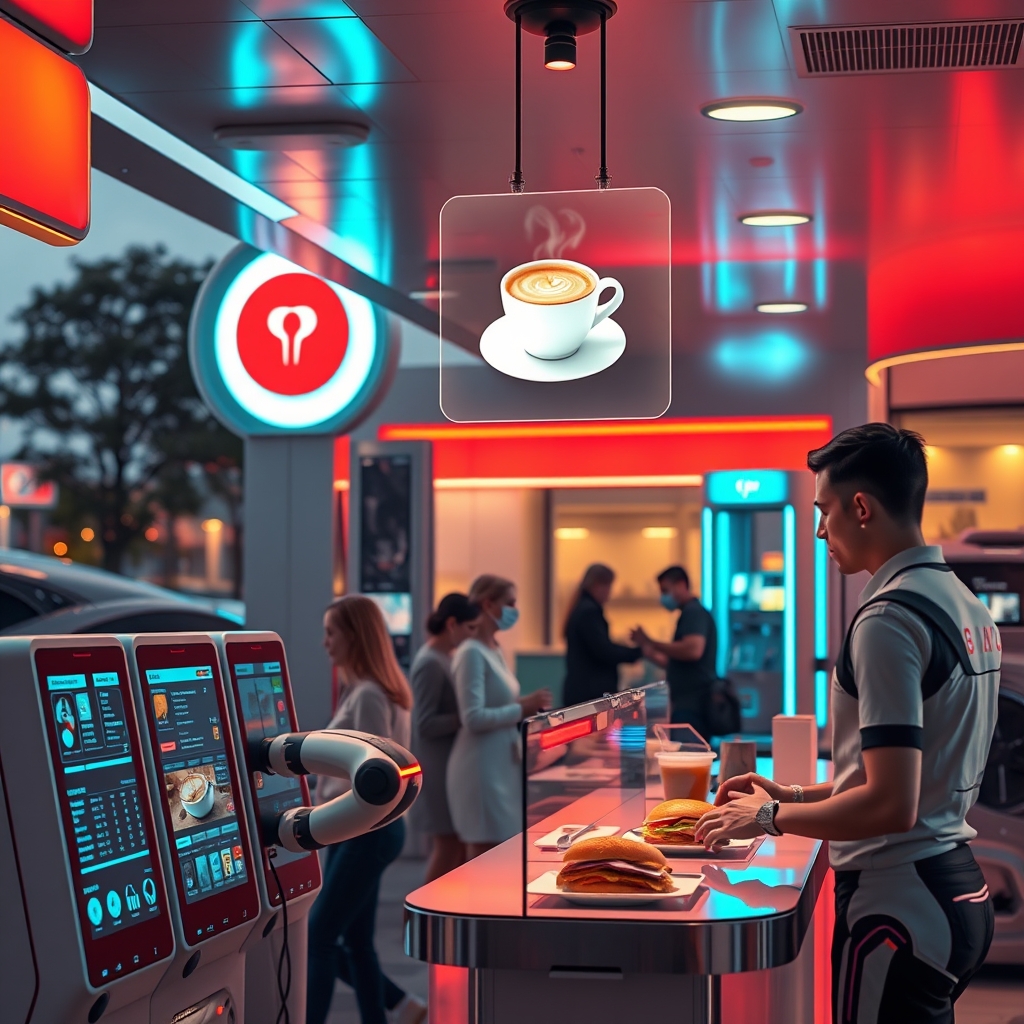
The humble fuel station café has long been a pitstop for weary travelers, a quick refuel for both vehicle and driver. But in an era where technology is reshaping every facet of our lives, these roadside eateries are undergoing a quiet revolution. Artificial Intelligence (AI) and the Internet of Things (IoT) are transforming fuel station cafes into smart, efficient, and highly personalized dining experiences. From automated ordering systems to predictive analytics that anticipate customer needs, the future of forecourt dining is here—and it’s smarter than ever.
The Rise of Smart Forecourt Dining
Fuel station cafes have traditionally been seen as functional rather than exceptional. However, as consumer expectations evolve, so too must these spaces. The integration of AI and IoT is bridging the gap between convenience and quality, turning what was once a last-resort meal into a seamless, enjoyable experience. These technologies are not just enhancing efficiency; they’re redefining what it means to dine on the go.
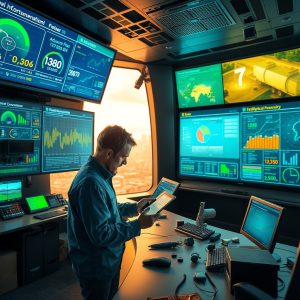
At the heart of this transformation is data. IoT devices, such as sensors and connected appliances, collect real-time information on everything from foot traffic to inventory levels. AI then processes this data to optimize operations, reduce waste, and personalize the customer journey. For example, smart refrigeration units can monitor stock levels and automatically reorder supplies before they run low, ensuring that popular items are always available. Meanwhile, AI-driven analytics can predict peak hours, allowing staff to prepare accordingly and minimize wait times.
Automation: The Backbone of Efficiency
Automation is one of the most visible ways AI and IoT are revolutionizing forecourt dining. Self-service kiosks, for instance, allow customers to place orders without waiting in line, reducing friction and speeding up service. These kiosks can be equipped with AI-powered recommendation engines that suggest add-ons based on previous purchases or trending items, subtly increasing sales while enhancing the customer experience.
Behind the scenes, robotic kitchen assistants are taking on repetitive tasks such as brewing coffee, assembling sandwiches, or even flipping burgers. These machines don’t replace human staff but instead free them up to focus on more complex or customer-facing tasks. For example, a barista might spend less time grinding beans and more time engaging with customers, creating a warmer, more personalized atmosphere.
Automation also extends to payment systems. Contactless payments, mobile wallets, and even biometric authentication (such as facial recognition) are becoming commonplace, allowing customers to pay quickly and securely. Some fuel stations are even experimenting with drive-thru systems where AI-powered cameras recognize license plates and process payments automatically, eliminating the need for customers to roll down their windows at all.
Personalization: Making Every Visit Unique
One of the most exciting applications of AI in forecourt dining is personalization. By analyzing customer data—such as purchase history, preferences, and even dietary restrictions—AI can tailor the dining experience to each individual. Imagine pulling into a fuel station and receiving a notification on your phone: “Welcome back, Sarah! Your usual latte and avocado toast are ready to order. Would you like to add a blueberry muffin today?” This level of personalization not only delights customers but also fosters loyalty.
Loyalty programs are another area where AI shines. Traditional punch cards are being replaced by dynamic, AI-driven systems that reward customers based on their behavior. For example, a customer who frequently buys coffee in the morning might receive a discount on their fifth purchase, while someone who orders salads regularly could be offered a free side of fruit. These targeted incentives encourage repeat visits and increase customer satisfaction.
Personalization isn’t limited to digital interactions. IoT-enabled digital signage can display targeted advertisements or promotions based on the time of day or the demographics of the customers present. A family stopping for breakfast might see ads for kid-friendly meals, while a solo traveler could be shown offers for quick, on-the-go snacks. This dynamic approach ensures that every customer feels seen and catered to.
Enhancing the Customer Journey
The integration of AI and IoT isn’t just about making operations smoother—it’s about creating a holistic, enjoyable customer journey. For instance, smart parking systems can guide drivers to available spots near the café, reducing frustration and saving time. Once inside, customers can use mobile apps to pre-order their meals, so their food is ready by the time they arrive. Some apps even allow customers to track the preparation of their order in real-time, adding a layer of transparency and engagement.
Environmental sustainability is another area where these technologies are making an impact. IoT sensors can monitor energy usage in real-time, adjusting lighting, heating, and cooling to minimize waste. AI can also optimize delivery routes for suppliers, reducing fuel consumption and lowering the café’s carbon footprint. These efforts not only appeal to eco-conscious customers but also help fuel stations operate more efficiently and cost-effectively.
Safety and hygiene have also been enhanced through smart technology. IoT-enabled hand sanitizer dispensers can alert staff when they need refilling, while AI-powered cameras can monitor compliance with health regulations, such as mask-wearing or social distancing. During the COVID-19 pandemic, these technologies proved invaluable in maintaining safe environments, and their benefits continue to be felt today.
The Future of Forecourt Dining
The transformation of fuel station cafes is still in its early stages, but the potential is vast. As AI and IoT technologies continue to evolve, we can expect even more innovations. For example, autonomous delivery robots could soon bring food directly to customers’ cars, while augmented reality (AR) menus might allow diners to visualize their meals before ordering. Voice-activated assistants could enable hands-free ordering, making the process even more convenient for drivers.
Another exciting development is the use of AI to create hyper-localized menus. By analyzing data on local tastes, weather conditions, and even traffic patterns, AI can suggest menu items that are likely to appeal to customers in a specific area. A fuel station in a colder climate might feature hearty soups and hot drinks, while one in a warmer region could offer refreshing smoothies and salads. This level of customization ensures that every location feels tailored to its community.
As these technologies become more widespread, the line between fuel station cafes and traditional restaurants will continue to blur. What was once a stopgap meal is now an experience—one that is efficient, personalized, and enjoyable. The next time you pull into a fuel station, don’t be surprised if your coffee is ready before you’ve even stepped out of the car, or if the menu seems to know exactly what you’re craving. The future of forecourt dining is here, and it’s smarter than you think. The convenience of the road no longer comes at the expense of quality, and that’s a journey worth taking.