The Rise of EV Charging Station Restaurants: A New Era of Roadside Dining
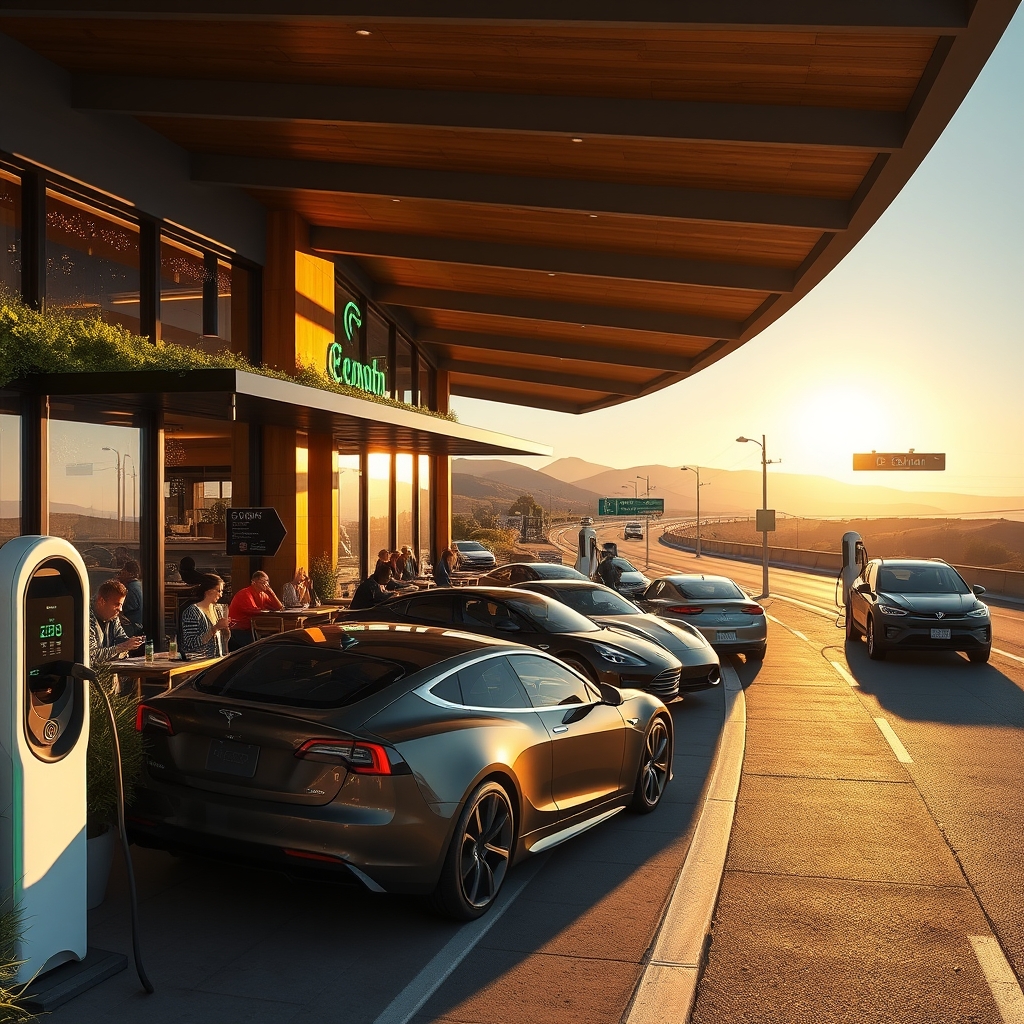
The electric vehicle (EV) revolution is not just changing how we drive—it’s reshaping where we eat. As charging stations become as common as gas pumps, a new breed of roadside dining is emerging: restaurants strategically located near EV charging hubs. These establishments are blending convenience with culinary innovation, creating a seamless experience for drivers who need to refuel both their cars and themselves. The fusion of technology and hospitality is giving rise to a trend that’s as practical as it is exciting.
The Perfect Pit Stop: Why Location Matters
For decades, roadside diners and fast-food chains thrived near gas stations, catering to drivers who needed a quick meal during long trips. Today, EV charging stations are becoming the new anchors for dining establishments, but with a twist. Unlike traditional gas stations, EV chargers require more time—anywhere from 20 minutes to an hour or more—giving drivers a unique opportunity to relax, stretch their legs, and enjoy a meal. Restaurants that capitalize on this downtime are redefining the concept of the pit stop.
Businesses are recognizing that proximity to charging stations isn’t just about foot traffic; it’s about capturing a captive audience. Drivers who might have grabbed a snack from a convenience store are now opting for sit-down meals, artisanal coffee, or even gourmet dining. This shift is particularly evident in high-traffic areas like highways, urban centers, and tourist destinations, where EV adoption is accelerating. The result? A win-win for both drivers and restaurateurs.
Enhancing the Customer Experience
The best EV charging station restaurants go beyond mere convenience—they create an experience. Forward-thinking establishments are designing spaces that cater to the needs of EV drivers, offering amenities like comfortable seating, free Wi-Fi, and even entertainment options. Some locations feature outdoor patios with charging stations right at the table, allowing diners to keep an eye on their vehicle’s progress while enjoying their meal. Others provide dedicated apps that let customers order food in advance, so it’s ready by the time they plug in their car.
Customer expectations are also evolving. EV drivers, often tech-savvy and environmentally conscious, are drawn to restaurants that align with their values. Many of these diners prefer establishments that prioritize sustainability, whether through locally sourced ingredients, zero-waste practices, or eco-friendly packaging. Restaurants that embrace these principles are not only attracting more customers but also fostering loyalty among a growing demographic that values both convenience and conscience.
From Fast Food to Fine Dining: A Spectrum of Options
The rise of EV charging station restaurants isn’t limited to one type of cuisine or dining experience. The trend spans the entire spectrum, from fast-casual chains to upscale eateries. On one end, you have quick-service restaurants offering grab-and-go meals for drivers in a hurry. These spots often feature drive-thru lanes with charging stations, allowing customers to order, eat, and recharge without ever leaving their vehicle.
On the other end of the spectrum, high-end restaurants are setting up shop near charging hubs, targeting drivers who want to make the most of their charging time. Imagine pulling into a charging station in Napa Valley and being greeted by a farm-to-table restaurant with a wine list that rivals the region’s best vineyards. Or picture a sleek, modern café in downtown Los Angeles, where EV drivers can sip on craft coffee while their car powers up. These experiences are no longer the stuff of fantasy—they’re becoming a reality.
Business Opportunities and Challenges
For entrepreneurs and established restaurant chains alike, the EV charging station trend presents a wealth of opportunities. The most obvious is the ability to tap into a growing market of EV drivers who are actively seeking dining options while they charge. However, success in this space requires more than just a prime location. Restaurants must also invest in the right infrastructure, such as high-speed chargers, user-friendly payment systems, and seamless integration with popular EV charging networks like Tesla’s Supercharger or Electrify America.
There are challenges to navigate as well. Competition is heating up as more businesses recognize the potential of this trend. Standing out requires creativity—whether through unique menu offerings, exceptional service, or innovative loyalty programs. Additionally, restaurants must stay ahead of technological advancements, as EV charging speeds continue to improve. What takes 30 minutes today might take 10 minutes tomorrow, and businesses must adapt to ensure they remain relevant.
Partnerships and Collaborations
One of the most exciting aspects of this trend is the potential for partnerships between restaurants and charging network providers. Companies like ChargePoint, EVgo, and Tesla are increasingly collaborating with food and beverage brands to create integrated experiences. For example, some charging stations now feature branded kiosks or vending machines that offer snacks and drinks, while others have full-service restaurants operating on-site. These collaborations benefit both parties: charging networks attract more users, and restaurants gain access to a steady stream of customers.
Local governments and tourism boards are also getting in on the action. In some regions, officials are incentivizing restaurants to set up near charging stations by offering tax breaks, grants, or streamlined permitting processes. These initiatives are helping to accelerate the growth of EV-friendly dining options, particularly in areas where tourism and road trips are major economic drivers.
The intersection of EV charging and dining is more than just a passing trend—it’s a glimpse into the future of travel and hospitality. As electric vehicles become the norm, the way we think about roadside stops will continue to evolve. Restaurants that embrace this shift are not only meeting the needs of today’s drivers but also shaping the experiences of tomorrow. The next time you plug in your car, you might just find yourself discovering a new favorite place to eat, where the journey is as satisfying as the destination.