
The Silent Revolution: How Smart Charging Infrastructure is Redefining Electric Vehicle Adoption
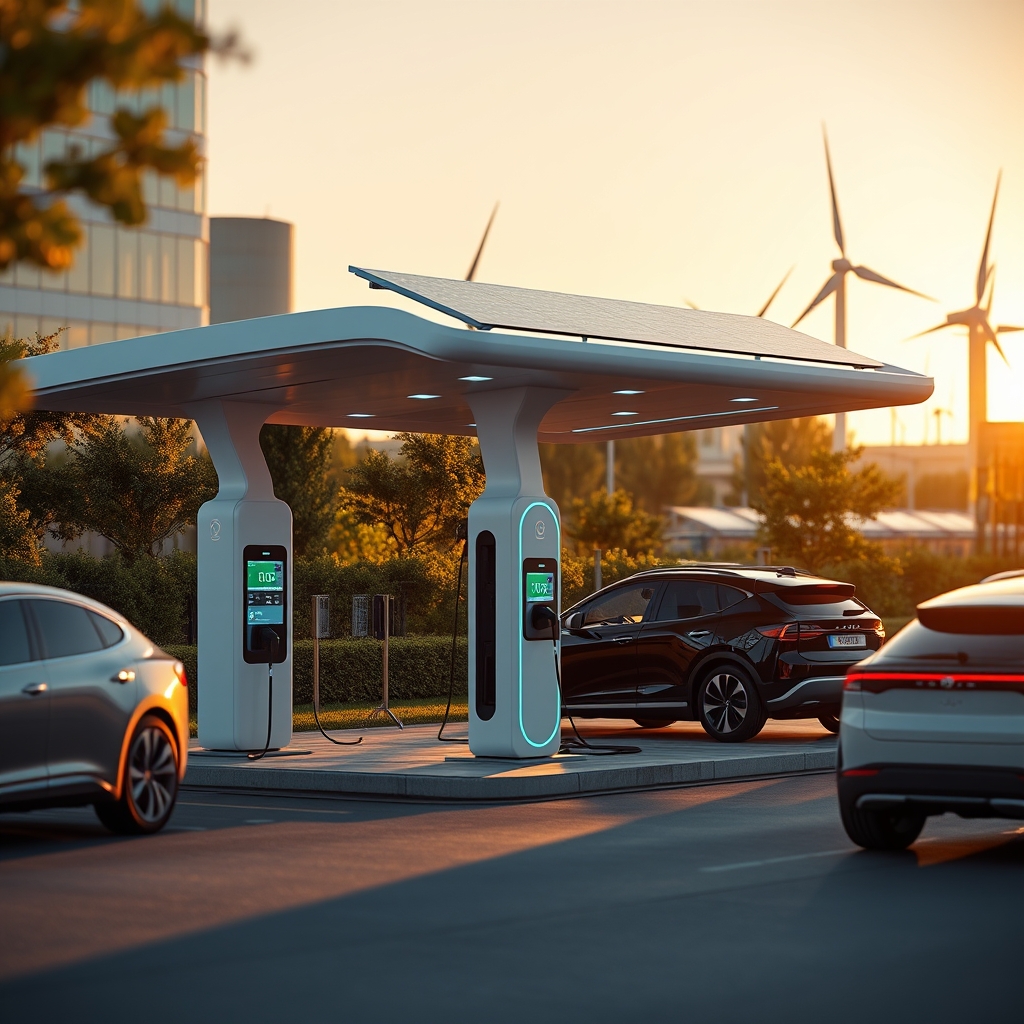
The transition to electric vehicles (EVs) is no longer a distant dream but a tangible reality reshaping urban landscapes and personal transportation. Yet, one of the most critical factors determining the success of this shift isn’t just the vehicles themselves—it’s the infrastructure that powers them. Smart charging infrastructure is emerging as the backbone of this transformation, offering more than just a place to plug in. It’s a dynamic ecosystem that integrates renewable energy, grid stability, and user convenience to make EV adoption seamless and sustainable.
The Evolution of Charging: From Basic to Brilliant
Early EV charging stations were little more than glorified power outlets, offering slow, unmanaged charging that often left drivers frustrated. Today, smart charging solutions are turning these stations into intelligent hubs. Equipped with advanced software, real-time data analytics, and bidirectional communication capabilities, these systems optimize charging based on grid demand, energy prices, and user preferences. For instance, vehicle-to-grid (V2G) technology allows EVs to not only draw power but also feed excess energy back into the grid during peak demand, turning cars into mobile energy storage units.
Balancing the Grid with Renewable Energy
One of the biggest challenges of renewable energy sources like solar and wind is their intermittency. Smart charging infrastructure helps mitigate this issue by aligning EV charging with periods of high renewable energy generation. For example, solar-powered charging stations can store excess energy during the day and release it during the evening when demand spikes. This synergy between EVs and renewables reduces reliance on fossil fuels and enhances grid resilience, making the entire energy ecosystem more sustainable.
User-Centric Design: Convenience Meets Efficiency
For EV adoption to accelerate, charging must be as convenient as refueling a traditional car. Smart charging infrastructure delivers this by offering features like remote monitoring, automated scheduling, and dynamic pricing. Drivers can use mobile apps to locate available charging stations, reserve spots, and even pre-condition their vehicle’s battery while it’s still plugged in. Additionally, smart chargers can adjust charging speeds based on the driver’s schedule, ensuring the battery is fully charged when needed without unnecessary energy consumption.
The Role of AI and Machine Learning
Artificial intelligence (AI) and machine learning are at the heart of smart charging infrastructure, enabling predictive analytics and adaptive learning. These technologies analyze historical data, weather patterns, and grid conditions to forecast energy demand and optimize charging cycles. For example, AI can predict when a driver is likely to need their vehicle and adjust charging accordingly, reducing energy waste. Over time, these systems become more efficient, learning from user behavior to deliver a personalized and seamless experience.
Overcoming Range Anxiety with Strategic Deployment
Range anxiety—the fear of running out of battery before reaching a charging station—remains a significant barrier to EV adoption. Smart charging infrastructure addresses this by ensuring chargers are strategically placed in high-traffic areas, along highways, and in residential neighborhoods. Moreover, fast-charging stations, capable of delivering an 80% charge in as little as 20 minutes, are becoming more widespread, making long-distance travel in EVs increasingly viable. The integration of connected car technology further enhances this by providing real-time updates on charging station availability and wait times.
The Future: A Fully Integrated Mobility Ecosystem
As smart charging infrastructure continues to evolve, it will become a cornerstone of a broader, interconnected mobility ecosystem. Imagine a world where your EV communicates with your home’s energy management system, automatically charging during off-peak hours to save you money. Or where autonomous driving systems route your vehicle to the nearest available charger, ensuring you’re always powered up without lifting a finger. This level of integration isn’t just convenient—it’s a game-changer for sustainability, reducing emissions and optimizing energy use on a global scale.
Economic and Environmental Benefits
The economic advantages of smart charging infrastructure extend beyond individual savings. By reducing peak demand on the grid, these systems lower the need for costly infrastructure upgrades and decrease energy costs for all consumers. Environmentally, the shift to smart charging supports carbon-neutral mobility by maximizing the use of renewable energy and minimizing waste. Cities that invest in this technology can significantly reduce their carbon footprints while fostering innovation and economic growth.
The journey toward widespread EV adoption is paved with innovation, and smart charging infrastructure is leading the way. By seamlessly blending technology, sustainability, and user convenience, it’s not just powering vehicles—it’s powering a cleaner, smarter future. As these systems become more sophisticated and widespread, they will redefine what it means to drive electric, making it easier, more efficient, and more accessible for everyone. The silent revolution is already underway, and its impact will be felt for generations to come.