
The Evolution of Fuel Injection Systems: Enhancing Performance and Efficiency
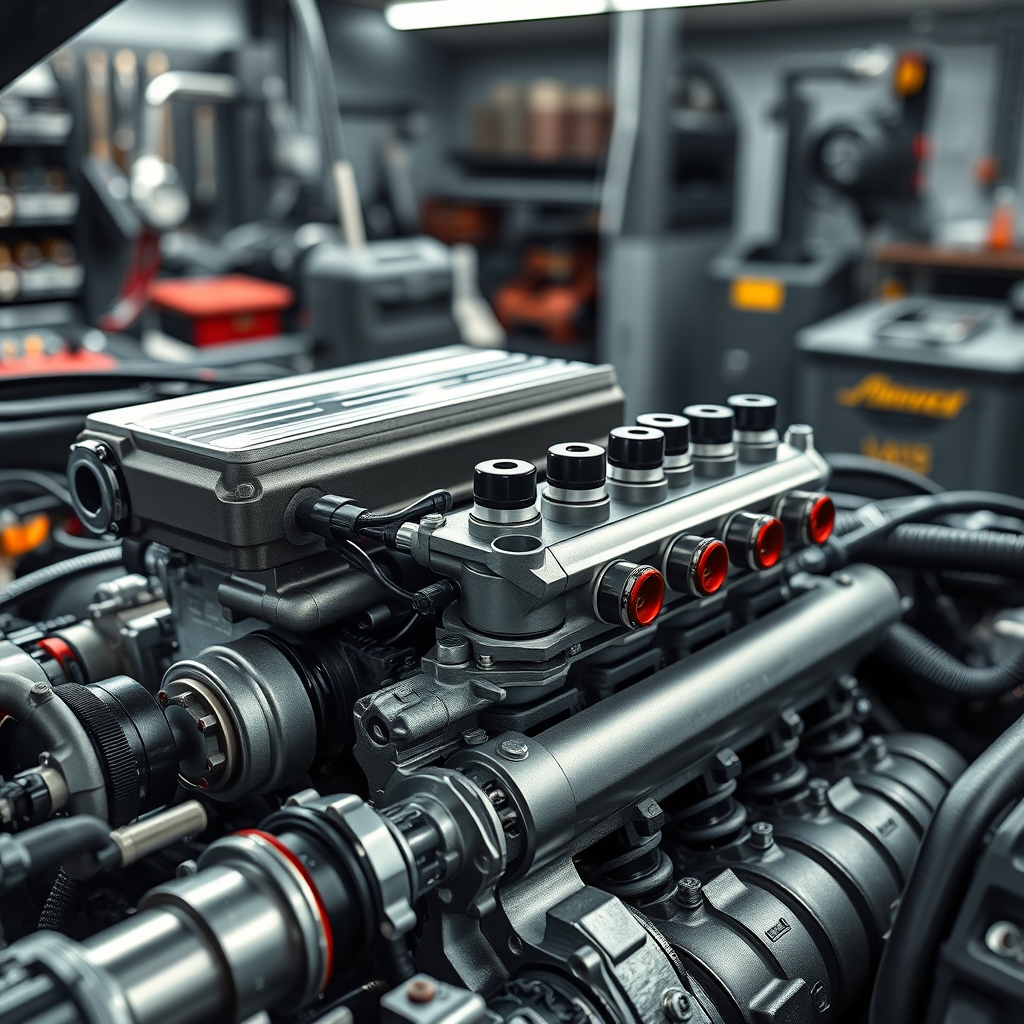
Fuel injection systems have revolutionized the way engines operate, replacing outdated carburetors with precision technology that optimizes performance, efficiency, and emissions. From the early days of mechanical fuel injection to today’s sophisticated electronic systems, advancements in fuel delivery have played a pivotal role in shaping modern automotive engineering. Understanding the components and technologies behind these systems can help drivers and enthusiasts alike appreciate the complexity and innovation driving their vehicles.
The Shift from Carburetors to Fuel Injection
For decades, carburetors were the standard for mixing air and fuel in internal combustion engines. However, their mechanical nature often led to inefficiencies, inconsistent fuel delivery, and higher emissions. The introduction of electronic fuel injection (EFI) systems marked a turning point, offering precise control over fuel metering based on real-time engine conditions. Early EFI systems, such as throttle body injection (TBI), delivered fuel through a single injector mounted in the throttle body, providing a more consistent air-fuel mixture than carburetors.
As technology progressed, multi-point fuel injection (MPFI) systems emerged, featuring individual injectors for each cylinder. This design improved fuel distribution, allowing for better combustion and increased power output. Sequential port injection (SPI) took this a step further by timing fuel delivery to match each cylinder’s intake stroke, optimizing efficiency and reducing waste. These advancements laid the foundation for the high-performance fuel systems we see today.
Key Components of Modern Fuel Injection Systems
Modern fuel injection systems rely on a network of components working in harmony to deliver fuel with precision. At the heart of this system is the high-pressure fuel pump, which pressurizes fuel to levels required for efficient atomization. In direct fuel injection systems, pressures can exceed 2,000 psi, ensuring fine fuel droplets for optimal combustion. The fuel rail pressure sensor monitors this pressure, providing feedback to the engine control unit (ECU) to maintain consistency.
The fuel injectors themselves are marvels of engineering, designed to open and close in milliseconds to deliver the exact amount of fuel needed. Over time, deposits can accumulate on injector nozzles, leading to poor spray patterns and reduced performance. This is where fuel injector cleaner comes into play, helping to dissolve carbon buildup and restore efficiency. Regular maintenance, including fuel filter replacement, is essential to prevent contaminants from reaching sensitive components.
The Role of Fuel Pressure Regulators and Sensors
A fuel pressure regulator ensures that fuel pressure remains within the optimal range, regardless of engine load or demand. In returnless fuel systems, the regulator is often integrated into the fuel tank, eliminating the need for a return line and reducing fuel vapor emissions. The fuel rail pressure sensor works alongside the regulator, providing real-time data to the ECU to adjust fuel delivery dynamically. This closed-loop system ensures that the engine operates efficiently under all conditions, from idling to full throttle.
For vehicles equipped with flex-fuel sensors, the system can detect the ethanol content in the fuel and adjust the air-fuel ratio accordingly. This adaptability is crucial for engines designed to run on varying blends of gasoline and ethanol, ensuring optimal performance and preventing damage from incorrect fuel mixtures.
Advanced Fuel Delivery Technologies
In high-performance and diesel applications, common rail diesel injection systems have set a new standard for efficiency and power. These systems use a single high-pressure fuel rail to supply multiple injectors, allowing for multiple injection events per combustion cycle. The result is smoother operation, reduced noise, and lower emissions, making common rail systems a favorite in modern diesel engines.
For gasoline engines, direct fuel injection has become increasingly popular, particularly in turbocharged and high-compression applications. By injecting fuel directly into the combustion chamber, these systems achieve better atomization and cooling, which can improve power output and fuel economy. However, direct injection can also lead to carbon buildup on intake valves, making regular maintenance and the use of quality fuels essential.
Innovations in Fuel Storage and Delivery
The fuel delivery module is another critical component, often located inside the fuel tank. This assembly typically includes the fuel pump, fuel level sending unit, and sometimes a fuel tank vent valve to manage pressure and emissions. In vehicles with dual-stage fuel pumps, the system can switch between low and high-pressure modes to optimize efficiency and performance. The carbon canister purge valve works in tandem with the vent valve, capturing and recirculating fuel vapors to reduce emissions and improve fuel economy.
For motorsport and high-performance applications, fuel swirl pots and high-flow fuel rails are often used to ensure a steady supply of fuel, even under extreme conditions. Swirl pots prevent fuel starvation during hard cornering or acceleration, while high-flow rails provide consistent pressure to all injectors, maximizing performance.
The evolution of fuel injection systems reflects the broader trends in automotive technology, where precision, efficiency, and environmental responsibility are paramount. From the early days of electronic fuel injection to today’s advanced direct injection and common rail systems, each innovation has brought us closer to the ideal balance of power, economy, and emissions. As engines continue to evolve, so too will the technologies that feed them, ensuring that the journey toward better performance and sustainability never stalls. Whether you’re a daily driver or a performance enthusiast, understanding these systems can deepen your appreciation for the engineering marvels under the hood and inspire better maintenance habits to keep them running at their best.