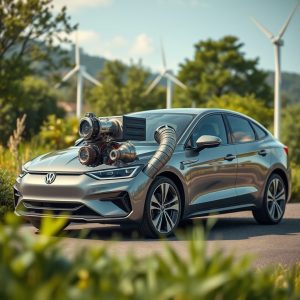
The Science Behind Synthetic E-Fuels: Revolutionizing Carbon-Neutral Transportation
As the world accelerates its shift toward sustainable energy, synthetic e-fuels have emerged as a promising solution to decarbonize transportation without requiring a complete overhaul of existing infrastructure. Unlike conventional fossil fuels, e-fuels are produced using renewable electricity, water, and captured carbon dioxide, making them a carbon-neutral alternative that can be seamlessly integrated into current engines and fuel distribution systems. This innovation bridges the gap between immediate emissions reduction and long-term technological transitions, offering a pragmatic pathway for industries reliant on liquid fuels.
The Chemistry of E-Fuels: How They Work
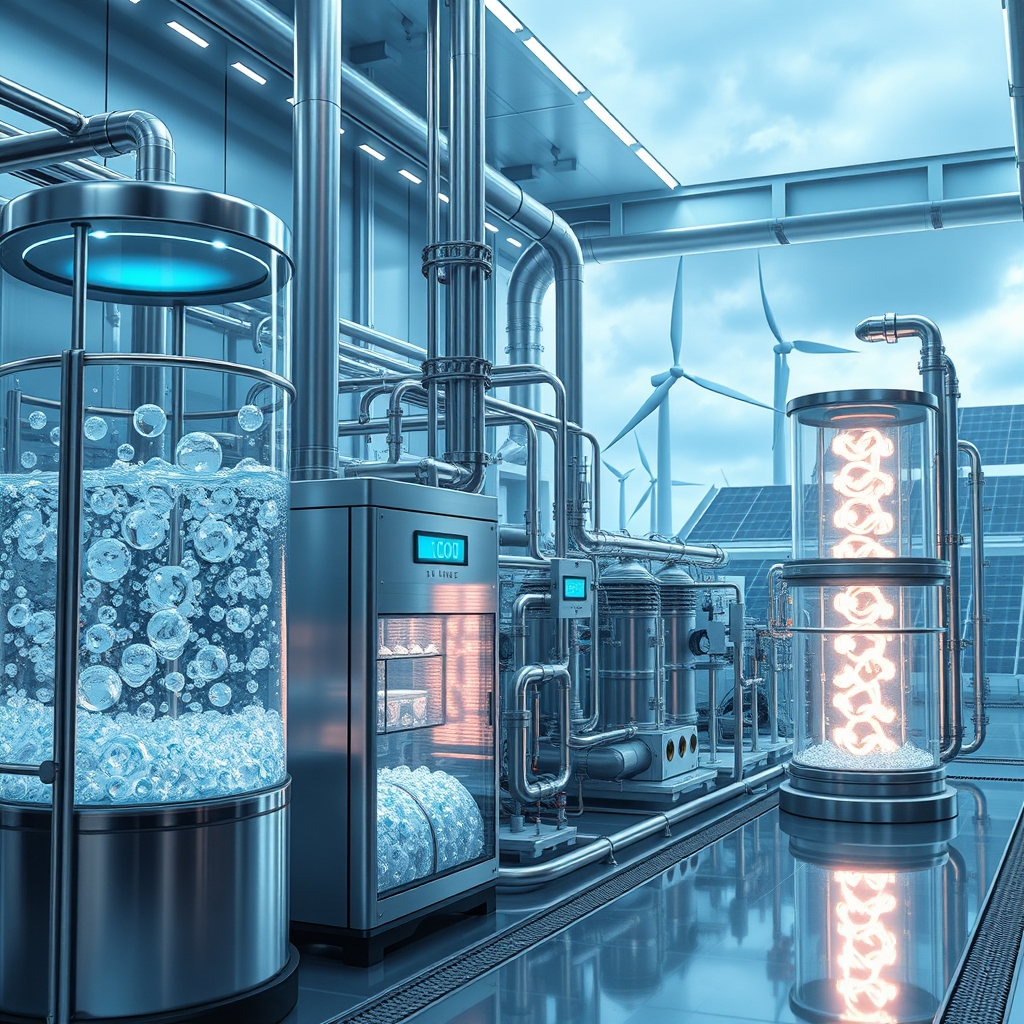
Synthetic e-fuels, also known as electrofuels, are created through a process called Power-to-Liquid (PtL). The first step involves electrolysis, where renewable electricity splits water into hydrogen and oxygen. The hydrogen is then combined with captured carbon dioxide in a synthesis process—often using the Fischer-Tropsch method or methanol synthesis—to produce liquid hydrocarbons. These hydrocarbons can be refined into gasoline, diesel, or kerosene, chemically identical to their fossil-based counterparts but with a net-zero carbon footprint when produced sustainably.
The beauty of e-fuels lies in their compatibility. Unlike hydrogen, which requires high-pressure storage and specialized fuel cells, e-fuels can be stored, transported, and used in existing internal combustion engines with minimal modifications. This makes them particularly attractive for sectors like aviation, shipping, and heavy-duty transport, where electrification is challenging due to energy density and weight constraints.
Carbon Neutrality: Closing the Loop
The carbon neutrality of e-fuels hinges on the source of the CO2 used in their production. Ideally, the carbon dioxide is captured directly from the atmosphere or industrial emissions, ensuring that the CO2 released during combustion is offset by the amount removed during production. This creates a closed carbon loop, where the fuel neither adds nor removes CO2 from the environment over its lifecycle. However, the sustainability of e-fuels depends heavily on the renewable energy used in their production—if the electricity comes from fossil sources, the environmental benefits diminish significantly.
E-Fuels vs. Other Sustainable Alternatives
While battery-electric vehicles (BEVs) dominate the conversation around sustainable mobility, e-fuels offer distinct advantages in certain applications. For instance, long-haul trucking, maritime shipping, and aviation require high energy density and quick refueling, areas where batteries currently fall short. E-fuels provide a drop-in solution that doesn’t necessitate new infrastructure or vehicle designs, making them a practical interim solution as the world transitions to fully renewable energy systems.
Compared to biofuels, which are derived from organic matter like crops or waste, e-fuels avoid the land-use and food-security concerns associated with large-scale biomass cultivation. They also outperform traditional biofuels in energy density and scalability, as they can be produced anywhere with access to renewable electricity and carbon sources. However, the energy efficiency of e-fuels is lower than that of direct electrification, as the conversion process involves multiple steps, each with its own energy losses.
Challenges and Future Prospects
Despite their potential, e-fuels face several hurdles. The most significant is cost—current production methods are energy-intensive and expensive, making e-fuels far pricier than fossil fuels. Scaling up production and improving electrolysis and carbon-capture technologies are critical to driving down costs. Additionally, the reliance on renewable energy means that e-fuel production is only as green as the electricity grid it depends on, underscoring the need for a global shift toward clean energy sources.
Another challenge is the competition for renewable electricity. As demand for green hydrogen and e-fuels grows, so does the strain on renewable energy infrastructure. Policymakers and industry leaders must prioritize the most efficient uses of clean electricity, balancing the needs of e-fuel production with other critical applications like grid storage and direct electrification.
Real-World Applications and Pilot Projects
Several companies and countries are already pioneering e-fuel production and deployment. In Chile, the Haru Oni project, a collaboration between Siemens Energy, Porsche, and others, is producing e-fuels using wind power and captured CO2. The project aims to demonstrate the viability of large-scale e-fuel production and supply the fuel to Porsche’s motorsports and customer vehicles. Similarly, Norway’s Norsk e-Fuel initiative is developing a commercial plant to produce e-kerosene for aviation, leveraging the country’s abundant renewable energy resources.
In the automotive sector, e-fuels are being tested as a way to extend the life of internal combustion engines in a post-fossil-fuel world. Porsche, for example, has invested heavily in e-fuel development, viewing it as a complementary technology to electric vehicles. The company envisions a future where e-fuels power classic cars and high-performance vehicles, preserving the cultural and engineering heritage of internal combustion while reducing emissions.
The Role of Policy and Investment
The widespread adoption of e-fuels will depend on supportive policies and substantial investment. Governments can accelerate progress by implementing carbon pricing, offering subsidies for e-fuel production, and setting mandates for the use of sustainable fuels in hard-to-decarbonize sectors. The European Union’s Renewable Energy Directive (RED II) already recognizes e-fuels as a renewable energy source, providing a regulatory framework that could spur further development.
Investment in research and development is equally crucial. Advances in electrolysis, carbon capture, and synthesis technologies could dramatically improve the efficiency and cost-effectiveness of e-fuel production. Public-private partnerships, like those seen in the hydrogen economy, will be essential to scaling up production and bringing e-fuels to market at a competitive price.
The journey toward a carbon-neutral future is complex and multifaceted, requiring a mix of technologies and strategies tailored to different sectors and applications. Synthetic e-fuels represent a versatile and pragmatic tool in this transition, offering a way to reduce emissions without abandoning the infrastructure and vehicles we rely on today. As production scales and costs decline, e-fuels could play a pivotal role in decarbonizing transportation, particularly in areas where electrification is not yet feasible. The key to their success lies in continued innovation, supportive policies, and a commitment to sustainability that extends beyond the fuel itself to the entire energy ecosystem that powers it.