The Intersection of Renewable Diesel and Connected Car Technology: Driving Toward a Smarter, Greener Future
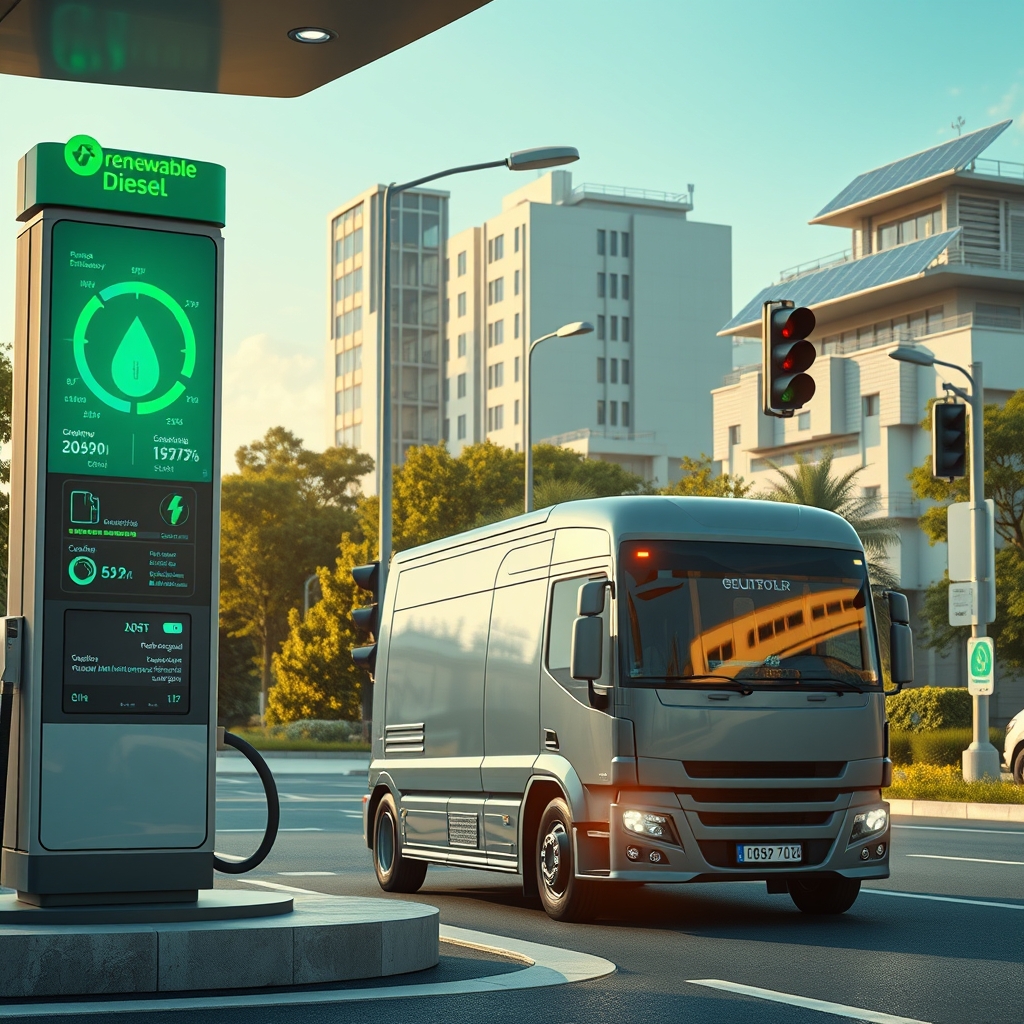
As the world accelerates toward a more sustainable future, the transportation sector stands at a critical crossroads. The push for carbon-neutral mobility has sparked innovation across multiple fronts, from advanced powertrains to intelligent infrastructure. Among these developments, two technologies—renewable diesel and connected car systems—are emerging as powerful allies in the quest for smarter, greener transportation. When combined, they offer a compelling pathway to reduce emissions without sacrificing performance or convenience.
The Promise of Renewable Diesel
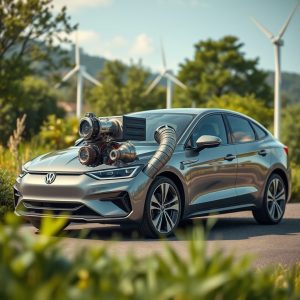
Renewable diesel, often overshadowed by its more famous counterpart, biodiesel, is a next-generation fuel derived from sustainable feedstocks such as waste fats, vegetable oils, and even algae. Unlike traditional biodiesel, which undergoes transesterification, renewable diesel is produced through hydrotreating, a process that refines the feedstock into a fuel chemically identical to petroleum diesel. This means it can be used in existing diesel engines without modifications, offering an immediate and scalable solution to reduce greenhouse gas emissions.
The environmental benefits of renewable diesel are significant. Studies have shown that it can cut lifecycle carbon emissions by up to 80% compared to conventional diesel. Additionally, its high cetane number and lack of oxygen content result in cleaner combustion, reducing particulate matter and nitrogen oxide emissions. For fleets and industries reliant on diesel engines, renewable diesel presents a seamless transition toward sustainability without the need for costly infrastructure overhauls.
Connected Car Technology: The Brain Behind Smarter Mobility
While renewable diesel addresses the fuel side of the equation, connected car technology is revolutionizing how vehicles interact with their environment. Modern connected cars are equipped with sensors, telematics, and internet connectivity, enabling real-time data exchange between vehicles, infrastructure, and even other road users. This interconnected ecosystem enhances safety, efficiency, and convenience, but its potential extends far beyond these immediate benefits.
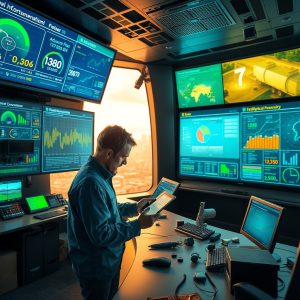
One of the most transformative applications of connected car technology is predictive maintenance. By continuously monitoring vehicle health, these systems can alert drivers to potential issues before they become critical, reducing downtime and extending the lifespan of components. For commercial fleets, this translates to lower operational costs and improved reliability. Moreover, connected cars can optimize routes in real time, avoiding traffic congestion and reducing idle time, which in turn lowers fuel consumption and emissions.
Synergizing Renewable Diesel and Connected Car Systems
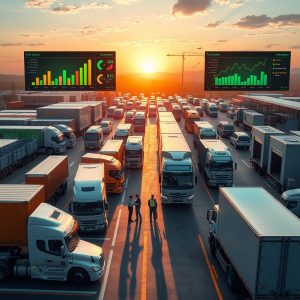
The true power of these technologies lies in their synergy. When renewable diesel is paired with connected car systems, the result is a transportation ecosystem that is not only cleaner but also smarter. For instance, telematics can track fuel efficiency in real time, allowing fleet managers to identify patterns and optimize fuel consumption. If a vehicle consistently underperforms, adjustments can be made to driving behavior or maintenance schedules, ensuring that renewable diesel is used as efficiently as possible.
Connected car technology also enables dynamic fuel management. In regions where renewable diesel is readily available, vehicles can be directed to refuel at stations offering the sustainable option, further reducing the carbon footprint. Additionally, data from connected cars can inform policymakers and urban planners about traffic patterns and fuel usage, helping to design infrastructure that supports the widespread adoption of low-carbon fuels.
Overcoming Challenges on the Road to Adoption
Despite their potential, the widespread adoption of renewable diesel and connected car technology faces hurdles. For renewable diesel, the primary challenge is scalability. While production is increasing, it remains limited compared to conventional diesel, leading to higher costs. However, as demand grows and production processes become more efficient, prices are expected to decline, making renewable diesel a more accessible option for consumers and businesses alike.
Connected car technology, on the other hand, grapples with concerns over data privacy and cybersecurity. As vehicles become more connected, they also become more vulnerable to hacking and unauthorized access. Addressing these risks requires robust encryption, secure communication protocols, and collaboration between automakers, tech companies, and regulators to establish industry-wide standards.
The Role of Policy and Infrastructure
Government policies play a crucial role in accelerating the adoption of both technologies. Incentives such as tax credits, grants, and subsidies can make renewable diesel more affordable for consumers and businesses. Similarly, investments in smart infrastructure—such as vehicle-to-infrastructure (V2I) communication systems—can enhance the capabilities of connected cars, making them more effective in reducing emissions and improving traffic flow.
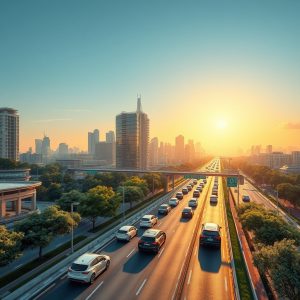
Urban planning also has a part to play. Cities can prioritize the development of renewable diesel refueling stations in high-traffic areas, ensuring that fleets and individual drivers have easy access to sustainable fuel options. Meanwhile, the integration of connected car data into traffic management systems can help reduce congestion, further lowering emissions and improving air quality.
As we look to the future, the convergence of renewable diesel and connected car technology offers a glimpse into a world where transportation is not only sustainable but also intelligent. By leveraging the strengths of both, we can create a mobility ecosystem that is cleaner, more efficient, and better equipped to meet the challenges of a rapidly changing world. The journey toward carbon-neutral mobility is complex, but with innovation and collaboration, the destination is within reach—one smart, green mile at a time.