
The Science of Speed: How Strategic Engine Modifications Elevate Performance Without Compromising Reliability
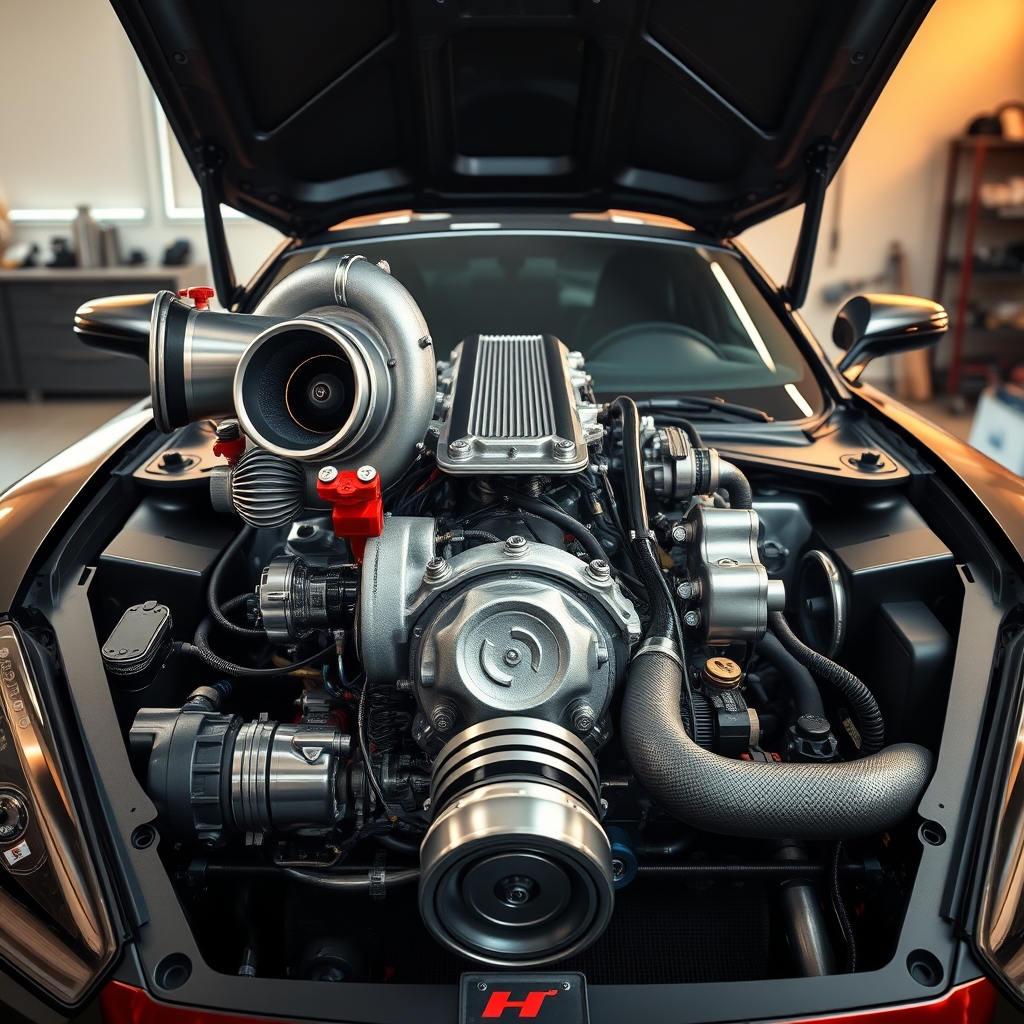
When it comes to extracting every ounce of potential from an engine, the line between a well-tuned powerhouse and a ticking time bomb is thinner than most enthusiasts realize. The pursuit of speed and performance is not merely about bolting on the most aggressive parts—it’s about understanding the intricate balance between power, efficiency, and longevity. Strategic engine modifications can transform a stock vehicle into a precision machine, but only when approached with knowledge, patience, and respect for the engineering that underpins it all.
The Foundation: Electronic Control Unit Remapping
At the heart of modern performance tuning lies the Electronic Control Unit (ECU), the brain that governs everything from fuel delivery to ignition timing. Factory ECU settings are designed to meet broad emissions standards, accommodate varying fuel qualities, and ensure reliability across thousands of miles. However, these conservative parameters often leave significant performance untapped. ECU remapping, or “chipping,” involves recalibrating these settings to optimize power output while maintaining safe operating conditions.
A professional remap can yield gains of 10-30% in horsepower and torque, depending on the engine’s baseline. The key is to work with tuners who understand the nuances of air-fuel ratios, boost pressure, and ignition timing. Over-aggressive remapping can lead to detonation, excessive heat, and premature engine wear, so precision is paramount. For forced-induction engines, a remap is often the first step, unlocking the full potential of turbocharger or supercharger upgrades that follow.
Forced Induction: Turbochargers and Superchargers
Forced induction is one of the most effective ways to dramatically increase an engine’s power output. Turbochargers and superchargers compress incoming air, allowing more oxygen to enter the combustion chamber and enabling the engine to burn more fuel. The result? A substantial boost in horsepower and torque without increasing engine displacement.
Turbocharger Upgrades
Turbochargers harness exhaust gases to spin a turbine, which compresses intake air. Upgrading to a larger or more efficient turbo can reduce lag and provide a broader power band. However, bigger isn’t always better—matching the turbo to the engine’s airflow requirements is critical. A turbo that’s too large may introduce excessive lag, while one that’s too small can create excessive backpressure, leading to heat buildup and potential failure. Supporting modifications, such as upgraded intercoolers and high-flow fuel injectors, are often necessary to handle the increased airflow and maintain safe operating temperatures.
Supercharger Kits
Unlike turbochargers, superchargers are mechanically driven, typically via a belt connected to the engine’s crankshaft. This direct connection eliminates lag, providing instant power delivery. Superchargers are ideal for engines where linear power delivery is preferred, such as in drag racing or street applications. However, they place additional strain on the engine, requiring robust internals like forged pistons and upgraded valve trains to handle the increased stress. Methanol injection systems can also be paired with superchargers to cool the intake charge, reducing the risk of detonation and allowing for even higher boost levels.
Breathing Easy: Air Intake and Exhaust Upgrades
An engine is essentially an air pump—the more efficiently it can inhale and exhale, the more power it can produce. Upgrading the air intake and exhaust systems is a fundamental step in any performance build, often yielding immediate and noticeable improvements.
Cold Air Intakes and Carbon Fiber Systems
Stock air intake systems are designed to minimize noise and filter contaminants, but they often restrict airflow. Upgrading to a cold air intake or a carbon fiber air intake system allows the engine to draw in cooler, denser air, which contains more oxygen and improves combustion efficiency. Cold air intakes relocate the filter to a position where it can draw air from outside the engine bay, reducing heat soak and further enhancing performance. Carbon fiber intakes, meanwhile, offer the added benefit of being lightweight and resistant to heat, making them a popular choice for high-performance applications.
Performance Exhaust Systems
On the other side of the equation, a performance exhaust system reduces backpressure, allowing exhaust gases to exit the engine more efficiently. High-flow catalytic converters, mandrel-bent piping, and free-flowing mufflers all contribute to improved scavenging, which helps the engine breathe better. The result is not just increased power but also a more aggressive exhaust note that many enthusiasts find appealing. However, it’s important to strike a balance—an overly restrictive exhaust can hinder performance, while one that’s too free-flowing may lead to drone or excessive noise, especially in street-driven vehicles.
Strengthening the Internals: Forged Components and Cylinder Head Work
Pushing an engine beyond its factory limits requires more than just bolt-on upgrades. To handle the increased stress, the engine’s internals must be reinforced. Forged pistons, performance crankshafts, and upgraded valve trains are essential for engines running high boost, high RPM, or both.
Forged Pistons and High Compression Pistons
Forged pistons are stronger and more durable than their cast counterparts, making them ideal for high-performance and forced-induction applications. They can withstand the extreme pressures and temperatures generated by increased boost or higher compression ratios. High compression pistons, meanwhile, increase the engine’s thermal efficiency, allowing it to extract more power from each combustion cycle. However, higher compression ratios also increase the risk of detonation, so careful tuning and the use of high-octane fuel or methanol injection systems are often necessary.
Cylinder Head Porting and Valve Train Upgrades
The cylinder head is where the magic of combustion happens, and optimizing its airflow can yield significant performance gains. Cylinder head porting involves smoothing and reshaping the intake and exhaust ports to improve airflow, while valve train upgrades—such as high-performance camshafts, stronger valve springs, and lightweight retainers—allow the engine to rev higher and breathe more efficiently. Performance camshafts, in particular, can dramatically alter an engine’s power band, providing more top-end power or improved low-end torque, depending on the grind.
Fueling the Fire: High-Flow Injectors and Upgraded Fuel Pumps
More air requires more fuel, and stock fuel systems are often the first bottleneck in a performance build. Upgrading to high-flow fuel injectors and a high-performance fuel pump ensures that the engine receives the fuel it needs to match the increased airflow. High-flow injectors deliver fuel more precisely and at higher volumes, while upgraded fuel pumps maintain consistent fuel pressure under high-demand conditions. Without these upgrades, the engine may run lean, leading to detonation and potential catastrophic failure.
The Finishing Touches: Intercoolers, Boost Controllers, and Spark Plugs
Even the most meticulously built engine can be held back by inadequate cooling or suboptimal boost control. Upgraded intercoolers reduce intake air temperatures, improving combustion efficiency and reducing the risk of detonation. Electronic boost controllers allow for precise tuning of turbocharger boost levels, ensuring consistent power delivery across the RPM range. High-performance spark plugs, meanwhile, provide a stronger and more consistent spark, improving combustion efficiency and reducing the risk of misfires, especially under high boost or high RPM conditions.
Building a high-performance engine is not about chasing the highest horsepower numbers—it’s about creating a harmonious system where every component works together to deliver power efficiently and reliably. The best builds are those that push the limits without crossing the line into recklessness. Whether you’re aiming for track dominance, street credibility, or simply the thrill of driving a machine that responds to your every command, the key is to approach each modification with a deep understanding of how it will affect the engine as a whole. The science of speed is not just about power; it’s about precision, balance, and the relentless pursuit of perfection.