The Future of Mobility: Innovations in Electric Vehicles and Sustainable Fuels
The automotive industry is undergoing a profound transformation, driven by the urgent need to reduce carbon emissions and combat climate change. This shift is marked by a surge in innovations that promise to redefine the way we think about mobility. From electric vehicles (EVs) to hydrogen fuel cells and synthetic fuels, the future of transportation is becoming increasingly diverse and sustainable.
Electric Vehicles: The Dawn of a New Era
Electric vehicles are at the forefront of this revolution. With advancements in battery technology, particularly solid-state batteries, EVs are becoming more efficient and affordable. These batteries offer higher energy density, faster charging times, and improved safety compared to traditional lithium-ion batteries. As a result, EVs are becoming a viable option for a broader range of consumers, from urban commuters to long-distance travelers.
Battery Management Systems: The Unsung Heroes
One of the critical components ensuring the longevity and performance of EV batteries is the battery management system (BMS). This system monitors the battery’s state of charge, temperature, and overall health, optimizing performance and extending the battery’s lifespan. As EVs become more prevalent, the importance of a robust BMS cannot be overstated.
Hydrogen Fuel Cells: A Promising Alternative
Hydrogen fuel cells represent another promising avenue for sustainable mobility. These cells generate electricity through a chemical reaction between hydrogen and oxygen, producing only water as a byproduct. This makes them an attractive option for zero-emission vehicles, particularly in applications where long-range and quick refueling are essential, such as heavy-duty trucks and buses.
Smart Charging Infrastructure: The Backbone of EV Adoption
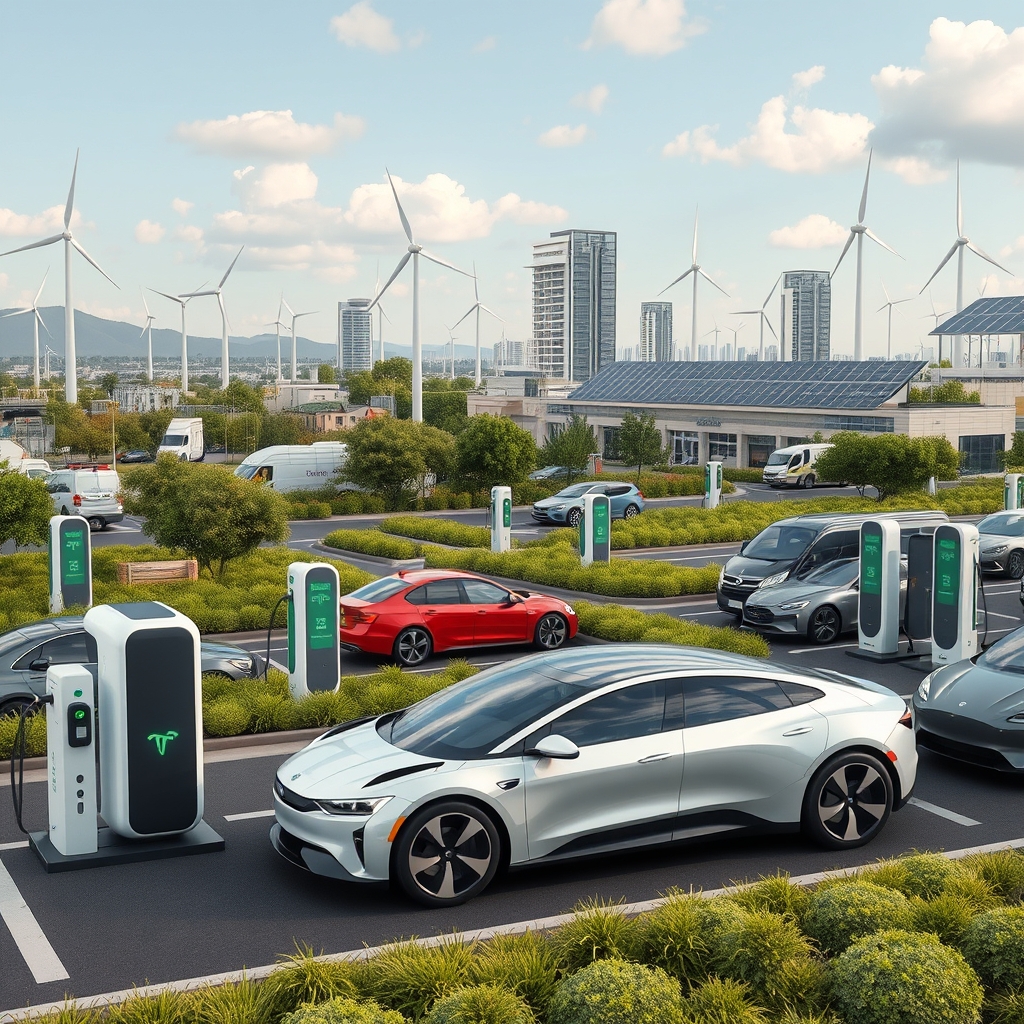
For EVs to become mainstream, a robust and intelligent charging infrastructure is crucial. Smart charging systems can optimize energy usage, reduce peak demand, and integrate renewable energy sources, making EV charging more efficient and cost-effective. These systems also enable features like regenerative braking, which captures energy during deceleration and stores it in the battery, further enhancing the vehicle’s efficiency.
Synthetic Fuels: Bridging the Gap
Synthetic fuels, produced from renewable sources like biomass or captured CO2, offer a bridge between traditional internal combustion engines (ICEs) and zero-emission vehicles. These fuels can be used in existing ICEs with minimal modifications, reducing emissions without requiring a complete overhaul of the vehicle fleet. As technology advances, synthetic fuels could play a significant role in achieving carbon-neutral mobility.
Dual Fuel Combustion: A Hybrid Approach
Dual fuel combustion engines, which can run on a combination of conventional fuels and renewable sources like biofuels or hydrogen, offer a flexible and efficient solution. These engines can optimize fuel usage based on driving conditions, reducing emissions and improving overall efficiency. As the technology matures, dual fuel combustion could become a key player in the transition to sustainable mobility.
As we look to the future, it is clear that the path to sustainable mobility is multifaceted. Electric vehicles, hydrogen fuel cells, synthetic fuels, and dual fuel combustion engines each offer unique advantages and challenges. By embracing these innovations and investing in the necessary infrastructure, we can create a transportation system that is not only more efficient and sustainable but also more resilient and adaptable to the changing needs of society. The journey towards carbon-neutral mobility is complex, but with continued innovation and collaboration, it is within our reach.