
The Invisible Force of Regenerative Braking: How Smart Energy Recovery is Redefining Electric and Hybrid Mobility
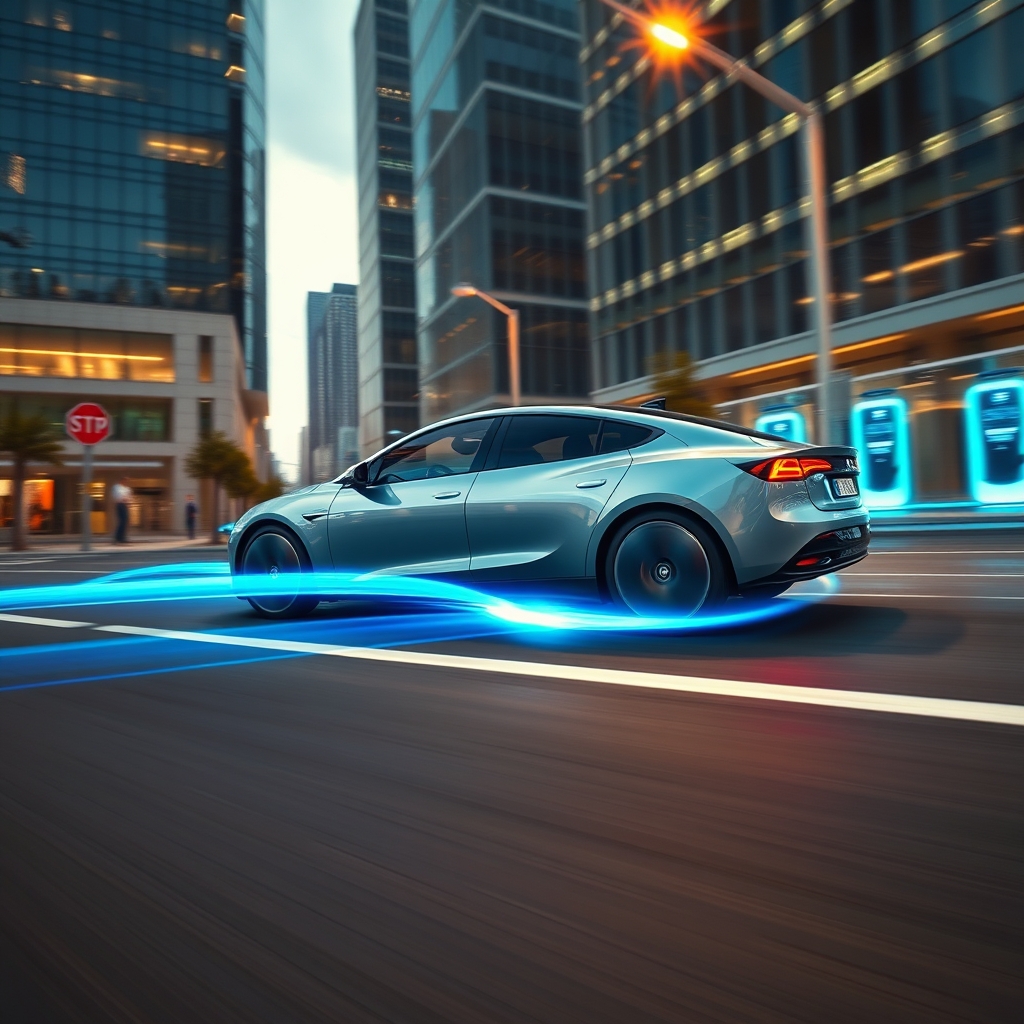
Every time a driver presses the brake pedal, a hidden opportunity emerges—one that most conventional vehicles let slip away as wasted heat. But in the world of electric and hybrid mobility, regenerative braking is turning that loss into a powerful advantage. This technology, often overshadowed by flashier innovations like solid-state batteries or autonomous driving, is quietly revolutionizing how vehicles capture, store, and reuse energy. By converting kinetic energy back into electrical power, regenerative braking doesn’t just improve efficiency; it redefines the very nature of sustainable transportation.
The Science Behind the Silence
At its core, regenerative braking is a symphony of physics and engineering. When a driver decelerates in an electric or hybrid vehicle, the electric motor reverses its role, acting as a generator. Instead of consuming electricity to propel the car forward, it harnesses the vehicle’s momentum to produce electricity, which is then fed back into the battery. This process isn’t just about slowing down—it’s about recapturing energy that would otherwise dissipate as heat through traditional friction brakes.
The efficiency of this system depends on several factors, including the vehicle’s speed, the battery’s state of charge, and the sophistication of the battery management system (BMS). A well-tuned BMS ensures that the recovered energy is stored optimally, balancing power delivery and battery longevity. In high-performance electric vehicles, regenerative braking can recover up to 70% of the energy typically lost during deceleration, a figure that would make even the most advanced turbocharged direct injection engines envious.
Beyond Efficiency: The Ripple Effects of Regenerative Braking
The benefits of regenerative braking extend far beyond mere energy recovery. For urban drivers, the technology reduces wear and tear on traditional braking systems, lowering maintenance costs and extending the lifespan of brake pads and rotors. In stop-and-go traffic, where braking is frequent, the system shines, turning every red light and traffic jam into an opportunity to recharge the battery. This is particularly valuable for hybrid powertrains, where the interplay between electric and internal combustion engines demands seamless energy management.
Moreover, regenerative braking plays a pivotal role in enhancing the range of electric vehicles. While it may not single-handedly double a vehicle’s range, it contributes significantly to overall efficiency, especially in city driving. When paired with smart charging infrastructure, the energy recovered can be strategically deployed during peak efficiency windows, further optimizing the vehicle’s performance. This synergy is a cornerstone of carbon-neutral mobility, where every kilowatt-hour counts in the quest to reduce emissions.
The Human Factor: Driving with a New Mindset
For drivers accustomed to traditional vehicles, regenerative braking introduces a new way of thinking about acceleration and deceleration. The system often provides a subtle resistance when lifting off the accelerator, a sensation that can feel like engine braking in a conventional car. Over time, drivers learn to anticipate stops and adjust their driving style to maximize energy recovery. This shift in behavior not only improves efficiency but also fosters a deeper connection between the driver and the vehicle’s energy dynamics.
Automakers have responded to this learning curve by offering adjustable regenerative braking settings. Some vehicles allow drivers to choose between mild and aggressive regeneration, tailoring the experience to their preferences. In more advanced systems, autonomous driving systems can even optimize regenerative braking in real-time, using predictive algorithms to adjust deceleration based on traffic conditions and route topography. This level of integration underscores how regenerative braking is not just a standalone feature but a critical component of the broader connected car technology ecosystem.
The Future: Where Regenerative Braking Meets Innovation
As electric and hybrid vehicles continue to evolve, regenerative braking is poised to become even more sophisticated. Emerging technologies like solid-state batteries promise higher energy densities and faster charging rates, which could further enhance the system’s effectiveness. Meanwhile, advancements in exhaust aftertreatment and eco-friendly biofuels are expanding the toolkit for achieving zero-emission vehicles, with regenerative braking serving as a complementary force in the transition.
Looking ahead, the integration of regenerative braking with hydrogen fuel cells and synthetic fuels could open new frontiers in sustainable mobility. Imagine a vehicle that not only recovers energy during braking but also uses that energy to power auxiliary systems or even produce hydrogen on demand. Such innovations could blur the lines between different propulsion technologies, creating a more flexible and resilient energy ecosystem.
The Road Ahead: A Seamless Blend of Efficiency and Experience
The true power of regenerative braking lies in its ability to make sustainability effortless. Unlike other green technologies that require significant behavioral changes—such as switching to renewable diesel or adopting dual fuel combustion—regenerative braking works silently in the background, enhancing efficiency without demanding extra effort from the driver. It’s a testament to how innovation can align with human behavior, rather than disrupt it.
As the automotive industry races toward a carbon-neutral future, regenerative braking stands as a quiet but indispensable ally. It reminds us that the most transformative technologies are often the ones we don’t see—the ones that work tirelessly behind the scenes to turn every journey into a step toward a cleaner, smarter, and more efficient world. The road ahead is not just about reaching destinations faster; it’s about reimagining how we move, one recovered watt at a time.