
The Path to Carbon Neutral Mobility: How Smart Charging, Synthetic Fuels, and Hybrid Innovations Are Shaping Tomorrow’s Roads
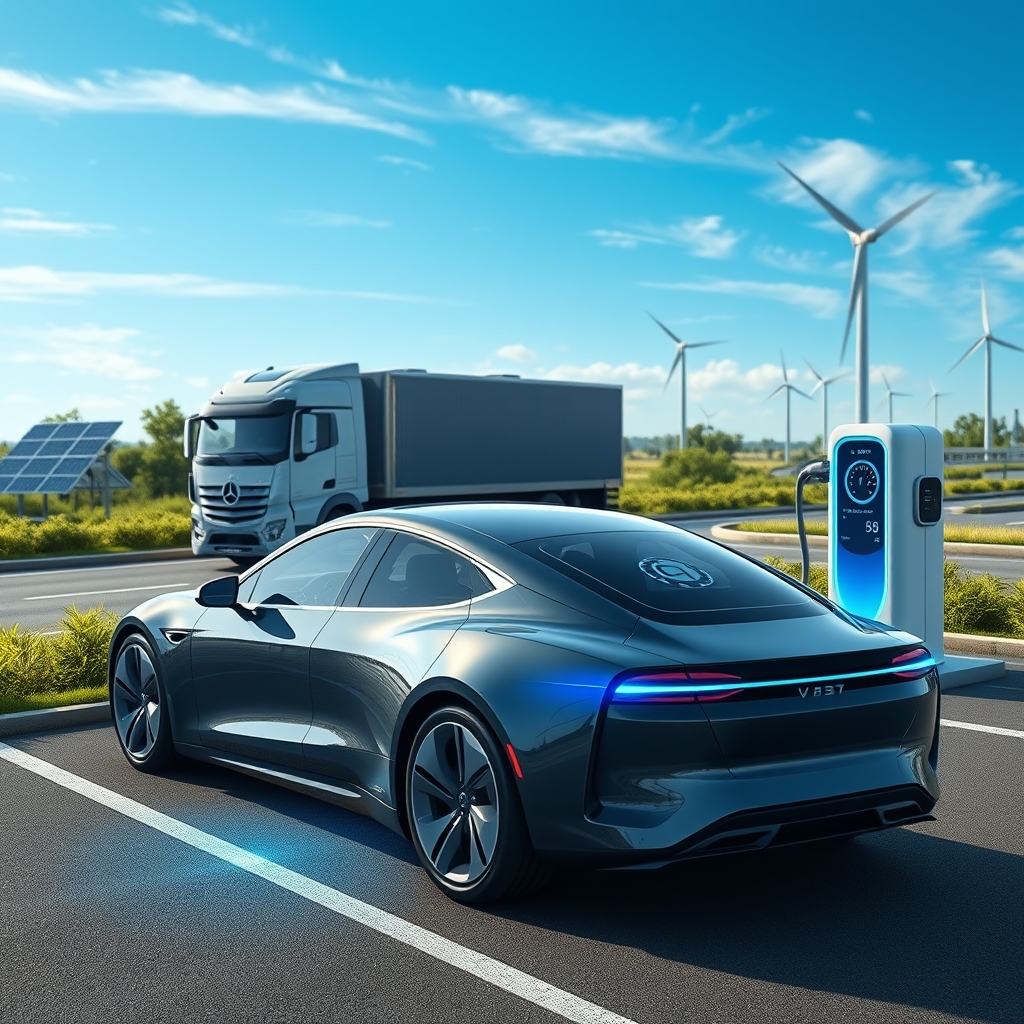
The transportation sector stands at a crossroads, where innovation and sustainability intersect to redefine how we move. As global emissions targets tighten and consumer demand for eco-friendly solutions grows, the race to achieve carbon neutral mobility has accelerated. From the silent hum of electric vehicles (EVs) gliding down urban streets to the quiet efficiency of hydrogen-powered trucks traversing highways, the future of transportation is being rewritten. Yet, the journey toward zero emissions is not a one-size-fits-all solution. Instead, it is a mosaic of technologies, each playing a critical role in reducing our carbon footprint while maintaining the performance, convenience, and affordability that drivers expect.
The Rise of Smart Charging Infrastructure
At the heart of the electric vehicle revolution lies smart charging infrastructure—a network designed to optimize energy distribution, reduce strain on the grid, and enhance the user experience. Unlike traditional charging stations, smart charging systems leverage artificial intelligence and real-time data to dynamically adjust power delivery based on grid demand, renewable energy availability, and vehicle requirements. For instance, during off-peak hours, when electricity is cheaper and cleaner, these systems can prioritize charging, ensuring that EVs draw power when it is most sustainable.
Moreover, vehicle-to-grid (V2G) technology is emerging as a game-changer, allowing EVs to not only consume energy but also feed it back into the grid during periods of high demand. This bidirectional flow transforms electric vehicles into mobile energy storage units, stabilizing the grid and reducing the need for fossil fuel-based peaker plants. As cities expand their smart charging networks, the integration of renewable energy sources like solar and wind becomes seamless, further reducing the carbon footprint of electric mobility.
Synthetic Fuels: A Bridge to Carbon Neutrality
While electric vehicles dominate headlines, synthetic fuels—also known as e-fuels—are quietly gaining traction as a complementary solution for achieving carbon neutral mobility. Produced by combining captured carbon dioxide with hydrogen derived from renewable energy, synthetic fuels offer a drop-in replacement for conventional gasoline and diesel. This means they can be used in existing internal combustion engines without requiring modifications, making them an attractive option for industries where electrification is challenging, such as aviation, shipping, and long-haul trucking.
The beauty of synthetic fuels lies in their carbon neutrality. When burned, they release the same amount of CO2 that was captured during their production, creating a closed-loop system. While their energy efficiency is lower than that of electric powertrains, their compatibility with existing infrastructure and engines makes them a pragmatic transitional technology. Countries like Germany and Chile are already investing in large-scale e-fuel production plants, signaling a shift toward a more diversified approach to sustainable transportation.
Hybrid Powertrains: The Best of Both Worlds
Hybrid powertrains have long been viewed as a stepping stone between traditional internal combustion engines and fully electric vehicles. However, advancements in hybrid technology are proving that they are far more than just a temporary solution. Modern hybrid systems combine the efficiency of electric motors with the range and refueling convenience of gasoline or diesel engines, offering a compelling balance for consumers who are not yet ready to commit to full electrification.
One of the most exciting developments in hybrid technology is the integration of regenerative braking systems, which capture kinetic energy during deceleration and store it in the battery for later use. This not only improves fuel efficiency but also extends the electric-only range of hybrid vehicles. Additionally, plug-in hybrid electric vehicles (PHEVs) allow drivers to charge their batteries externally, further reducing reliance on fossil fuels. As battery technology improves and charging infrastructure expands, hybrids are evolving into a long-term solution rather than a mere stopgap.
The Role of Battery Management Systems
Behind every efficient hybrid and electric vehicle lies a sophisticated battery management system (BMS). This unsung hero ensures that the battery operates within safe parameters, optimizes charging and discharging cycles, and extends the overall lifespan of the battery pack. A well-designed BMS can significantly enhance the performance and longevity of solid-state batteries, which are poised to revolutionize the EV industry with their higher energy density, faster charging times, and improved safety compared to traditional lithium-ion batteries.
As solid-state batteries move closer to commercialization, the role of the BMS becomes even more critical. These advanced batteries require precise thermal management to prevent overheating and degradation, and the BMS is responsible for monitoring and regulating temperature, voltage, and current in real time. The synergy between solid-state batteries and advanced BMS technology could unlock new levels of efficiency and range for electric vehicles, making them an even more attractive option for mainstream consumers.
Connected Car Technology and Autonomous Driving
The future of carbon neutral mobility is not just about what powers our vehicles but also how they interact with the world around them. Connected car technology and autonomous driving systems are transforming transportation into a smarter, safer, and more sustainable ecosystem. By leveraging real-time data, vehicle-to-everything (V2X) communication, and advanced sensors, connected cars can optimize routes, reduce congestion, and minimize energy consumption.
Autonomous driving systems take this a step further by enabling vehicles to operate with greater precision and efficiency than human drivers. For example, self-driving cars can maintain optimal speeds, avoid unnecessary acceleration and braking, and even platoon with other vehicles to reduce aerodynamic drag. When combined with electric or hydrogen powertrains, autonomous technology has the potential to drastically reduce emissions while improving safety and convenience. Companies like Tesla, Waymo, and Cruise are already testing autonomous electric vehicles in urban environments, offering a glimpse into a future where mobility is both sustainable and effortless.
The Road Ahead: A Multifaceted Approach to Sustainability
As we look to the future, it is clear that no single technology will dominate the path to carbon neutral mobility. Instead, a combination of smart charging infrastructure, synthetic fuels, hybrid powertrains, advanced battery systems, and connected car technology will work in tandem to create a sustainable transportation ecosystem. Each of these innovations addresses different challenges, from range anxiety and charging convenience to the decarbonization of hard-to-electrify sectors like aviation and shipping.
The transition to carbon neutral mobility is not just about reducing emissions; it is about reimagining how we move, how we power our vehicles, and how we interact with the world around us. By embracing a diversified approach that leverages the strengths of multiple technologies, we can accelerate the shift toward a greener, more sustainable future—one where the roads are quieter, the air is cleaner, and the possibilities are limitless. The journey has only just begun, and the innovations of today will pave the way for the breakthroughs of tomorrow, ensuring that the transportation sector remains at the forefront of the global sustainability movement.