Revolutionizing Logistics: How Intelligent Fuel Monitoring is Shaping Sustainable Transport
The logistics and transport industry stands at a crossroads, where efficiency and sustainability are no longer optional but essential. As global supply chains expand and environmental regulations tighten, businesses are increasingly turning to intelligent fuel monitoring and advanced fleet fueling solutions to stay competitive. These innovations are not just about reducing costs—they are about redefining how energy is consumed, tracked, and optimized across entire fleets.
The Rise of Predictive Fuel Analytics
Predictive fuel analytics is transforming the way companies manage their fuel consumption. By leveraging machine learning and real-time data, businesses can now anticipate fuel needs with unprecedented accuracy. Sensors embedded in vehicles collect data on driving patterns, engine performance, and external factors like traffic and weather conditions. This information is then processed to generate actionable insights, allowing fleet managers to optimize routes, reduce idle times, and minimize fuel waste.
The benefits of predictive analytics extend beyond immediate cost savings. Companies that adopt these systems often see a significant reduction in their carbon footprint, aligning with global efforts to achieve carbon-neutral fuel solutions. For instance, a logistics provider using predictive analytics might identify that a particular route consistently leads to higher fuel consumption due to traffic congestion. By rerouting vehicles or adjusting departure times, they can cut fuel use by up to 15%, while also reducing emissions.
Seamless Refueling and Optimized Logistics
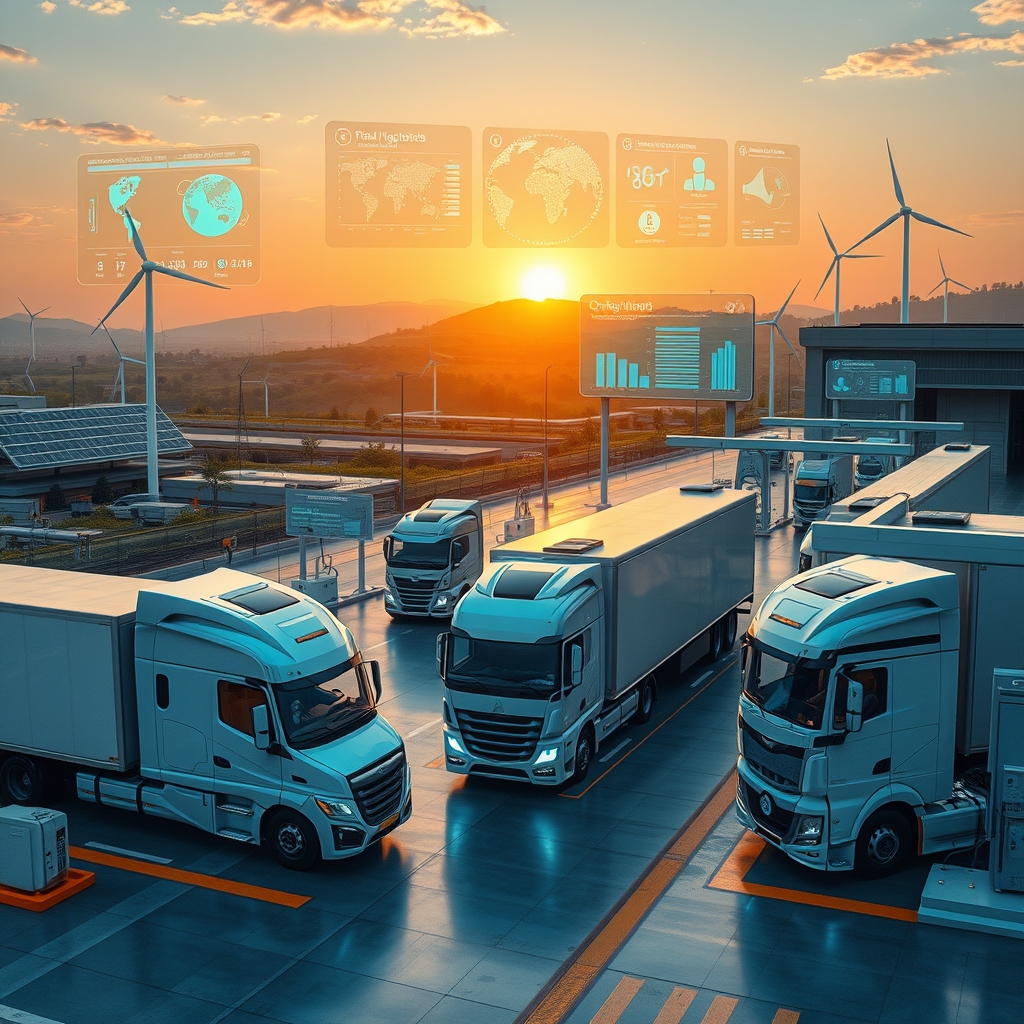
Refueling has traditionally been a logistical challenge, particularly for large fleets operating across vast distances. However, advancements in integrated fuel logistics are making the process more efficient and less disruptive. Automated refueling stations, equipped with IoT-enabled pumps and real-time consumption data, allow drivers to refuel quickly and without manual intervention. These systems can even predict when a vehicle will need refueling and direct it to the nearest station, ensuring minimal downtime.
Optimized logistics refueling goes hand in hand with transparent fuel tracking. Businesses can now monitor fuel levels, consumption rates, and refueling events in real time, eliminating discrepancies and preventing fuel theft. This level of transparency not only improves operational efficiency but also fosters accountability among drivers and fleet managers. For example, a company might use a centralized dashboard to track fuel usage across its entire fleet, identifying anomalies such as sudden spikes in consumption that could indicate inefficient driving habits or mechanical issues.
Eco-Conscious Fuel Selection: Beyond Traditional Options
The shift toward sustainable energy consumption has prompted businesses to explore alternative fuels that are both cost-effective and environmentally friendly. Biofuels, hydrogen, and electric power are no longer futuristic concepts but viable options for fleets looking to reduce their reliance on fossil fuels. Eco-conscious fuel selection involves evaluating the lifecycle emissions of different fuel types, as well as their compatibility with existing fleet infrastructure.
For instance, biodiesel, derived from renewable sources like vegetable oils and animal fats, can be used in existing diesel engines with little to no modification. It offers a lower carbon footprint compared to conventional diesel, making it an attractive option for companies committed to green fuel adoption. Similarly, electric vehicles (EVs) are gaining traction in urban logistics, where shorter routes and frequent stops make them ideal for last-mile deliveries. The key to successful eco-conscious fuel selection lies in balancing performance, cost, and sustainability—ensuring that the chosen fuel aligns with the fleet’s operational needs.
Data-Driven Energy Planning for Long-Term Success
Sustainable transport fueling is not just about the here and now; it requires a forward-thinking approach that leverages data to plan for the future. Data-driven energy planning involves analyzing historical fuel consumption patterns, market trends, and regulatory changes to make informed decisions about fuel procurement and usage. Companies that adopt this approach can lock in favorable fuel prices, hedge against market volatility, and ensure a steady supply of energy, even in uncertain times.
Advanced fleet fueling systems often include features like dynamic fuel budgeting, which adjusts spending based on real-time fuel prices and consumption rates. This level of adaptability is crucial for businesses operating in regions with fluctuating fuel costs or strict emissions regulations. For example, a logistics company might use predictive modeling to determine the optimal mix of fuel types for its fleet, balancing cost savings with compliance requirements. By taking a proactive stance on energy planning, businesses can future-proof their operations and stay ahead of the competition.
Creating a Seamless Refueling Experience
The refueling process is a critical touchpoint in the logistics chain, and its efficiency can have a ripple effect on overall operations. A seamless refueling experience is one where drivers spend minimal time at the pump, fuel is dispensed accurately, and data is captured automatically. Technologies like RFID-enabled fuel cards and mobile apps are making this a reality, allowing drivers to refuel quickly and securely without the need for manual record-keeping.
For fleet managers, a seamless refueling experience translates to better control over fuel costs and reduced administrative overhead. Automated systems can flag irregularities, such as unauthorized fuel purchases or discrepancies between expected and actual fuel levels, enabling quick corrective action. Additionally, these systems can integrate with other fleet management tools, providing a holistic view of vehicle performance and fuel efficiency. The result is a more streamlined, transparent, and efficient refueling process that benefits both drivers and managers.
As the logistics industry continues to evolve, the role of intelligent fuel monitoring and sustainable energy consumption will only grow in importance. Businesses that embrace these innovations are not just reducing costs or complying with regulations—they are reimagining what it means to operate efficiently in a world where every drop of fuel counts. The future of logistics lies in systems that are adaptive, data-driven, and eco-conscious, where every decision is informed by real-time insights and a commitment to sustainability. Those who lead the charge in this transformation will set the standard for the industry, proving that efficiency and environmental responsibility can go hand in hand.