
The Silent Revolution of Solid State Batteries and Autonomous Driving: Redefining Zero Emission Mobility for the Next Decade
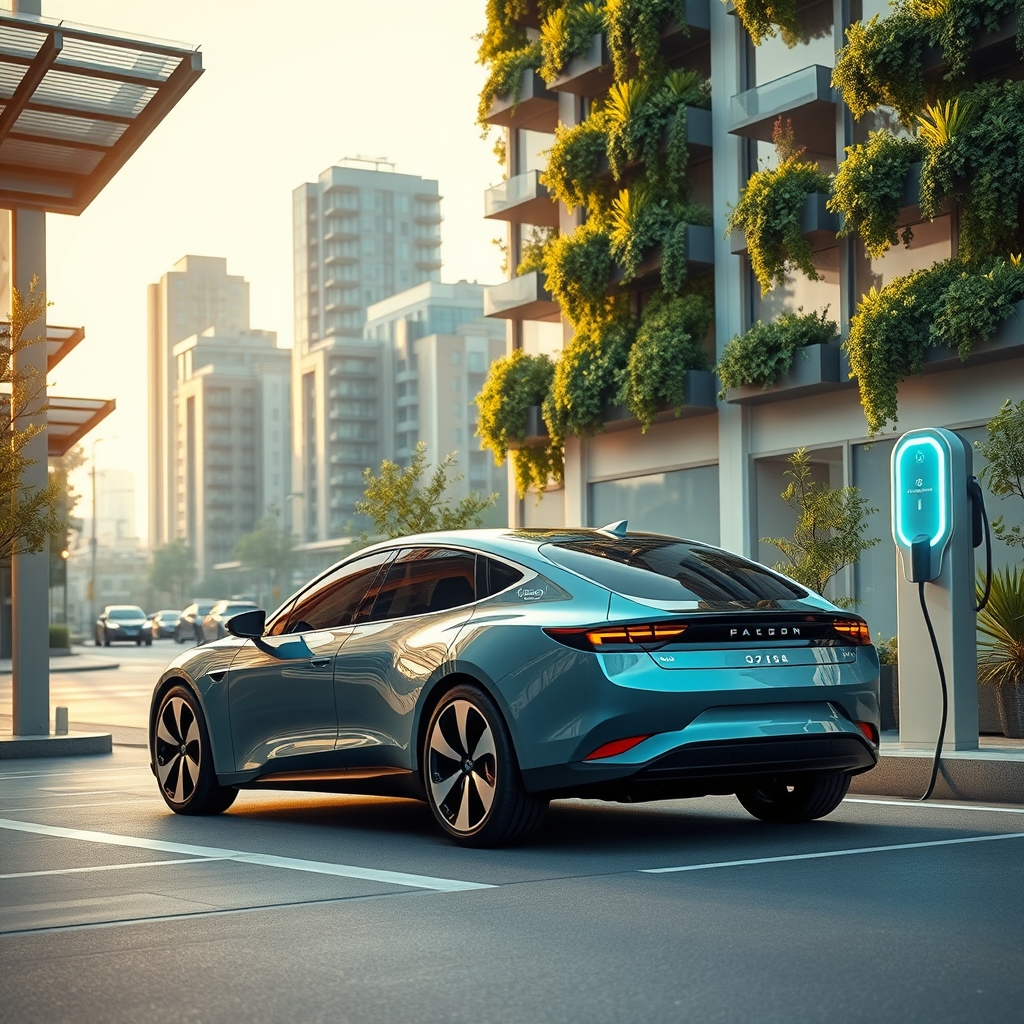
The automotive industry is undergoing a seismic shift, driven by the urgent need for sustainable transportation and the relentless pursuit of innovation. At the heart of this transformation lies the convergence of two groundbreaking technologies: solid state batteries and autonomous driving systems. Together, they are poised to redefine zero emission mobility, offering a glimpse into a future where efficiency, safety, and environmental stewardship coexist harmoniously.
The Quantum Leap: Solid State Batteries
For decades, lithium-ion batteries have been the backbone of electric vehicles (EVs), but their limitations—ranging from energy density to safety concerns—have spurred the search for alternatives. Enter solid state batteries, a technology that replaces the liquid or gel electrolyte found in conventional batteries with a solid counterpart. This seemingly simple change unlocks a host of advantages that could revolutionize the EV landscape.
One of the most compelling benefits of solid state batteries is their potential for significantly higher energy density. By eliminating the liquid electrolyte, these batteries can store more energy in the same amount of space, extending the driving range of EVs without increasing their size or weight. This addresses one of the most persistent challenges of electric mobility: range anxiety. Imagine an EV capable of traveling over 600 miles on a single charge, rivaling the range of traditional internal combustion engine vehicles while producing zero emissions.
Safety is another critical advantage. Liquid electrolytes in lithium-ion batteries are flammable and can pose a risk of thermal runaway—a dangerous chain reaction that can lead to fires or explosions. Solid state batteries, by contrast, are inherently more stable and less prone to such risks, making them a safer option for both manufacturers and consumers. This enhanced safety profile could accelerate the adoption of EVs, particularly in markets where concerns about battery fires have been a barrier.
The Role of Battery Management Systems
While solid state batteries hold immense promise, their performance and longevity depend heavily on sophisticated battery management systems (BMS). These systems monitor and regulate critical parameters such as temperature, voltage, and state of charge to ensure optimal performance and safety. In the context of solid state batteries, a BMS must be even more precise, as the technology is still in its relative infancy and requires careful calibration to maximize its potential.
A well-designed BMS can extend the lifespan of solid state batteries by preventing overcharging, deep discharging, and excessive heat buildup. It can also enable faster charging times, another key factor in the widespread adoption of EVs. As solid state battery technology matures, the role of BMS will become increasingly vital, acting as the brain that ensures these advanced power sources operate at peak efficiency.
The Autonomous Edge: Redefining Mobility
Autonomous driving systems represent the other half of this revolutionary equation. By leveraging artificial intelligence, machine learning, and advanced sensor technologies, autonomous vehicles (AVs) promise to transform the way we move, making transportation safer, more efficient, and more accessible. When combined with solid state batteries, the potential for zero emission mobility becomes even more compelling.
One of the most significant advantages of autonomous driving is its potential to reduce traffic congestion and improve fuel efficiency. AVs can communicate with each other and with smart infrastructure to optimize routes, reduce idle time, and minimize energy consumption. This is particularly important for EVs, where every kilowatt-hour of energy saved translates into extended range and reduced environmental impact. Regenerative braking, a feature already common in many EVs, can be further optimized in autonomous vehicles to recover even more energy during deceleration.
Safety is another area where autonomous driving systems shine. Human error is a leading cause of accidents on the road, and AVs have the potential to drastically reduce these incidents by eliminating factors such as distracted driving, fatigue, and impaired judgment. When paired with the enhanced safety of solid state batteries, autonomous EVs could set a new standard for road safety while maintaining a zero emission footprint.
The Synergy of Connected Car Technology
Connected car technology is the glue that binds solid state batteries and autonomous driving systems together. By enabling real-time data exchange between vehicles, infrastructure, and the cloud, connected car technology enhances the capabilities of both technologies. For example, AVs can use this data to predict traffic patterns, adjust their routes dynamically, and even communicate with charging stations to ensure seamless access to smart charging infrastructure.
For solid state batteries, connected car technology can provide valuable insights into battery health, usage patterns, and charging behavior. This data can be used to optimize battery performance, predict maintenance needs, and even extend the lifespan of the battery pack. Additionally, connected car technology can facilitate vehicle-to-grid (V2G) integration, allowing EVs to feed energy back into the grid during peak demand periods, further enhancing the sustainability of the transportation ecosystem.
The Road to Carbon Neutral Mobility
The convergence of solid state batteries and autonomous driving systems is not just about technological advancement; it is about reimagining the future of mobility. As these technologies mature, they will play a pivotal role in achieving carbon neutral mobility, a goal that is becoming increasingly urgent in the face of climate change. By reducing emissions, improving efficiency, and enhancing safety, solid state batteries and autonomous driving systems offer a pathway to a more sustainable and equitable transportation future.
Yet, the journey is not without its challenges. The development and commercialization of solid state batteries require significant investment in research and development, as well as collaboration across industries. Similarly, the widespread adoption of autonomous driving systems depends on regulatory frameworks, public trust, and the development of robust smart infrastructure. However, the potential rewards—cleaner air, safer roads, and a more efficient transportation system—are well worth the effort.
As we stand on the cusp of this silent revolution, it is clear that the future of mobility is not just about replacing the internal combustion engine with electric powertrains. It is about rethinking the entire transportation ecosystem, from the way we power our vehicles to the way we navigate our roads. Solid state batteries and autonomous driving systems are not just technologies; they are the building blocks of a new era, one where zero emission mobility is not just a possibility, but a reality that shapes our world for generations to come.