The Future of Connected Car Technology and Zero Emission Vehicles: How Smart Systems Are Driving Sustainable Mobility Forward
The automotive industry is undergoing a seismic shift, driven by the urgent need for sustainable transportation and the rapid advancement of technology. At the heart of this transformation lies the convergence of connected car technology and zero emission vehicles (ZEVs), two pillars that are reshaping how we think about mobility. While electric vehicles (EVs) and hydrogen fuel cells dominate conversations about sustainability, it is the integration of smart systems that will ultimately determine the success of this transition. These technologies are not just complementary; they are symbiotic, creating a ecosystem where efficiency, convenience, and environmental responsibility coexist.
The Rise of Connected Car Technology
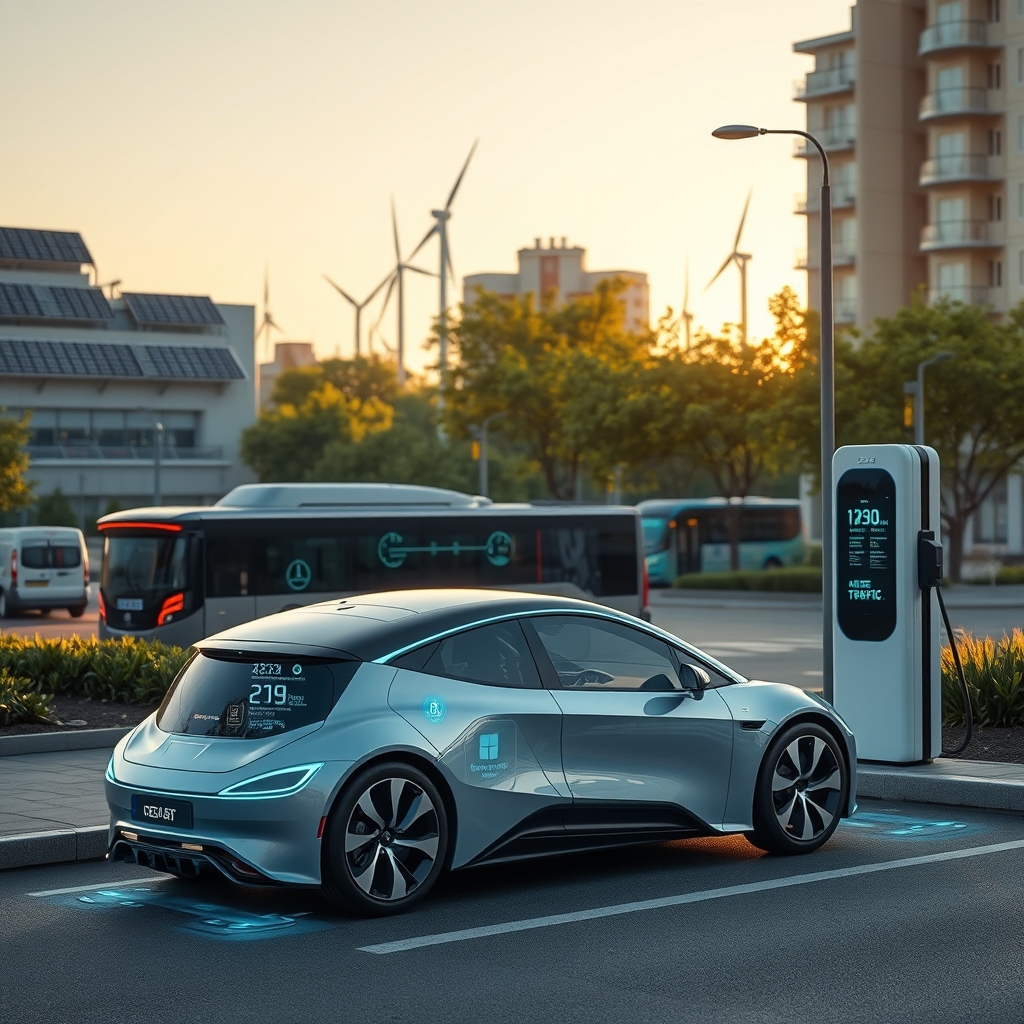
Connected car technology is no longer a futuristic concept—it is a present-day reality that is redefining the driving experience. From real-time traffic updates and predictive maintenance to over-the-air software updates and advanced driver-assistance systems (ADAS), connectivity is enhancing every aspect of vehicle operation. At its core, connected car technology relies on a network of sensors, cameras, and communication modules that enable vehicles to interact with each other, infrastructure, and even pedestrians. This level of integration is not just about convenience; it is a critical enabler for autonomous driving systems and smart charging infrastructure.
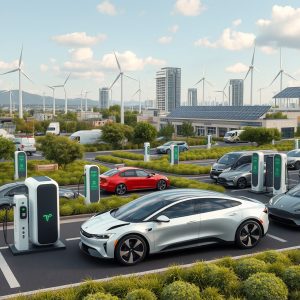
One of the most significant benefits of connected car technology is its ability to optimize energy consumption. For instance, vehicles equipped with battery management systems (BMS) can leverage real-time data to adjust charging cycles, monitor battery health, and even predict range based on driving patterns. This is particularly crucial for electric vehicles, where range anxiety remains a barrier to widespread adoption. By integrating with smart charging infrastructure, connected cars can schedule charging during off-peak hours, reducing strain on the grid and lowering costs for consumers. Moreover, vehicle-to-grid (V2G) technology allows EVs to feed excess energy back into the grid, turning them into mobile energy storage units that support renewable energy integration.
The Role of Zero Emission Vehicles in Sustainable Mobility
While connected car technology enhances the efficiency of all vehicles, its true potential is unlocked when paired with zero emission powertrains. Electric vehicles, powered by solid state batteries or lithium-ion cells, are leading the charge toward a carbon-neutral future. However, they are not the only players in this space. Hydrogen fuel cells offer a compelling alternative, particularly for long-haul transportation and heavy-duty applications, where battery weight and charging times pose challenges. Hydrogen-powered vehicles emit only water vapor, making them a true zero-emission solution, provided the hydrogen is produced using renewable energy sources.
Another promising avenue is the development of synthetic fuels and renewable diesel, which can be used in existing internal combustion engines (ICEs) with minimal modifications. These fuels are produced using carbon capture technology and renewable energy, resulting in a net-zero carbon footprint. While they do not eliminate tailpipe emissions entirely, they offer a transitional solution for industries that rely on ICEs, such as aviation and shipping. When combined with exhaust aftertreatment systems, synthetic fuels can significantly reduce the environmental impact of traditional powertrains, bridging the gap between today’s infrastructure and a fully zero-emission future.
The Synergy of Smart Systems and Sustainable Powertrains
The true power of connected car technology lies in its ability to enhance the performance of zero emission vehicles. For example, regenerative braking systems, which capture kinetic energy during deceleration and convert it into electrical energy, are far more effective when integrated with predictive algorithms. Connected cars can anticipate traffic patterns, road gradients, and even weather conditions to optimize regenerative braking, extending the range of electric vehicles and improving overall efficiency. Similarly, hybrid powertrains, which combine an internal combustion engine with an electric motor, can leverage real-time data to switch between power sources seamlessly, maximizing thermal efficiency and minimizing emissions.
Connected car technology also plays a pivotal role in the deployment of autonomous driving systems. Self-driving vehicles rely on a constant stream of data from sensors, cameras, and external sources to navigate safely and efficiently. When paired with zero emission powertrains, autonomous vehicles can further reduce emissions by optimizing routes, reducing idle time, and minimizing energy consumption. For instance, an autonomous electric vehicle can plan its route to avoid traffic congestion, take advantage of downhill slopes for regenerative braking, and even park itself in a location where it can recharge wirelessly. This level of optimization is only possible through the seamless integration of connectivity and sustainable technology.
Overcoming Challenges and Embracing Opportunities
Despite the clear benefits, the widespread adoption of connected zero emission vehicles faces several challenges. One of the most significant hurdles is the need for robust smart charging infrastructure. While progress has been made in expanding charging networks, gaps remain, particularly in rural and underserved areas. Additionally, the integration of V2G technology requires upgrades to the electrical grid, as well as standardized protocols for communication between vehicles and infrastructure. Governments, utilities, and automakers must collaborate to address these challenges, ensuring that the transition to sustainable mobility is inclusive and equitable.
Another critical consideration is cybersecurity. As vehicles become more connected, they also become more vulnerable to cyber threats. Protecting sensitive data and ensuring the integrity of vehicle systems is paramount, particularly as autonomous driving technology advances. Automakers and technology providers must invest in robust cybersecurity measures, including encryption, authentication, and intrusion detection systems, to safeguard against potential attacks. The stakes are high, as a breach could not only compromise user privacy but also pose safety risks.
The Road Ahead: A Holistic Approach to Sustainable Mobility
The future of transportation is not just about replacing gasoline with electricity or hydrogen; it is about reimagining the entire mobility ecosystem. Connected car technology and zero emission vehicles are two sides of the same coin, each enhancing the other’s potential. By leveraging real-time data, predictive analytics, and smart infrastructure, we can create a transportation system that is not only sustainable but also safer, more efficient, and more convenient. The shift toward carbon-neutral mobility is not a distant dream—it is an achievable reality, provided we embrace the synergy between technology and sustainability. As we stand on the cusp of this transformation, the choices we make today will shape the way we move for generations to come, proving that the road to a greener future is not just paved with good intentions, but with innovation, collaboration, and a shared commitment to change.