
The Unsung Heroes: How Fuel Delivery Modules and Modern Injection Systems Work Together
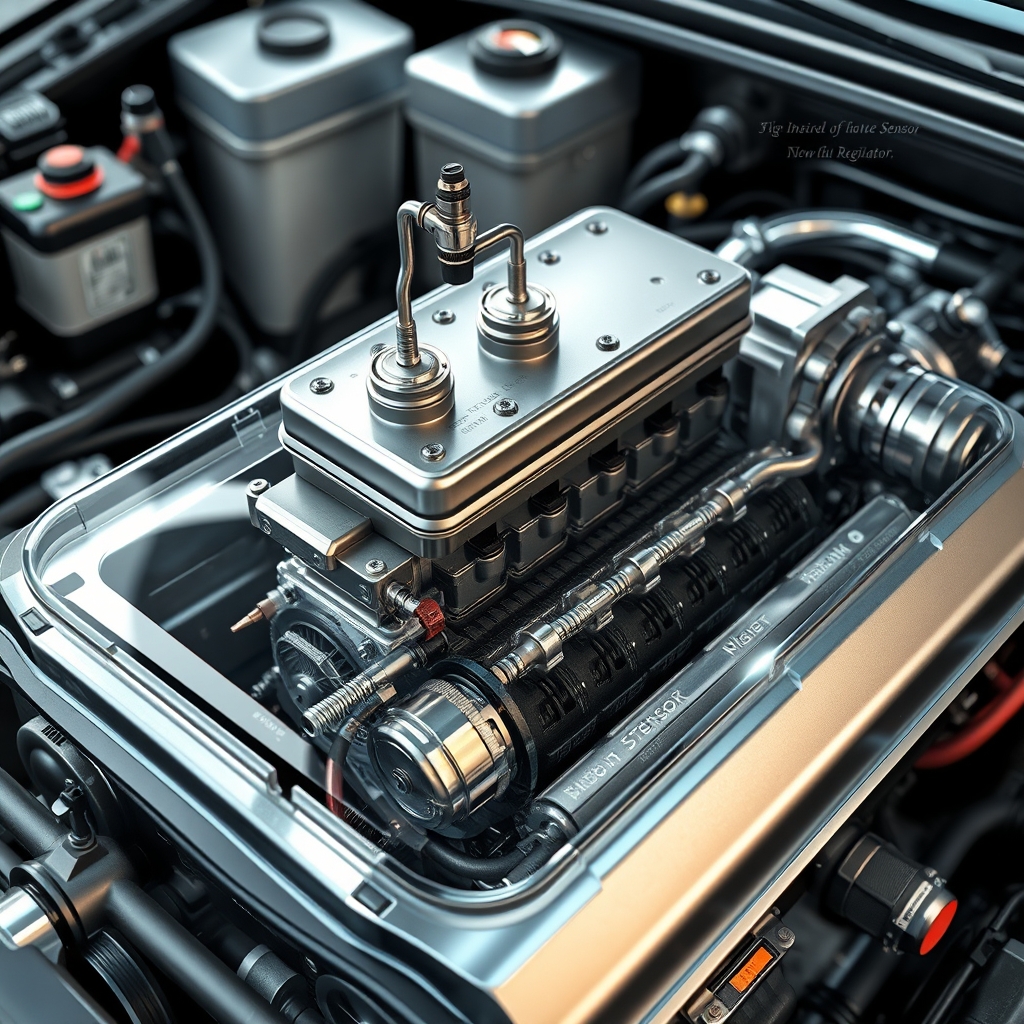
Modern engines are marvels of precision engineering, where every component plays a critical role in ensuring optimal performance, efficiency, and reliability. Among these components, the fuel delivery module and advanced injection systems stand out as the backbone of an engine’s fuel management. While drivers often take smooth acceleration and consistent power for granted, the seamless operation of these systems is what makes it all possible. Understanding how these technologies work together can deepen appreciation for the intricate dance happening under the hood every time the ignition turns over.
The Fuel Delivery Module: The Heart of Fuel Supply
The fuel delivery module is an often-overlooked assembly that serves as the central hub for fuel distribution in modern vehicles. Located inside the fuel tank, this module integrates several key components, including the fuel pump, fuel level sending unit, fuel filter, and sometimes even the fuel pressure regulator. Its primary function is to draw fuel from the tank and deliver it to the engine at the correct pressure and flow rate, ensuring that the fuel injection system operates efficiently under all driving conditions.
One of the most critical elements within the fuel delivery module is the fuel pump. In many modern vehicles, dual-stage fuel pumps are used to provide consistent fuel pressure, whether the engine is idling or operating under heavy load. The first stage of the pump handles low-pressure fuel delivery, while the second stage kicks in to boost pressure when demand increases, such as during rapid acceleration or high-speed driving. This dual-stage approach ensures that the engine never starves for fuel, even during sudden changes in throttle position.
The Role of the Fuel Tank Vent Valve and Carbon Canister Purge Valve
While the fuel delivery module focuses on supplying fuel, other components work in tandem to maintain system integrity and reduce emissions. The fuel tank vent valve, for instance, prevents pressure buildup in the fuel tank by allowing vapors to escape. These vapors are then routed to the carbon canister, where they are stored until the engine is running and the carbon canister purge valve opens to release them into the intake manifold for combustion. This process not only reduces harmful emissions but also prevents fuel vapor lock, which can disrupt fuel flow and engine performance.
Direct Fuel Injection: Precision at Its Finest
At the other end of the fuel delivery system lies the fuel injection technology, which has evolved dramatically over the past few decades. Direct fuel injection (DFI) represents the pinnacle of this evolution, offering unparalleled precision in fuel delivery. Unlike older systems like throttle body injection or multi-point fuel injection, which spray fuel into the intake manifold, DFI injects fuel directly into the combustion chamber. This allows for more accurate control over the air-fuel mixture, leading to improved combustion efficiency, higher power output, and reduced emissions.
The high-pressure fuel pump is a key enabler of DFI systems. Operating at pressures up to 2,000 psi or more, this pump ensures that fuel is delivered to the injectors at the exact moment it is needed. The fuel rail pressure sensor monitors this pressure in real-time, providing feedback to the engine control unit (ECU) to make instantaneous adjustments. This level of precision is what allows modern engines to achieve such impressive levels of performance and fuel economy.
Sequential Port Injection and Common Rail Diesel Systems
While DFI is highly effective, it is not the only advanced injection technology in use today. Sequential port injection (SPI) is another popular system, particularly in gasoline engines. Unlike batch-fire injection systems, which deliver fuel to all cylinders simultaneously, SPI injects fuel into each cylinder’s intake port just before the intake valve opens. This timing ensures that the fuel is optimally mixed with air before entering the combustion chamber, improving efficiency and reducing emissions.
For diesel engines, common rail diesel injection (CRDI) systems have revolutionized performance and efficiency. In a CRDI system, fuel is stored in a high-pressure rail and delivered to the injectors at pressures exceeding 25,000 psi. This allows for multiple injection events per combustion cycle, including pilot injections to reduce noise and post-injections to improve emissions. The result is a smoother, quieter, and more efficient diesel engine that meets stringent emissions standards without sacrificing power.
Maintaining Peak Performance: Fuel System Care
Given the complexity and precision of modern fuel delivery and injection systems, proper maintenance is essential to ensure longevity and performance. One of the simplest yet most effective maintenance tasks is the use of fuel injector cleaner. Over time, deposits can build up on fuel injectors, disrupting the spray pattern and reducing efficiency. A high-quality fuel injector cleaner can dissolve these deposits, restoring optimal fuel flow and improving engine performance.
Regular fuel filter replacement is another critical maintenance task. The fuel filter protects the fuel injectors and other components from contaminants that can cause wear or clogging. In returnless fuel systems, where fuel pressure is regulated at the tank rather than the engine, the fuel filter is often integrated into the fuel delivery module, making replacement slightly more involved but no less important. Neglecting this task can lead to reduced fuel flow, poor engine performance, and even damage to the fuel pump or injectors.
The Importance of Flex Fuel Sensors and High Flow Fuel Rails
As vehicles become more advanced, so too do the systems that support alternative fuels. Flex fuel sensors, for example, allow engines to run on a variety of ethanol-gasoline blends by detecting the ethanol content in the fuel and adjusting the air-fuel mixture accordingly. This flexibility enables drivers to take advantage of lower-cost or more environmentally friendly fuel options without sacrificing performance.
High flow fuel rails are another innovation that enhances performance, particularly in high-output engines. These rails are designed to deliver fuel to the injectors with minimal pressure drop, ensuring that even under heavy load, the engine receives the fuel it needs to perform at its best. Whether in a high-performance gasoline engine or a turbocharged diesel, high flow fuel rails play a crucial role in maintaining consistent fuel delivery.
Every time a driver presses the accelerator, a symphony of precision-engineered components springs into action. From the fuel delivery module nestled in the tank to the high-pressure fuel pump and advanced injectors, each part works in harmony to deliver the perfect blend of fuel and air. The result is an engine that responds instantly, runs efficiently, and meets the demands of modern driving. While these systems often operate behind the scenes, their impact is felt in every mile driven, making them the true unsung heroes of automotive engineering.