The Dual Fuel Combustion Revolution: How Innovation is Redefining Efficiency and Sustainability in Modern Engines
In the ever-evolving landscape of automotive technology, the quest for efficiency and sustainability has led to groundbreaking innovations. Among these, dual fuel combustion stands out as a transformative approach that bridges the gap between traditional internal combustion engines and the zero-emission future. By combining the strengths of two distinct fuel sources, this technology is not only enhancing performance but also significantly reducing the environmental footprint of modern mobility.
The Science Behind Dual Fuel Combustion
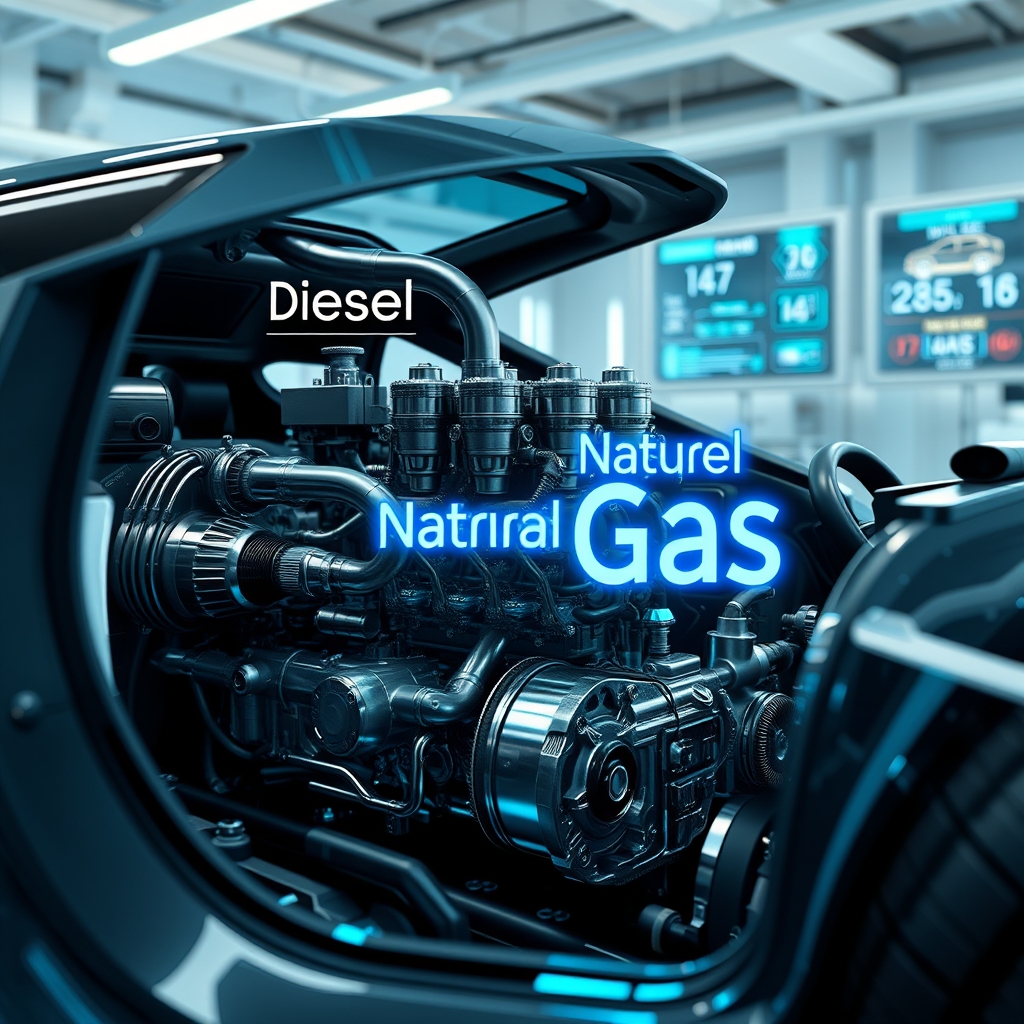
Dual fuel combustion is an advanced engine technology that utilizes two different fuels simultaneously to optimize combustion efficiency and minimize emissions. Typically, one fuel serves as the primary energy source, while the other acts as an ignition enhancer or a supplementary fuel. For instance, a common configuration involves diesel as the primary fuel, with natural gas or hydrogen introduced as the secondary fuel. This combination leverages the high energy density of diesel while benefiting from the cleaner combustion characteristics of the secondary fuel.
The process begins with the injection of a small quantity of diesel fuel into the combustion chamber, which ignites under compression. This ignition then triggers the combustion of the secondary fuel, which is often introduced into the intake air. The result is a more complete and controlled combustion process, leading to improved thermal efficiency and reduced emissions of pollutants such as nitrogen oxides (NOx) and particulate matter (PM).
Advantages Over Traditional Powertrains
One of the most compelling advantages of dual fuel combustion is its ability to deliver near-zero emission levels without the need for a complete overhaul of existing engine architectures. Unlike fully electric or hydrogen fuel cell vehicles, which require entirely new infrastructure and powertrain designs, dual fuel systems can be retrofitted into existing internal combustion engines. This makes them a cost-effective and scalable solution for reducing emissions in the short to medium term.
Moreover, dual fuel combustion offers superior fuel flexibility. By adjusting the ratio of the two fuels, engines can adapt to varying operational demands, such as load conditions or fuel availability. This adaptability is particularly valuable in regions where access to a single type of fuel may be limited or where fuel prices fluctuate significantly. For example, in areas with abundant natural gas resources, engines can be tuned to rely more heavily on this cleaner-burning fuel, thereby reducing both costs and emissions.
Environmental and Economic Benefits
The environmental benefits of dual fuel combustion are substantial. By optimizing the combustion process, these systems can achieve significant reductions in greenhouse gas emissions, including carbon dioxide (CO2), compared to conventional diesel or gasoline engines. Additionally, the use of cleaner secondary fuels, such as hydrogen or biofuels, can further enhance these benefits, bringing vehicles closer to achieving carbon-neutral mobility.
From an economic perspective, dual fuel combustion presents a compelling case for fleet operators and individual consumers alike. The ability to utilize lower-cost fuels, such as natural gas or renewable diesel, can lead to substantial savings over time. Furthermore, the reduced wear and tear on engine components, thanks to cleaner combustion, can lower maintenance costs and extend the lifespan of the powertrain. These economic advantages make dual fuel systems an attractive option for businesses and consumers looking to balance performance, cost,fficiency, and sustainability.
Challenges and Future Prospects
Despite its many advantages, dual fuel combustion is not without its challenges. One of the primary hurdles is the need for precise control over the fuel injection and combustion processes. Achieving the optimal balance between the two fuels requires advanced engine management systems and sophisticated sensors, which can add complexity and cost to the system. Additionally, the infrastructure for distributing and storing secondary fuels, such as hydrogen or natural gas, is still underdeveloped in many regions, posing a barrier to widespread adoption.
However, ongoing advancements in technology are steadily addressing these challenges. The development of more robust and intelligent battery management systems, for instance, is enabling finer control over fuel delivery and combustion. Similarly, the expansion of smart charging infrastructure and hydrogen refueling stations is gradually improving the accessibility of alternative fuels. As these technologies mature, dual fuel combustion is poised to play a pivotal role in the transition to a more sustainable transportation ecosystem.
Integration with Other Sustainable Technologies
Dual fuel combustion does not exist in isolation; it is part of a broader ecosystem of sustainable technologies that are reshaping the automotive industry. For example, the integration of dual fuel systems with hybrid powertrains can further enhance efficiency by capturing and reusing energy through regenerative braking. This synergy allows vehicles to operate in electric mode during low-speed driving or idling, reducing fuel consumption and emissions even further.
Connected car technology also holds significant potential for optimizing dual fuel combustion. By leveraging real-time data from sensors and external sources, vehicles can dynamically adjust their fuel ratios based on driving conditions, traffic patterns, and even weather forecasts. This level of intelligence not only improves efficiency but also enhances the overall driving experience, making vehicles more responsive and adaptable to the needs of the driver.
As the automotive industry continues to evolve, the role of dual fuel combustion in achieving carbon-neutral mobility cannot be overstated. While zero-emission vehicles like electric and hydrogen fuel cell cars dominate the conversation about the future of transportation, dual fuel systems offer a pragmatic and immediate solution for reducing emissions in the here and now. By combining the best of both worlds—efficiency and sustainability—this technology is helping to pave the way for a cleaner, greener, and more resilient transportation future. The journey toward zero emissions is not a sprint but a marathon, and dual fuel combustion is proving to be a vital stride in the right direction.