The Pulse of Progress: How Regenerative Braking and Smart Charging Infrastructure Are Electrifying the Future of Mobility
The hum of an electric motor is no longer a whisper of the future—it’s the soundtrack of today’s roads. As the world accelerates toward carbon-neutral mobility, two technologies are emerging as the unsung heroes of this transformation: regenerative braking and smart charging infrastructure. Together, they are not just enhancing the efficiency of electric vehicles (EVs) but redefining how we think about energy, sustainability, and the very act of driving.
The Science Behind the Silence: How Regenerative Braking Works
Regenerative braking is one of those innovations that feels almost like magic. Unlike traditional braking systems, which dissipate kinetic energy as heat through friction, regenerative braking captures that energy and converts it back into usable electricity. When a driver presses the brake pedal in an EV, the electric motor reverses its role, acting as a generator. The wheels, still in motion, drive the motor, which then feeds energy back into the battery. This process doesn’t just slow the vehicle down—it replenishes its power source.
The efficiency gains from regenerative braking are nothing short of remarkable. In urban driving, where stop-and-go traffic is the norm, regenerative systems can recover up to 30% of the energy that would otherwise be lost. This extends the vehicle’s range, reduces wear on traditional brake components, and—most importantly—lowers the overall energy demand of the vehicle. For drivers, this translates to fewer charging stops, longer battery life, and a smoother, more responsive driving experience.
The Role of Battery Management Systems in Maximizing Efficiency
Of course, regenerative braking doesn’t work in isolation. Its effectiveness is deeply intertwined with the vehicle’s battery management system (BMS), a sophisticated network of sensors and software that monitors and optimizes battery performance. The BMS ensures that the energy captured during braking is stored efficiently, balancing charge levels across battery cells to prevent overloading or degradation. It also plays a critical role in thermal management, keeping the battery within its optimal temperature range to maintain efficiency and longevity.
Modern BMS technology goes beyond mere energy storage. It uses predictive algorithms to anticipate driving conditions, adjusting regenerative braking intensity based on factors like terrain, traffic, and even the driver’s habits. For example, if the system detects a downhill stretch ahead, it may increase regenerative braking to maximize energy recovery. Conversely, on a flat highway, it might reduce regeneration to prioritize coasting efficiency. This level of intelligence doesn’t just improve range—it transforms the driving experience into something more intuitive and dynamic.
The Backbone of the EV Revolution: Smart Charging Infrastructure
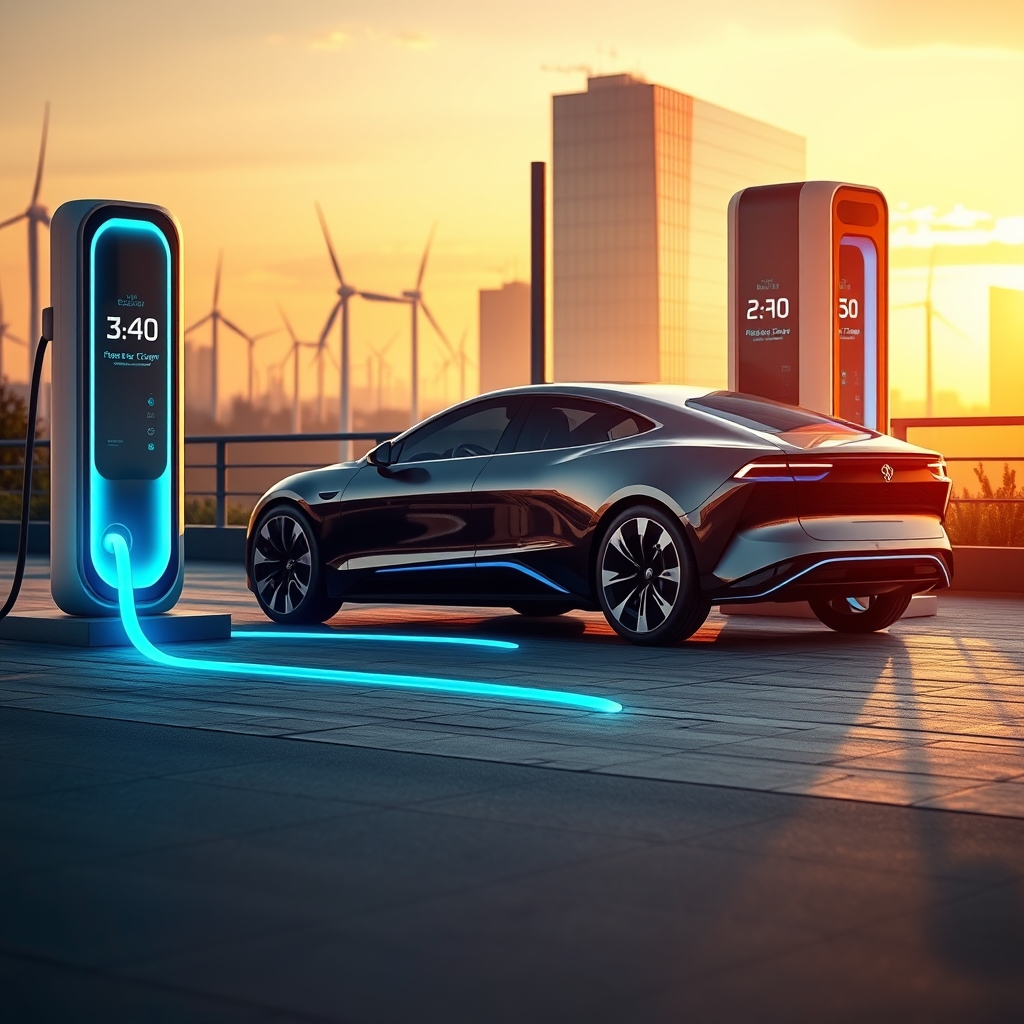
While regenerative braking captures energy on the move, smart charging infrastructure ensures that energy is available when and where it’s needed. The shift to electric mobility isn’t just about the vehicles themselves—it’s about building an ecosystem that supports them. Smart charging goes beyond the traditional plug-and-pray approach, leveraging connectivity, data, and automation to create a seamless, efficient, and sustainable charging experience.
At its core, smart charging is about optimization. It allows vehicles to communicate with the grid, adjusting charging times based on electricity demand, renewable energy availability, and even the driver’s schedule. For instance, if a driver plugs in their EV at night, the system might delay charging until the early morning hours when wind energy production is at its peak. This not only reduces the carbon footprint of the charging process but also helps stabilize the grid by balancing supply and demand.
Vehicle-to-Grid: The Next Frontier in Energy Management
The potential of smart charging extends even further with vehicle-to-grid (V2G) technology. V2G systems enable EVs to not only draw power from the grid but also feed energy back into it. Imagine a fleet of parked EVs acting as a distributed energy storage network, supplying electricity during peak demand or emergencies. This bidirectional flow of energy could revolutionize how we manage power, turning EVs into mobile energy assets rather than mere consumers.
For V2G to reach its full potential, however, it requires a robust and intelligent charging infrastructure. This means installing chargers equipped with advanced communication protocols, integrating them with renewable energy sources, and developing software that can manage the complex interplay between vehicles, grids, and energy markets. Cities like Amsterdam and Los Angeles are already piloting V2G projects, demonstrating how this technology can create a more resilient and sustainable energy ecosystem.
The Human Element: How These Technologies Enhance the Driving Experience
Beyond the technical marvels, regenerative braking and smart charging are fundamentally about enhancing the relationship between drivers and their vehicles. Regenerative braking, for instance, creates a more engaging driving experience. The instant feedback when lifting off the accelerator—feeling the car slow down while simultaneously recharging—adds a layer of interaction that traditional vehicles simply can’t match. It’s a subtle but powerful reminder that every action behind the wheel is part of a larger energy cycle.
Smart charging, on the other hand, alleviates one of the biggest pain points of EV ownership: range anxiety. By ensuring that charging is convenient, predictable, and integrated into daily routines, it removes the friction that has historically deterred potential EV adopters. Features like remote monitoring, automated scheduling, and real-time energy pricing empower drivers to take control of their energy usage, making sustainability a seamless part of their lives.
The Ripple Effect: Sustainability Beyond the Vehicle
The impact of these technologies extends far beyond individual vehicles. Regenerative braking and smart charging are key enablers of a broader shift toward sustainable transportation. By reducing the energy demand of EVs, they lower the strain on power grids and decrease the need for additional energy generation—much of which still comes from fossil fuels. When paired with renewable energy sources, they create a virtuous cycle where clean energy powers clean transportation, further reducing emissions and environmental impact.
Moreover, the data generated by smart charging infrastructure can inform urban planning and policy decisions. Cities can use this information to optimize charging station placement, incentivize off-peak charging, and even integrate EVs into public transportation networks. The result is a transportation ecosystem that is not only greener but also more efficient, equitable, and resilient.
As the world races toward a zero-emission future, the quiet innovations of regenerative braking and smart charging are proving that the path to sustainability is not just about replacing old technologies with new ones. It’s about reimagining how we interact with energy, how we design our cities, and how we move through the world. The road ahead is electric, and with every mile driven, these technologies are charging not just our vehicles, but the very future of mobility itself.