The Next Wave of Sustainable Transport: How Advanced Fleet Fueling is Redefining Eco-Conscious Logistics
In an era where sustainability is no longer a choice but a necessity, industries worldwide are rethinking their energy consumption strategies. The logistics and transport sector, in particular, stands at the forefront of this transformation, where every drop of fuel counts—not just for operational efficiency but for the planet’s future. Advanced fleet fueling is emerging as a game-changer, blending cutting-edge technology with eco-conscious practices to create a smarter, greener, and more cost-effective approach to energy management.
The Evolution of Fuel Management: From Reactive to Predictive
Traditional fuel management often relied on reactive measures—refueling when tanks ran low, analyzing consumption patterns after the fact, and making adjustments based on historical data. While this approach served its purpose, it left little room for optimization or proactive decision-making. Today, the shift toward predictive fuel analytics is revolutionizing how fleets operate. By leveraging real-time consumption data, machine learning algorithms, and IoT-enabled sensors, logistics companies can now anticipate fuel needs with unprecedented accuracy.
Predictive analytics doesn’t just track fuel usage; it identifies inefficiencies before they escalate. For example, a fleet manager can receive alerts about abnormal fuel consumption in a specific vehicle, allowing them to investigate potential issues like engine malfunctions, driver behavior, or route inefficiencies. This level of insight transforms fuel management from a reactive chore into a strategic advantage, reducing waste and lowering operational costs.
Real-Time Data: The Pulse of Modern Fuel Logistics
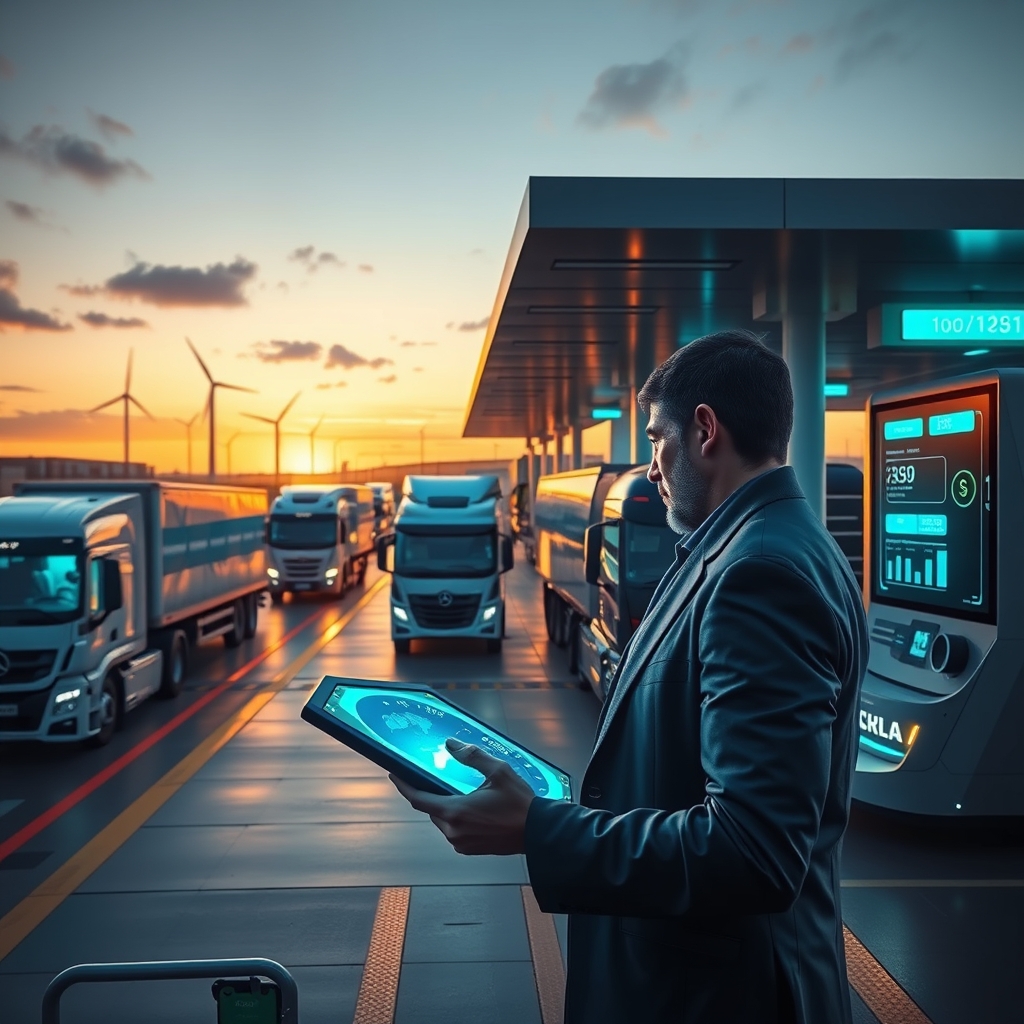
The backbone of advanced fleet fueling lies in real-time consumption data. Gone are the days when fuel tracking was limited to manual logs or delayed reports. Today, telematics systems and cloud-based platforms provide instant visibility into fuel levels, consumption rates, and refueling events across an entire fleet. This transparency enables logistics companies to make data-driven decisions on the fly, whether it’s rerouting vehicles to avoid traffic congestion or scheduling refueling stops at the most cost-effective locations.
Moreover, real-time data fosters accountability. Drivers and fleet managers can monitor fuel efficiency in real time, encouraging eco-conscious behaviors such as smoother acceleration, optimal idling times, and adherence to fuel-efficient routes. The result? A significant reduction in fuel waste and a smaller carbon footprint—without sacrificing performance.
Green Fuel Adoption: Beyond Traditional Energy Sources
While optimizing traditional fuel usage is critical, the future of sustainable transport lies in green fuel adoption. Biofuels, hydrogen, and electric powertrains are no longer experimental concepts but viable alternatives that are gaining traction in the logistics industry. Companies are increasingly investing in carbon-neutral fuel solutions to align with global sustainability goals and regulatory pressures.
For instance, biodiesel—derived from renewable sources like vegetable oils and animal fats—offers a lower-emission alternative to conventional diesel. Similarly, hydrogen fuel cells provide zero-emission energy for long-haul trucks, with the added benefit of quick refueling times. Even hybrid and fully electric vehicles are becoming more common in urban logistics, where shorter routes and frequent stops make them an ideal choice for reducing emissions.
Overcoming the Challenges of Transition
Despite the clear benefits, transitioning to green fuels isn’t without its challenges. Infrastructure limitations, higher upfront costs, and range anxiety are common hurdles that logistics companies must navigate. However, advancements in integrated fuel logistics are making this transition smoother. For example, partnerships between fuel providers, vehicle manufacturers, and logistics firms are expanding the availability of alternative fueling stations, while predictive analytics helps optimize routes to maximize the efficiency of green vehicles.
Additionally, government incentives and carbon credit programs are making green fuel adoption more financially viable. By leveraging these opportunities, companies can offset the initial costs of transitioning to sustainable energy sources while reaping long-term benefits in fuel savings and environmental impact.
Optimizing Refueling: The Key to Seamless Operations
Refueling might seem like a mundane aspect of fleet management, but in reality, it’s a critical component of operational efficiency. Optimized logistics refueling goes beyond simply filling up tanks—it involves strategic planning to minimize downtime, reduce costs, and enhance sustainability. This is where intelligent fuel monitoring and adaptive energy workflows come into play.
For example, dynamic refueling schedules can be created based on real-time data, ensuring that vehicles are refueled at the most cost-effective times and locations. Automated fuel management systems can also prevent overfilling, detect fuel theft, and ensure compliance with regulatory standards. By streamlining the refueling process, logistics companies can reduce idle time, improve driver productivity, and lower overall fuel expenses.
The Role of Automation in Fuel Efficiency
Automation is another critical factor in optimizing refueling operations. From automated fuel dispensing systems to AI-driven route planning, technology is eliminating inefficiencies and reducing human error. For instance, some advanced fleets now use robotic refueling systems that can fill tanks without driver intervention, further reducing downtime and improving safety.
Moreover, automation extends to fuel procurement. AI-powered platforms can analyze market trends, negotiate bulk fuel purchases, and even predict price fluctuations, allowing companies to lock in the best rates. This level of automation not only saves time but also ensures that fleets are always operating at peak efficiency.
As the logistics industry continues to evolve, the integration of advanced fueling technologies and sustainable practices will define the next era of transport. Companies that embrace predictive analytics, real-time data, and green fuel adoption will not only reduce their environmental impact but also gain a competitive edge in an increasingly eco-conscious market. The future of logistics isn’t just about moving goods from point A to point B—it’s about doing so in a way that is smarter, cleaner, and more efficient than ever before. The tools and strategies are already here; the question is whether the industry will seize the opportunity to drive meaningful change.