
Optimized Logistics Refueling: The Silent Revolution in Sustainable Transport Fueling
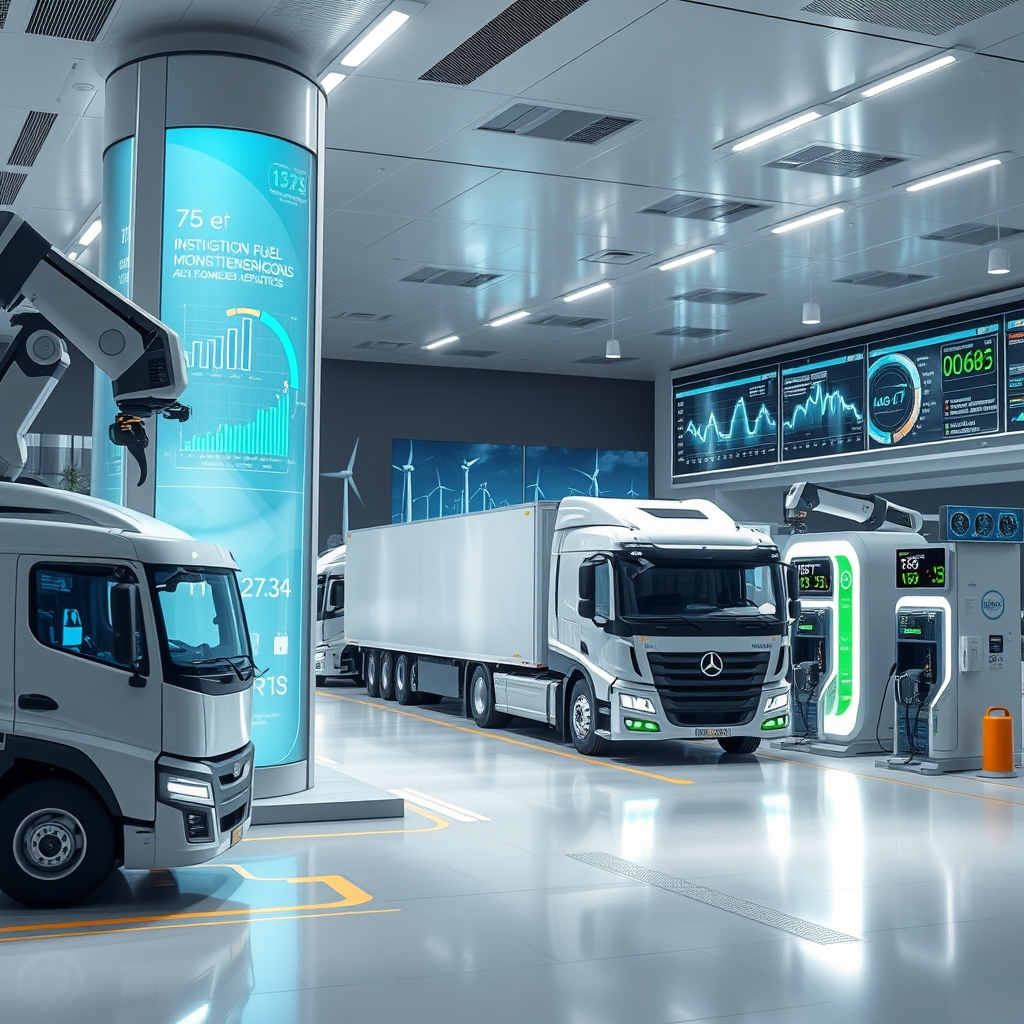
In an era where sustainability is no longer a choice but a necessity, industries worldwide are re-evaluating their energy consumption patterns. Among the most critical sectors, logistics and transport stand out due to their heavy reliance on fuel—a resource that is both costly and environmentally taxing. The shift toward optimized logistics refueling is not just a trend; it’s a silent revolution that is redefining how businesses approach sustainable transport fueling. By leveraging cutting-edge technologies and innovative strategies, companies are achieving unprecedented levels of efficiency, cost savings, and environmental responsibility.
The Evolution of Fuel Management in Logistics
Traditionally, fuel management in logistics has been a reactive process. Fleets would refuel based on rough estimates, often leading to inefficiencies such as overfilling, underfilling, or unnecessary detours to refueling stations. These practices not only increased operational costs but also contributed to higher carbon emissions. However, the advent of intelligent fuel monitoring and real-time consumption data has transformed this landscape. Today, logistics companies can track fuel usage with pinpoint accuracy, allowing them to make data-driven decisions that optimize every drop of fuel.
This evolution is not just about technology; it’s about a fundamental shift in mindset. Businesses are now viewing fuel not as a static resource but as a dynamic component of their operations that can be fine-tuned for maximum efficiency. The integration of predictive fuel analytics has further enhanced this approach, enabling fleets to anticipate fuel needs based on historical data, route conditions, and vehicle performance. The result? A seamless refueling experience that minimizes waste and maximizes productivity.
The Role of Data in Driving Efficiency
At the heart of optimized logistics refueling lies data-driven energy planning. The ability to collect, analyze, and act on real-time data is what sets modern fuel management apart from traditional methods. For instance, telematics systems can monitor fuel consumption in real-time, providing insights into driver behavior, engine performance, and route efficiency. These systems can identify patterns such as excessive idling, aggressive driving, or inefficient routes, all of which contribute to unnecessary fuel consumption.
Moreover, advanced analytics platforms can simulate different scenarios to determine the most cost-effective fuel strategies. For example, a logistics company might use predictive modeling to decide whether it’s more efficient to refuel at a specific station along a route or to carry extra fuel for longer hauls. This level of precision ensures that every decision is backed by data, reducing guesswork and enhancing overall efficiency. The benefits extend beyond cost savings; they also include reduced carbon footprints, as optimized routes and fuel usage directly translate to lower emissions.
Green Fuel Adoption: A Game-Changer for Sustainable Logistics
While optimizing traditional fuel usage is crucial, the future of logistics lies in green fuel adoption. Alternative fuels such as biodiesel, hydrogen, and electric power are gaining traction as viable options for reducing dependency on fossil fuels. However, transitioning to these fuels is not without its challenges. Issues such as infrastructure limitations, higher upfront costs, and range anxiety have slowed widespread adoption. Yet, the tide is turning as more companies recognize the long-term benefits of carbon-neutral fuel solutions.
One of the most promising developments in this space is the rise of integrated fuel logistics. By combining traditional and alternative fuel sources, logistics companies can create hybrid systems that leverage the strengths of each. For example, a fleet might use electric vehicles for short-haul deliveries while relying on biodiesel for long-distance routes. This approach not only reduces emissions but also ensures operational flexibility. Additionally, advancements in battery technology and hydrogen fuel cells are making it increasingly feasible for fleets to adopt zero-emission solutions without compromising performance.
The Human Element: Training and Culture in Fuel Efficiency
Technology and data are powerful tools, but they are only as effective as the people who use them. Optimized logistics refueling requires a cultural shift within organizations, one that prioritizes sustainability and efficiency at every level. Driver training programs play a crucial role in this transformation. By educating drivers on fuel-efficient driving techniques—such as smooth acceleration, maintaining optimal speeds, and reducing idling—companies can significantly reduce fuel consumption.
Furthermore, fostering a culture of accountability is essential. When drivers and fleet managers understand the impact of their actions on fuel efficiency and sustainability, they are more likely to adopt best practices. Incentive programs, such as rewards for fuel-efficient driving, can further reinforce this culture. The goal is to create an environment where every team member is aligned with the company’s sustainability objectives, making fuel efficiency a shared responsibility rather than a top-down mandate.
Seamless Refueling: The Future of Logistics Operations
The concept of a seamless refueling experience is rapidly becoming a reality, thanks to innovations in automation and connectivity. Imagine a world where fleets can refuel without human intervention, using autonomous vehicles or robotic refueling stations. While this may sound like science fiction, it’s closer than we think. Companies are already experimenting with automated refueling systems that use AI and IoT to streamline the process, reducing downtime and improving efficiency.
Another exciting development is the use of mobile refueling services, where fuel is delivered directly to vehicles at their location. This eliminates the need for detours to refueling stations, saving time and reducing fuel waste. For logistics companies, this means faster turnaround times and lower operational costs. As these technologies mature, they will play a pivotal role in shaping the future of sustainable transport fueling, making it more efficient, cost-effective, and environmentally friendly.
The journey toward optimized logistics refueling is not just about adopting new technologies or switching to alternative fuels. It’s about reimagining the entire fuel management ecosystem to create a system that is efficient, sustainable, and resilient. As businesses continue to embrace data-driven energy planning and eco-conscious fuel selection, they are not only reducing their environmental impact but also unlocking new opportunities for growth and innovation. The road ahead is challenging, but with the right strategies and tools, the logistics industry can lead the way in building a greener, more sustainable future for all.