Seamless Refueling Experience: The Next Frontier in Optimized Logistics and Sustainable Energy
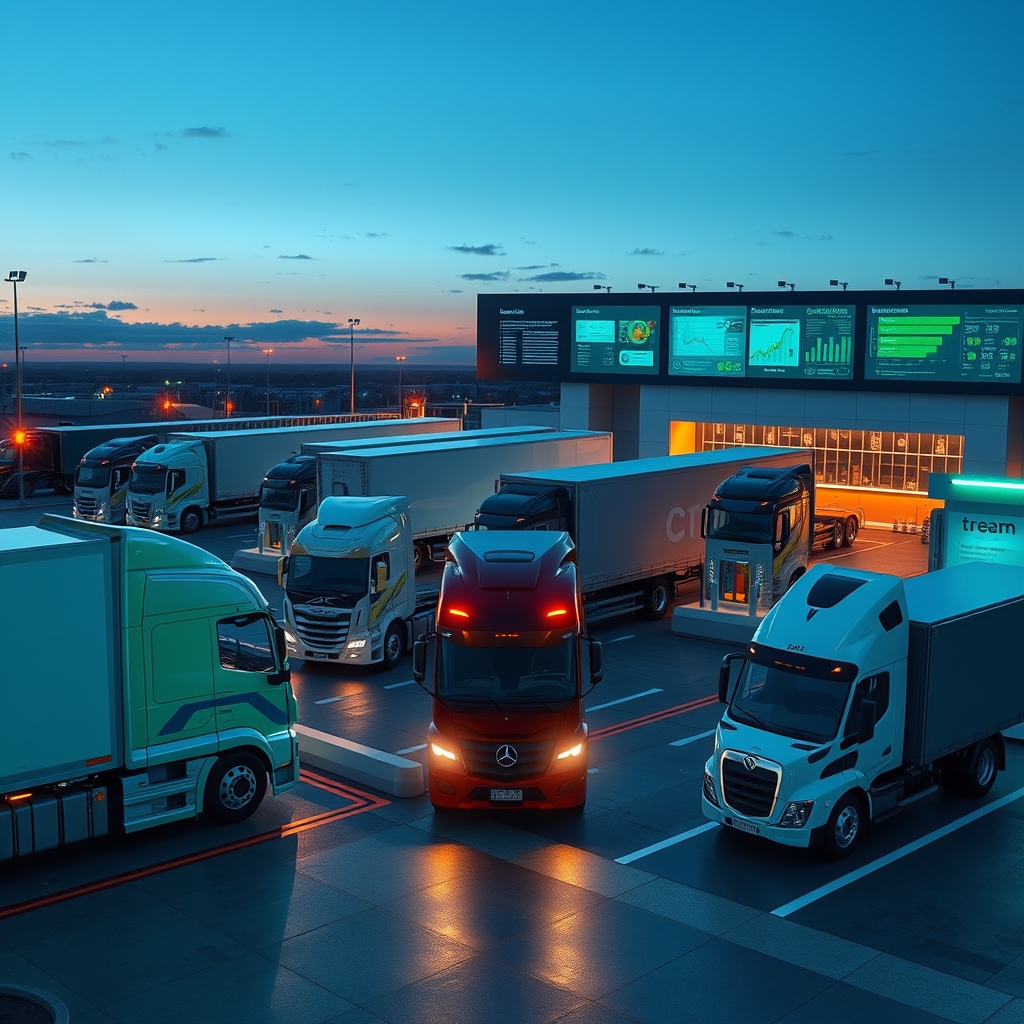
The logistics and transportation sectors are undergoing a profound transformation, driven by the urgent need for sustainability and efficiency. At the heart of this evolution lies the concept of a seamless refueling experience, a paradigm that integrates advanced technologies, data-driven strategies, and eco-conscious practices to redefine how fleets manage fuel. This approach is not just about refilling tanks; it’s about creating a holistic system that enhances operational efficiency, reduces environmental impact, and ensures cost-effectiveness.
The Foundation of Seamless Refueling
A seamless refueling experience is built on three core pillars: intelligent fuel monitoring, predictive fuel analytics, and integrated fuel logistics. Together, these elements form a dynamic ecosystem that enables fleets to operate with unprecedented precision. Intelligent fuel monitoring systems provide real-time visibility into fuel levels, consumption rates, and potential inefficiencies, allowing operators to make informed decisions on the fly. Predictive analytics take this a step further by forecasting fuel needs based on historical data, route patterns, and external factors like traffic or weather conditions. Meanwhile, integrated fuel logistics ensure that refueling processes are streamlined, minimizing downtime and maximizing productivity.
The Role of Real-Time Consumption Data
One of the most transformative aspects of a seamless refueling experience is the ability to leverage real-time consumption data. Traditional fuel management relied on periodic checks and manual record-keeping, which often led to inaccuracies and inefficiencies. Today, advanced telematics and IoT-enabled sensors provide a continuous stream of data, offering insights into fuel usage patterns, driver behavior, and vehicle performance. This data is invaluable for identifying wasteful practices, such as excessive idling or inefficient routing, and implementing corrective measures. By acting on real-time data, fleets can reduce fuel consumption by up to 15%, translating into significant cost savings and a lower carbon footprint.
Eco-Conscious Fuel Selection: Beyond Traditional Options
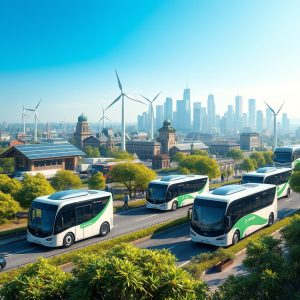
As the world shifts toward carbon-neutral fuel solutions, the choice of fuel has become a critical component of sustainable logistics. While diesel and gasoline have long dominated the industry, alternatives like biodiesel, hydrogen, and electric power are gaining traction. A seamless refueling experience accommodates this diversity by supporting eco-conscious fuel selection. For instance, fleets can integrate hybrid or electric vehicles into their operations, leveraging smart charging infrastructure to optimize energy use. Similarly, biodiesel and renewable diesel offer drop-in solutions that require minimal modifications to existing engines, making them an attractive option for fleets looking to reduce emissions without overhauling their infrastructure. The key is flexibility—enabling fleets to choose the most sustainable and cost-effective fuel for their specific needs.
Optimizing Logistics Refueling for Maximum Efficiency
The logistics of refueling are often overlooked, yet they play a crucial role in overall fleet efficiency. Optimized logistics refueling involves strategic planning of refueling stops, route optimization, and partnerships with fuel providers to ensure that vehicles are refueled at the most convenient and cost-effective locations. For example, predictive analytics can determine the optimal time and place for refueling based on a vehicle’s route, fuel consumption rate, and current tank levels. This not only reduces the risk of running out of fuel but also minimizes detours and downtime. Additionally, partnerships with fuel providers can secure bulk discounts or access to exclusive refueling networks, further enhancing cost savings.
Advanced Fleet Fueling: The Technology Behind the Transformation
Technology is the backbone of a seamless refueling experience. Advanced fleet fueling systems leverage AI, machine learning, and automation to create a fully integrated fuel management ecosystem. For instance, AI-driven algorithms can analyze vast amounts of data to identify trends and anomalies, such as sudden spikes in fuel consumption or irregular refueling patterns that may indicate theft or fraud. Automation plays a role in streamlining administrative tasks, such as fuel purchase reconciliation and reporting, freeing up valuable time for fleet managers to focus on strategic initiatives. Furthermore, cloud-based platforms enable centralized management of fuel data, providing a single source of truth for all stakeholders.
Data-Driven Energy Planning: The Key to Long-Term Success
Sustainable energy consumption is not a one-time effort but an ongoing process that requires continuous monitoring and adaptation. Data-driven energy planning is essential for fleets looking to achieve long-term efficiency and sustainability. By analyzing historical and real-time data, fleets can identify opportunities for improvement, such as optimizing routes, upgrading to more fuel-efficient vehicles, or adopting alternative fuels. This proactive approach ensures that fleets remain agile in the face of changing regulations, market conditions, and technological advancements. Moreover, data-driven planning enables fleets to set measurable goals, track progress, and demonstrate their commitment to sustainability to stakeholders and customers alike.
Creating a Smarter, Greener Future
The transition to a seamless refueling experience is not just about adopting new technologies or practices; it’s about fostering a culture of innovation and sustainability within the logistics industry. Fleets that embrace this approach are better positioned to navigate the challenges of rising fuel costs, stringent emissions regulations, and increasing customer demand for eco-friendly solutions. By integrating intelligent fuel monitoring, predictive analytics, and eco-conscious fuel selection, fleets can achieve a level of efficiency and sustainability that was once thought impossible. The result is a smarter, greener future where logistics operations are not only more cost-effective but also more responsible and resilient.
The journey toward optimized fuel management is ongoing, and the tools and strategies available today are just the beginning. As technology continues to evolve, so too will the opportunities to refine and enhance the refueling experience. The fleets that lead this charge will not only set new standards for efficiency and sustainability but also inspire others to follow suit, creating a ripple effect that transforms the entire industry. In this dynamic landscape, the seamless refueling experience is more than a goal—it’s a necessity for those who seek to thrive in the future of logistics.