
The Lifeline of Your Engine: How Fuel Injection and Delivery Systems Work in Harmony
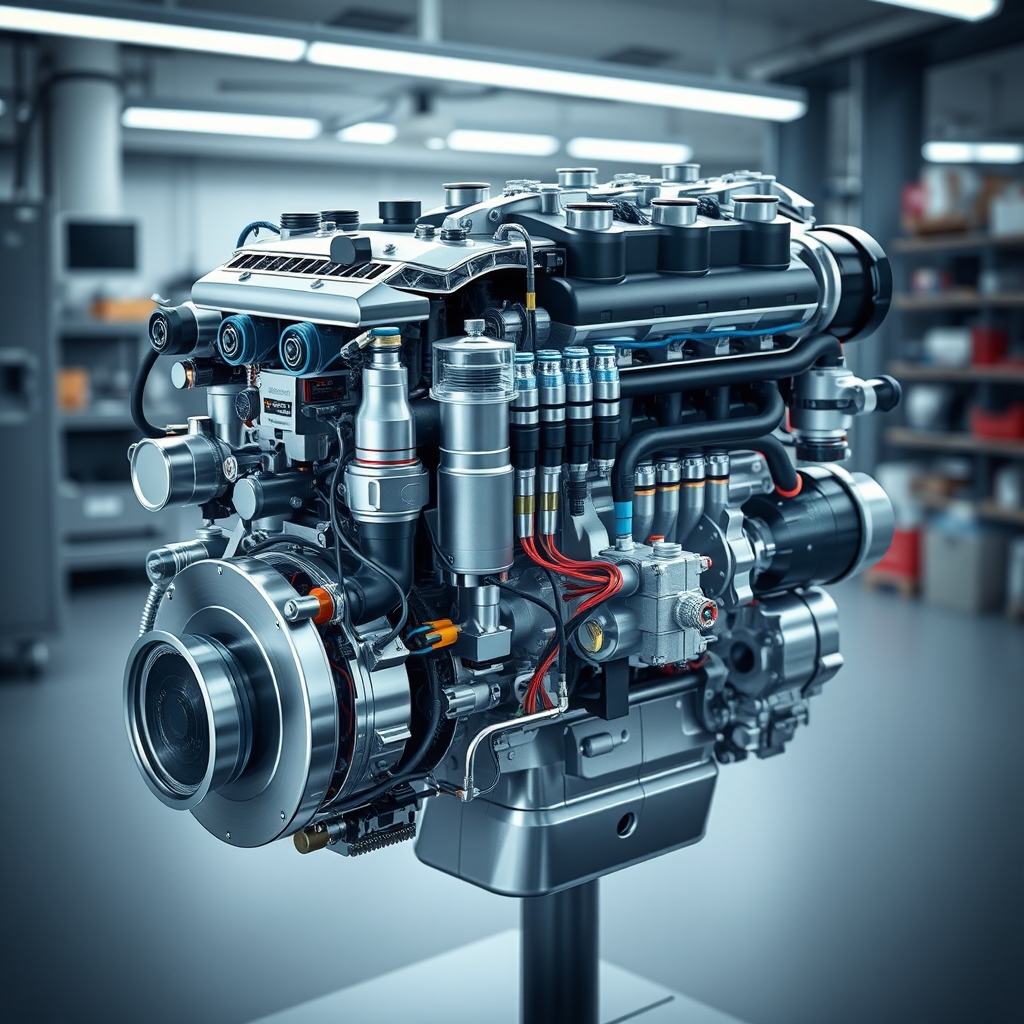
Modern engines are marvels of engineering, where every component plays a critical role in ensuring optimal performance, efficiency, and reliability. At the heart of this intricate system lies the fuel injection and delivery mechanism—a network of precision-engineered parts that work in unison to deliver the right amount of fuel at the right time. Without this seamless coordination, even the most advanced engines would falter, struggling to balance power, emissions, and fuel economy. Understanding how these components interact not only deepens appreciation for automotive engineering but also empowers vehicle owners to maintain their engines more effectively.
The Backbone of Fuel Delivery: From Tank to Combustion Chamber
Fuel begins its journey in the fuel tank, where the fuel delivery module—a compact assembly of components—ensures a steady supply to the engine. This module typically includes a fuel pump, which can be either single-stage or dual-stage, depending on the engine’s demands. Dual-stage pumps, for instance, adjust their output based on load, providing higher pressure during acceleration and lower pressure during cruising. This adaptability enhances efficiency while reducing unnecessary strain on the system.
Once pumped from the tank, fuel passes through the fuel filter, a often-overlooked component that traps contaminants before they can reach sensitive injection components. Over time, filters clog, restricting flow and forcing the pump to work harder. Regular fuel filter replacement is a simple yet effective way to prevent premature wear and maintain engine performance. From here, fuel travels through the fuel lines, where its pressure is monitored by the fuel rail pressure sensor, a critical feedback mechanism that ensures the engine control unit (ECU) can make real-time adjustments.
The Role of Fuel Injection: Precision in Every Drop
Fuel injection systems have evolved dramatically from the early days of throttle body injection (TBI) to today’s advanced direct fuel injection (DFI) and common rail diesel injection systems. In TBI, fuel is sprayed into the intake manifold, mixing with air before entering the combustion chamber. While effective, this method lacks the precision of modern systems. Multi-point fuel injection (MPFI) improved upon TBI by delivering fuel directly to each cylinder’s intake port, enhancing efficiency and power output.
Today, direct fuel injection represents the pinnacle of fuel delivery technology. By spraying fuel directly into the combustion chamber at pressures exceeding 2,000 psi, DFI systems achieve unparalleled atomization, leading to more complete combustion, reduced emissions, and improved fuel economy. This high-pressure environment relies on a high-pressure fuel pump, which compresses fuel to the necessary levels before it reaches the fuel injectors. These injectors, controlled by the ECU, open and close with microsecond precision, ensuring the optimal air-fuel mixture for every operating condition.
The Unsung Heroes: Supporting Components That Keep the System Running
While the fuel pump and injectors often steal the spotlight, several supporting components are equally vital. The fuel pressure regulator, for example, maintains consistent pressure within the fuel rail, preventing fluctuations that could disrupt combustion. In returnless fuel systems, this regulator is often integrated into the fuel pump module, simplifying the design and reducing emissions by eliminating the need for excess fuel to return to the tank.
Another critical component is the fuel tank vent valve, which prevents pressure buildup in the tank while allowing fresh air to enter as fuel is consumed. This valve works in tandem with the carbon canister purge valve, which captures fuel vapors and recirculates them into the engine for combustion, reducing emissions and improving efficiency. Meanwhile, the fuel level sending unit provides real-time data to the fuel gauge, ensuring drivers are always aware of their remaining fuel.
Innovations in Fuel Delivery: Adapting to Modern Demands
As engines become more sophisticated, so too do their fuel delivery systems. Flex fuel sensors, for instance, detect the ethanol content in fuel, allowing the ECU to adjust the air-fuel ratio accordingly. This adaptability is crucial for vehicles designed to run on both gasoline and ethanol blends, ensuring optimal performance regardless of fuel type. Similarly, high-flow fuel rails and fuel swirl pots are designed to handle the increased demands of high-performance engines, preventing fuel starvation during aggressive driving or cornering.
For diesel engines, common rail diesel injection systems have revolutionized performance and efficiency. By storing fuel at ultra-high pressures in a common rail, these systems deliver precise, multiple injections per combustion cycle, reducing noise, improving fuel economy, and lowering emissions. This technology has made modern diesel engines cleaner and more powerful than ever before.
Maintaining Your Fuel System: Simple Steps for Longevity
Given the complexity of modern fuel systems, regular maintenance is key to ensuring longevity and performance. Using a fuel injector cleaner periodically can help remove deposits that accumulate on injector nozzles, restoring spray patterns and improving efficiency. For vehicles with direct injection, carbon buildup on intake valves can become an issue, as the fuel no longer washes over them. In such cases, professional cleaning may be necessary to restore optimal airflow.
It’s also important to monitor the health of the fuel pump and fuel pressure regulator. Symptoms like hard starting, hesitation, or reduced power can indicate a failing pump or clogged filter. Addressing these issues early can prevent more costly repairs down the line. Additionally, using high-quality fuel and adhering to the manufacturer’s recommended maintenance schedule can go a long way in preserving the integrity of the fuel system.
Every time you turn the key or press the start button, a symphony of components springs into action, working tirelessly to deliver the perfect blend of fuel and air to your engine. From the fuel tank to the combustion chamber, each part plays a vital role in this intricate dance, ensuring your vehicle runs smoothly, efficiently, and reliably. By understanding and maintaining these systems, you’re not just prolonging the life of your engine—you’re unlocking its full potential, mile after mile.