
Carbon-Neutral E-Fuels and Fuel Cell Electric Vehicles: The Dynamic Duo Driving Sustainable Mobility Forward
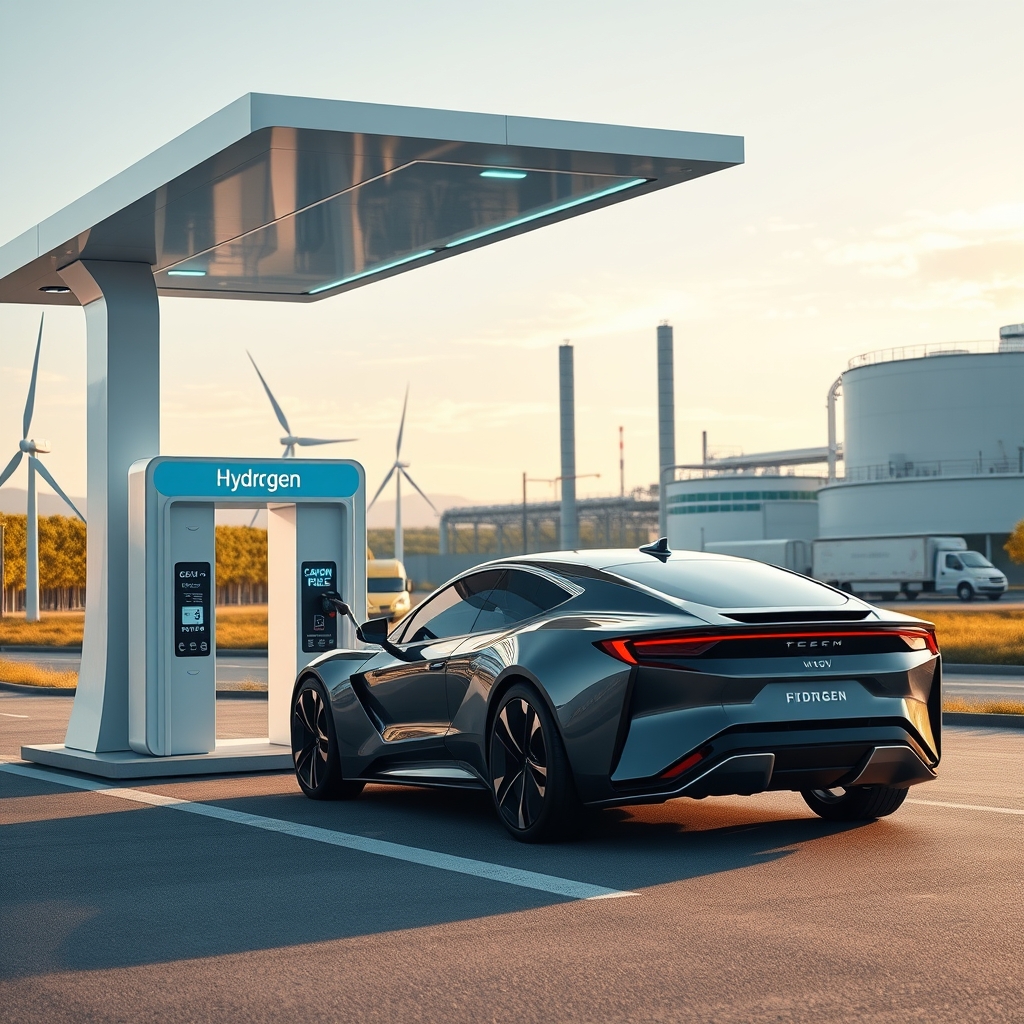
The transportation sector stands at a critical crossroads, facing the urgent need to reduce greenhouse gas emissions while maintaining efficiency and performance. Among the most promising solutions emerging are carbon-neutral e-fuels and fuel cell electric vehicles (FCEVs), two technologies that, when combined, offer a powerful pathway to decarbonizing mobility without sacrificing the convenience and range that consumers demand.
The Science Behind Carbon-Neutral E-Fuels
Carbon-neutral e-fuels, also known as electrofuels or synthetic fuels, are produced by combining captured carbon dioxide (CO₂) with hydrogen derived from renewable energy sources. This process, known as power-to-liquid or power-to-gas, leverages electrolysis to split water into hydrogen and oxygen, with the hydrogen then reacting with CO₂ to create liquid or gaseous fuels. The result is a fuel that, when burned, releases only the CO₂ that was originally captured, making it carbon-neutral over its lifecycle.
Unlike traditional biofuels, which rely on agricultural feedstocks and can compete with food production, e-fuels are produced using renewable electricity and industrial CO₂ emissions. This makes them a scalable and sustainable alternative, particularly for sectors like aviation and shipping, where electrification is challenging. The versatility of e-fuels also allows them to be used in existing internal combustion engines with minimal modifications, providing a bridge between fossil fuels and a fully renewable energy future.
The Role of Fuel Cell Electric Vehicles in Sustainable Mobility
While e-fuels offer a solution for hard-to-electrify sectors, fuel cell electric vehicles (FCEVs) are emerging as a game-changer for passenger and commercial road transport. FCEVs generate electricity on-board by combining hydrogen with oxygen from the air in a fuel cell, producing only water vapor as a byproduct. This process offers several advantages over battery electric vehicles (BEVs), including faster refueling times, longer driving ranges, and lighter weight, making them particularly well-suited for heavy-duty applications like trucks and buses.
One of the key benefits of FCEVs is their ability to leverage existing fueling infrastructure with some modifications. Hydrogen refueling stations are being deployed in key markets, and advancements in green hydrogen production—using renewable electricity to power electrolysis—are making the fuel increasingly sustainable. Moreover, FCEVs can complement BEVs by addressing use cases where battery technology falls short, such as long-haul trucking or applications requiring high energy density.
Synergies Between E-Fuels and FCEVs
The true potential of these technologies lies in their synergy. While FCEVs excel in road transport, e-fuels can fill the gaps in sectors where hydrogen infrastructure is less developed or where liquid fuels are more practical. For example, e-fuels can be used in existing aircraft and ships, while FCEVs can dominate the road transport sector. Together, they create a holistic approach to decarbonizing mobility, ensuring that no sector is left behind in the transition to sustainability.
Another critical advantage is the shared infrastructure and production pathways. Both e-fuels and green hydrogen rely on renewable electricity and electrolysis, meaning investments in one technology can benefit the other. For instance, excess renewable energy can be used to produce hydrogen, which can then be converted into e-fuels or used directly in FCEVs. This flexibility ensures that energy resources are used efficiently and that the transition to sustainable mobility is both practical and cost-effective.
Overcoming Challenges and Scaling Up
Despite their promise, both e-fuels and FCEVs face challenges that must be addressed to achieve widespread adoption. For e-fuels, the primary hurdles are production costs and energy efficiency. Current production methods are energy-intensive, and scaling up will require significant investments in renewable energy infrastructure and carbon capture technologies. However, as renewable electricity becomes cheaper and more abundant, the economics of e-fuels are expected to improve.
For FCEVs, the main challenges are hydrogen storage, transportation, and refueling infrastructure. Hydrogen has a low energy density by volume, which makes storage and transport more complex than for liquid fuels. However, advancements in high-pressure storage tanks and liquid hydrogen technologies are helping to overcome these obstacles. Additionally, governments and private companies are investing in hydrogen refueling networks, with countries like Japan, Germany, and the United States leading the way.
The Path Forward: Policy and Innovation
To accelerate the adoption of e-fuels and FCEVs, supportive policies and continued innovation are essential. Governments can play a crucial role by implementing carbon pricing, offering incentives for renewable energy projects, and funding research and development. For example, the European Union’s Renewable Energy Directive sets ambitious targets for the use of renewable fuels in transport, while the U.S. Department of Energy’s Hydrogen Program is driving advancements in hydrogen production and fuel cell technology.
Innovation in production methods will also be key. For e-fuels, researchers are exploring more efficient catalysts and processes to reduce energy consumption and costs. In the FCEV space, advancements in fuel cell durability and hydrogen storage are making the technology more viable for mass-market adoption. Collaborations between automakers, energy companies, and technology providers are fostering these innovations, ensuring that both e-fuels and FCEVs continue to evolve.
As the world moves toward a more sustainable future, the combination of carbon-neutral e-fuels and fuel cell electric vehicles offers a compelling vision for decarbonizing transportation. These technologies are not just alternatives to fossil fuels—they represent a fundamental shift in how we produce, store, and use energy. By embracing their potential and addressing the challenges head-on, we can create a mobility ecosystem that is cleaner, more efficient, and resilient for generations to come. The journey is just beginning, but the destination—a world where transportation no longer comes at the expense of the planet—is within reach.