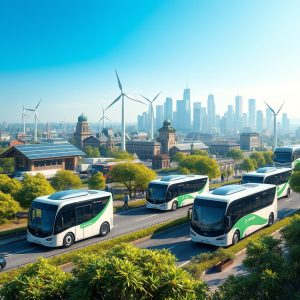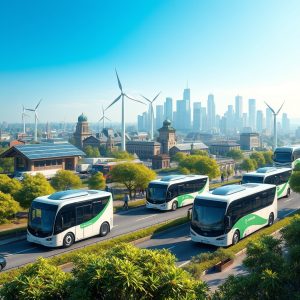
The Synergy of Smart Charging and Eco-Friendly Biofuels: Powering the Next Wave of Carbon Neutral Mobility
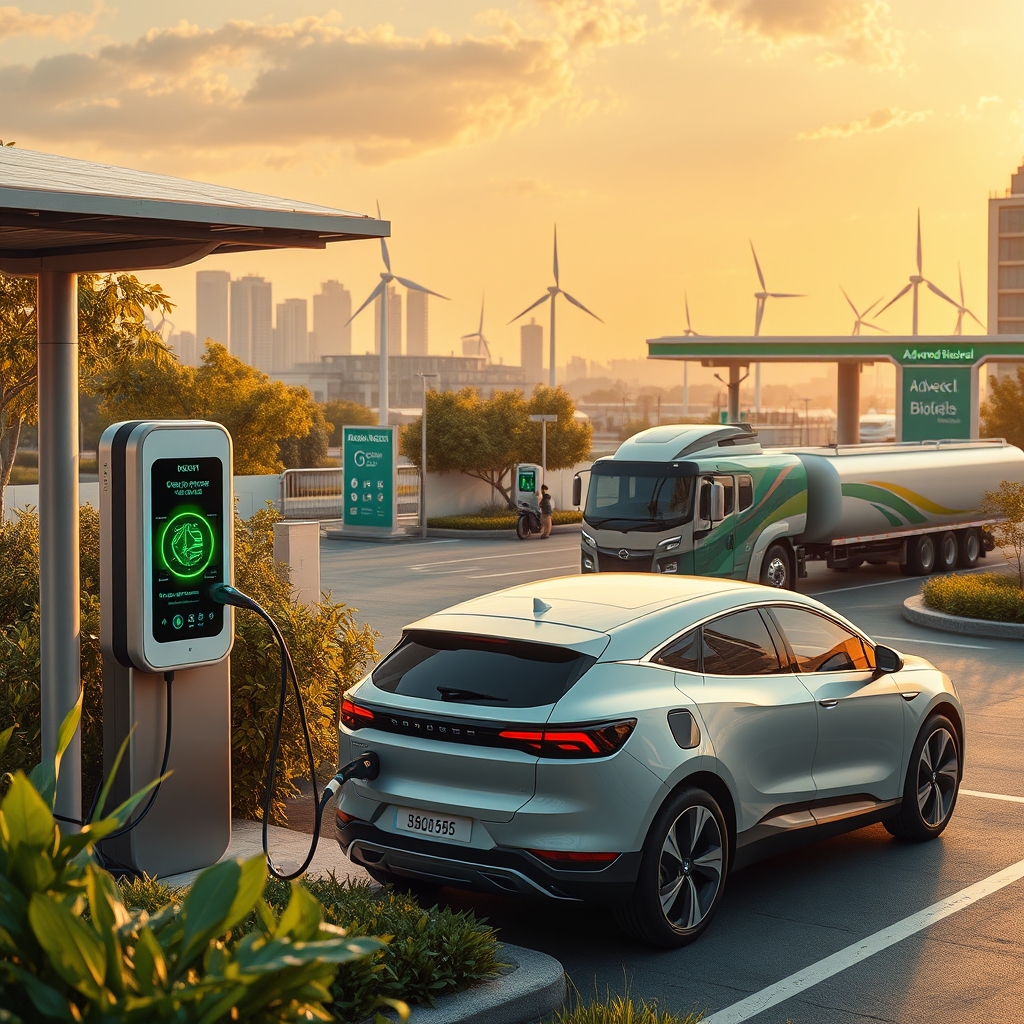
The transportation sector stands at a crossroads, where innovation and sustainability intersect to redefine how we move. As the world grapples with the urgent need to reduce carbon emissions, two technologies are emerging as pivotal players in the transition toward carbon-neutral mobility: smart charging infrastructure and eco-friendly biofuels. While electric vehicles (EVs) dominate conversations about the future of transportation, the role of biofuels and intelligent energy management systems is equally transformative, offering a complementary pathway to a greener future.
The Rise of Smart Charging Infrastructure
Smart charging is more than just plugging in an electric vehicle—it’s a dynamic ecosystem that optimizes energy distribution, reduces strain on the grid, and enhances the efficiency of EV adoption. Unlike traditional charging systems, smart charging leverages advanced algorithms, real-time data, and bidirectional energy flow to create a seamless interaction between vehicles, energy providers, and consumers. This technology ensures that EVs charge when electricity demand is low or when renewable energy sources, such as solar or wind, are most abundant, thereby minimizing the carbon footprint of each charge.
One of the most promising aspects of smart charging is vehicle-to-grid (V2G) technology. V2G allows EVs to not only draw power from the grid but also feed excess energy back into it during peak demand periods. This bidirectional flow transforms EVs into mobile energy storage units, stabilizing the grid and reducing the need for fossil fuel-based peaker plants. As urban centers expand and energy demands fluctuate, smart charging infrastructure becomes a cornerstone of resilient, sustainable energy systems.
Overcoming the Challenges of EV Adoption
Despite the rapid growth of the EV market, challenges such as range anxiety, charging accessibility, and grid capacity persist. Smart charging addresses these issues by integrating predictive analytics and machine learning to optimize charging schedules. For instance, drivers can program their vehicles to charge during off-peak hours, taking advantage of lower electricity rates and reduced grid congestion. Additionally, smart charging networks can prioritize charging for fleets, such as delivery trucks or ride-sharing vehicles, ensuring they remain operational without overwhelming local infrastructure.
Moreover, the integration of smart charging with renewable energy sources further amplifies its impact. Solar-powered charging stations, for example, can harness energy during the day and store it for use during nighttime or cloudy periods. This synergy between smart charging and renewables not only reduces reliance on fossil fuels but also accelerates the transition to a decentralized, clean energy ecosystem.
The Role of Eco-Friendly Biofuels in Sustainable Mobility
While EVs are often hailed as the ultimate solution for zero-emission mobility, the reality is more nuanced. The production and disposal of batteries, as well as the carbon footprint of electricity generation, present challenges that cannot be ignored. This is where eco-friendly biofuels step in, offering a viable alternative or complement to electrification, particularly for sectors where battery-electric solutions are less practical, such as aviation, shipping, and long-haul trucking.
Biofuels derived from organic materials—such as agricultural waste, algae, or even used cooking oil—provide a renewable and low-carbon alternative to conventional fossil fuels. Unlike first-generation biofuels, which competed with food crops, advanced biofuels are produced from non-food feedstocks, ensuring they do not contribute to deforestation or food insecurity. When blended with traditional fuels or used in their pure form, these biofuels can significantly reduce greenhouse gas emissions without requiring major modifications to existing internal combustion engines.
Innovations in Biofuel Production
The evolution of biofuels has been marked by breakthroughs in production techniques. For example, synthetic biology and genetic engineering are enabling the creation of microorganisms that can efficiently convert biomass into high-energy fuels. Algae-based biofuels, in particular, hold immense promise due to their high oil content and ability to grow in non-arable land or wastewater, minimizing their environmental impact. Additionally, the development of drop-in biofuels—fuels that can be used in existing engines without modification—eliminates the need for costly infrastructure upgrades, making them an attractive option for industries with long vehicle lifespans.
Another exciting development is the use of biofuels in hybrid powertrains. By combining the efficiency of electric motors with the energy density of biofuels, hybrid vehicles can achieve significant reductions in emissions while maintaining the range and refueling convenience of traditional engines. This hybrid approach is particularly valuable for heavy-duty applications, where battery weight and charging times remain limiting factors.
The Convergence of Smart Charging and Biofuels
The true potential of carbon-neutral mobility lies in the convergence of smart charging and eco-friendly biofuels. While EVs and biofuels are often viewed as competing solutions, they are, in fact, complementary technologies that can address the unique challenges of different transportation sectors. For instance, smart charging can optimize the energy use of electric fleets in urban areas, while biofuels can power long-haul trucks, ships, and airplanes, where electrification is currently less feasible.
Furthermore, the integration of these technologies with connected car systems and autonomous driving platforms can create a holistic, intelligent transportation ecosystem. Imagine a future where autonomous electric vehicles communicate with smart grids to charge at the most opportune times, while biofuel-powered trucks and planes operate in tandem to reduce emissions across the entire supply chain. This interconnected approach not only enhances efficiency but also accelerates the transition to a circular economy, where waste is minimized, and resources are continuously repurposed.
As cities grow and global trade expands, the demand for sustainable transportation solutions will only intensify. The synergy between smart charging and eco-friendly biofuels offers a pragmatic path forward, one that leverages the strengths of both technologies to create a resilient, low-carbon mobility system. By embracing innovation and collaboration, we can ensure that the future of transportation is not only cleaner but also smarter, more efficient, and accessible to all. The journey toward carbon-neutral mobility is not a sprint but a marathon, and every step forward brings us closer to a world where movement and sustainability coexist harmoniously.