
The Synergy of Intelligent Fuel Monitoring and Real-Time Data: Crafting the Future of Sustainable Logistics
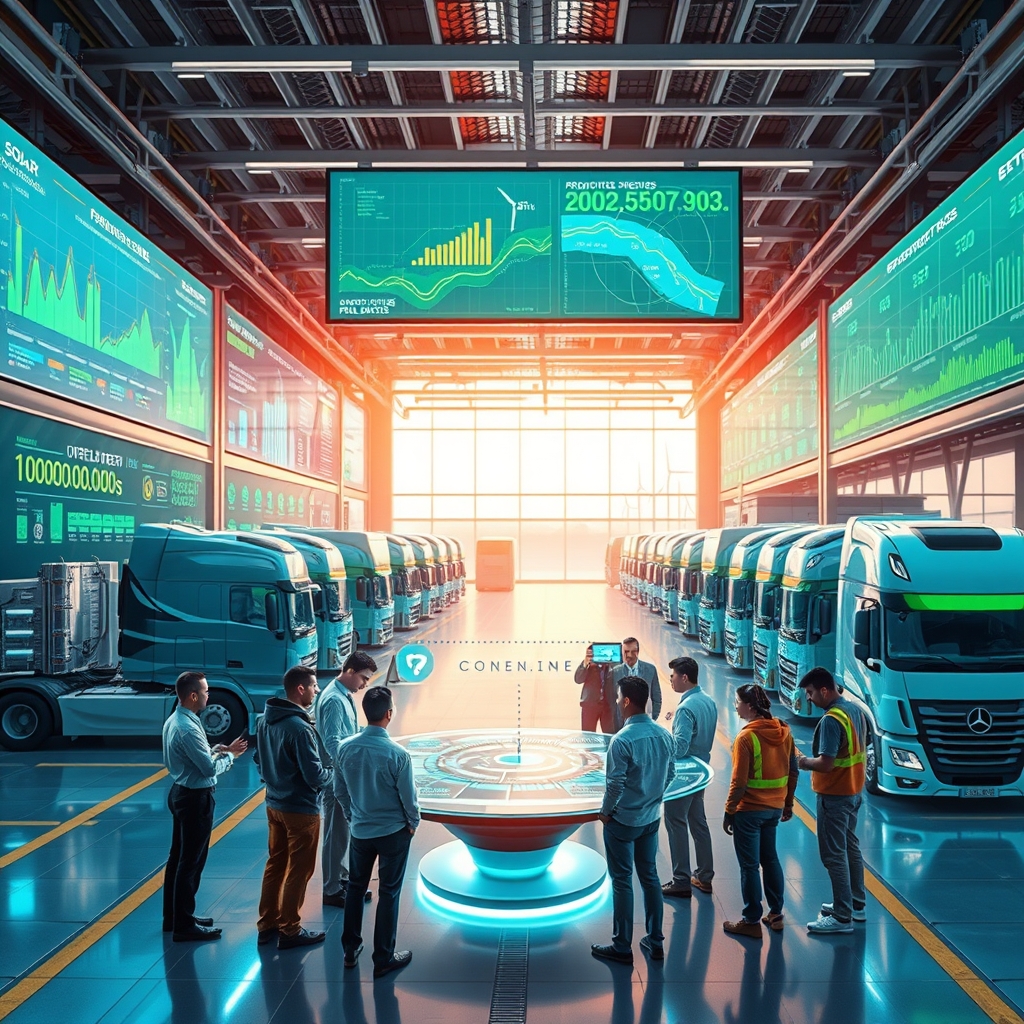
In an era where sustainability is no longer a choice but a necessity, industries worldwide are redefining their operational paradigms to align with eco-friendly practices. At the heart of this transformation lies the logistics sector, a critical player in global trade and commerce. The convergence of intelligent fuel monitoring and real-time consumption data is emerging as a game-changer, offering unprecedented opportunities to enhance efficiency, reduce costs, and minimize environmental impact. This synergy is not just about tracking fuel; it’s about reimagining how energy is consumed, managed, and optimized across fleets and supply chains.
The Evolution of Fuel Management: From Reactive to Predictive
Traditional fuel management systems have long relied on historical data and manual reporting, leaving fleets vulnerable to inefficiencies and unexpected costs. These reactive approaches often result in overconsumption, unnecessary emissions, and financial losses. However, the advent of predictive fuel analytics has shifted the narrative. By leveraging machine learning and advanced algorithms, logistics companies can now anticipate fuel needs, identify patterns, and optimize routes before a single drop of fuel is consumed. This proactive stance not only reduces waste but also empowers fleets to operate with greater precision and foresight.
For instance, predictive analytics can detect anomalies in fuel consumption, such as sudden spikes or drops, which may indicate mechanical issues, driver behavior, or inefficient routing. By addressing these issues in real time, companies can prevent costly breakdowns, extend vehicle lifespans, and ensure that every journey is as fuel-efficient as possible. The result is a logistics ecosystem that is not only more sustainable but also more resilient and adaptable to changing conditions.
The Role of Real-Time Data in Driving Efficiency
Real-time consumption data is the lifeblood of modern fuel management. Unlike static reports, which offer a retrospective view, real-time data provides an immediate snapshot of fuel usage, enabling logistics managers to make informed decisions on the fly. This dynamic approach is particularly valuable in industries where conditions can change rapidly, such as long-haul trucking, maritime shipping, or air freight. With access to live data, fleets can adjust routes, monitor driver performance, and even switch to eco-conscious fuel selection based on availability and cost.
One of the most compelling applications of real-time data is in optimized logistics refueling. By integrating fuel monitoring systems with GPS and telematics, companies can identify the most efficient refueling stops along a route, taking into account factors like fuel prices, traffic conditions, and vehicle load. This not only reduces downtime but also ensures that fleets are refueled at the most cost-effective and environmentally friendly locations. Additionally, real-time data can facilitate transparent fuel tracking, allowing stakeholders to monitor fuel usage across the entire supply chain, from procurement to consumption. This level of transparency builds trust, enhances accountability, and fosters a culture of sustainability within organizations.
From Data to Action: The Power of Adaptive Energy Workflows
While data is invaluable, its true potential is unlocked when it is translated into actionable insights. This is where adaptive energy workflows come into play. These workflows are designed to dynamically adjust fuel consumption strategies based on real-time data, ensuring that fleets operate at peak efficiency under any conditions. For example, if a route experiences unexpected traffic congestion, an adaptive workflow can automatically recalculate the optimal speed, gear shifts, and even suggest alternative routes to minimize fuel waste.
Moreover, adaptive workflows can integrate with other smart systems, such as integrated fuel logistics platforms, to create a seamless and automated fuel management process. These platforms can handle everything from fuel procurement and storage to distribution and consumption, all while ensuring compliance with sustainability goals. By automating routine tasks, logistics companies can free up resources to focus on strategic initiatives, such as green fuel adoption or carbon-neutral fuel solutions, further accelerating their transition to a low-carbon future.
The Human Element: Empowering Drivers and Teams
Technology alone cannot drive sustainable change; it requires the active participation of the people who operate and manage fleets. Intelligent fuel monitoring systems are most effective when they are paired with training and incentives that encourage eco-friendly driving behaviors. For instance, drivers can be provided with real-time feedback on their fuel efficiency, such as idling time, harsh acceleration, or excessive speeding. By gamifying these metrics, companies can foster a sense of competition and collaboration, motivating teams to adopt more sustainable practices.
Furthermore, transparent fuel tracking can empower drivers by giving them visibility into their performance and the impact of their actions. When drivers understand how their behavior affects fuel consumption and emissions, they are more likely to take ownership of their role in the company’s sustainability efforts. This human-centric approach not only improves fuel efficiency but also enhances job satisfaction and retention, as drivers feel more engaged and valued in their roles.
Building a Sustainable Future, One Mile at a Time
The logistics industry stands at a crossroads, with the opportunity to lead the charge toward a more sustainable future. By embracing the synergy of intelligent fuel monitoring and real-time data, companies can transform their operations from the ground up, creating a ripple effect that extends beyond their fleets. Every optimized route, every gallon of fuel saved, and every emission reduced contributes to a larger movement toward sustainable energy consumption and cost-effective fuel strategies. The tools and technologies are already here; what’s needed now is the commitment to use them wisely. As the industry continues to innovate, the vision of a greener, more efficient logistics ecosystem is not just a possibility—it’s an inevitability, one mile at a time.