
The Synergy of Compressed Natural Gas Technology and E-Methanol: A New Era for Sustainable Heavy-Duty Transport
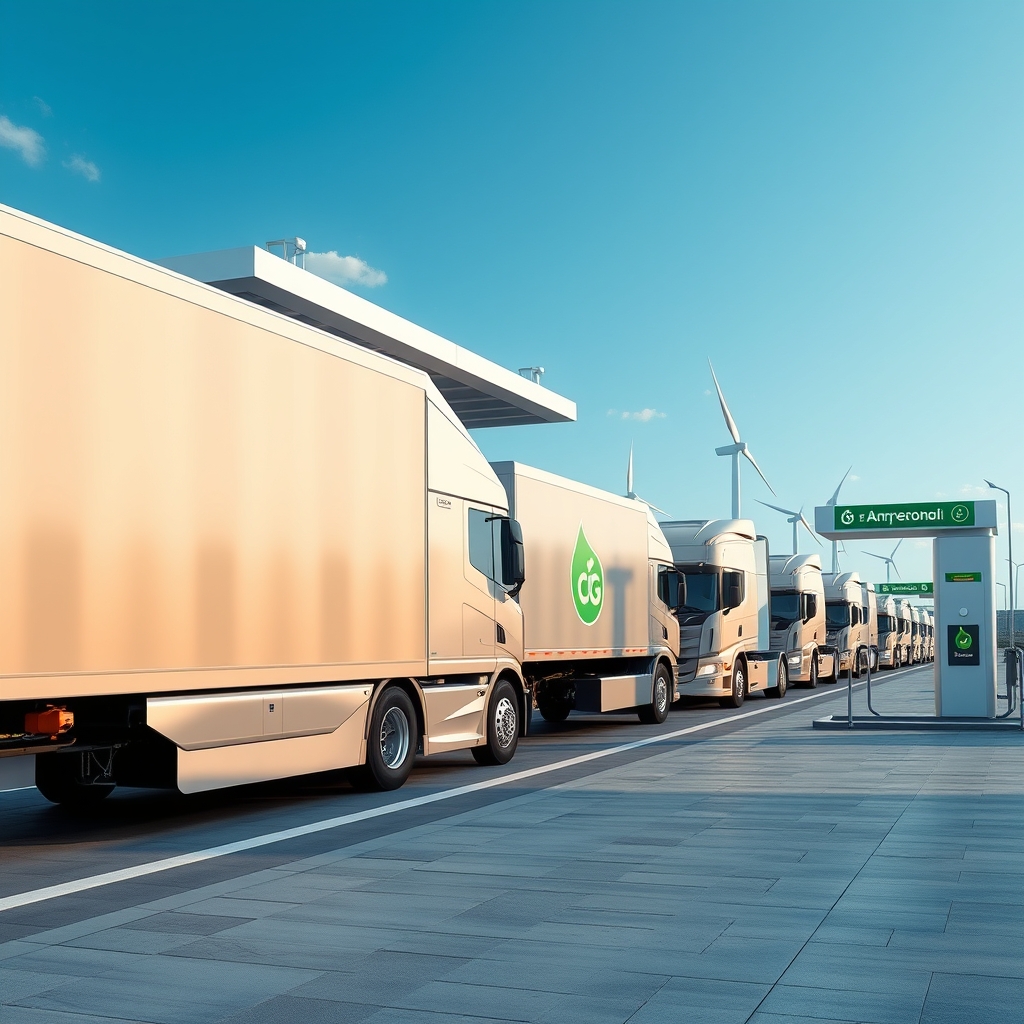
As the global push for decarbonization accelerates, industries reliant on heavy-duty transport are exploring innovative fuel alternatives to reduce their carbon footprint. Among the most promising solutions are Compressed Natural Gas (CNG) technology and E-Methanol production, two fuels that, when combined, offer a compelling pathway toward sustainable mobility. Unlike traditional fossil fuels, these alternatives provide lower emissions, greater efficiency, and compatibility with existing engine infrastructures, making them ideal for long-haul trucking, shipping, and industrial fleets.
The Advantages of Compressed Natural Gas in Heavy Transport
Compressed Natural Gas has long been recognized as a cleaner-burning alternative to diesel and gasoline. When used in heavy-duty vehicles, CNG significantly reduces nitrogen oxide (NOx) and particulate matter emissions, contributing to improved air quality. Additionally, natural gas is abundant and often domestically sourced, reducing dependence on foreign oil and enhancing energy security. Modern CNG engines are designed to optimize combustion efficiency, ensuring that vehicles maintain performance while minimizing environmental impact.
One of the key benefits of CNG is its compatibility with dual fuel systems, which allow engines to run on a blend of natural gas and diesel. This flexibility enables fleet operators to transition gradually toward cleaner fuels without requiring a complete overhaul of their existing infrastructure. Furthermore, advancements in high-pressure injection systems have improved the efficiency of CNG engines, making them a viable option for long-distance transport where range and reliability are critical.
E-Methanol: The Carbon-Neutral Fuel of the Future
While CNG offers immediate emissions reductions, E-Methanol represents a long-term solution for achieving carbon neutrality. Produced using renewable electricity and captured carbon dioxide, E-Methanol is a type of electrofuel that can be synthesized without relying on fossil resources. When burned, it releases only the CO₂ that was originally captured during its production, making it a truly carbon-neutral fuel.
E-Methanol’s versatility extends beyond its environmental benefits. It can be used in modified internal combustion engines or as a feedstock for hydrogen fuel cells, providing a flexible energy source for various applications. In heavy-duty transport, E-Methanol can be stored and transported more easily than hydrogen, as it remains liquid at ambient temperatures. This characteristic makes it particularly attractive for maritime shipping and long-haul trucking, where fuel storage and logistics are major considerations.
Bridging the Gap with Hybrid Fuel Systems
The integration of CNG and E-Methanol into a single fuel strategy presents an opportunity to create a hybrid system that leverages the strengths of both technologies. For instance, CNG can serve as an immediate, lower-emission alternative for existing fleets, while E-Methanol can be phased in as production scales and infrastructure expands. This approach allows industries to reduce emissions incrementally without sacrificing operational efficiency.
Moreover, the development of advanced biofuels and synthetic E-fuels complements this hybrid model. By blending E-Methanol with bioethanol or renewable diesel, fleets can further enhance their sustainability credentials while maintaining compatibility with current engine technologies. This synergy between different fuel types underscores the importance of a diversified approach to decarbonization, one that embraces multiple solutions rather than relying on a single silver bullet.
Overcoming Challenges in Infrastructure and Adoption
Despite their potential, the widespread adoption of CNG and E-Methanol faces several challenges. For CNG, the need for dedicated refueling stations and high-pressure storage tanks can be a barrier, particularly in regions with limited infrastructure. However, investments in CNG refueling networks are growing, driven by government incentives and corporate sustainability goals. Similarly, the production of E-Methanol requires significant renewable energy capacity, which may not yet be available at scale in all markets.
To address these challenges, collaboration between governments, energy providers, and transportation companies is essential. Policies that incentivize the development of refueling infrastructure, as well as research into more efficient production methods for E-Methanol, will be critical in accelerating adoption. Additionally, public-private partnerships can help demonstrate the viability of these fuels in real-world applications, building confidence among fleet operators and investors.
The Road Ahead: A Sustainable Future for Heavy Transport
The transition to sustainable fuels in heavy-duty transport is not a question of if, but when. As technologies like CNG and E-Methanol continue to evolve, they offer a pragmatic pathway toward reducing emissions without compromising performance or economic viability. The key lies in embracing a multi-fuel strategy that combines the immediate benefits of CNG with the long-term potential of E-Methanol, ensuring that industries can meet their decarbonization goals while maintaining operational efficiency.
The journey toward sustainable mobility is a complex one, but with innovation and collaboration, the heavy transport sector can lead the way in demonstrating how alternative fuels can power a cleaner, more resilient future. The choices made today will shape the energy landscape for decades to come, and the integration of CNG and E-Methanol represents a bold step forward in that transformation.