Liquefied Petroleum Gas Systems and Biomethane: The Unsung Heroes of Sustainable Mobility
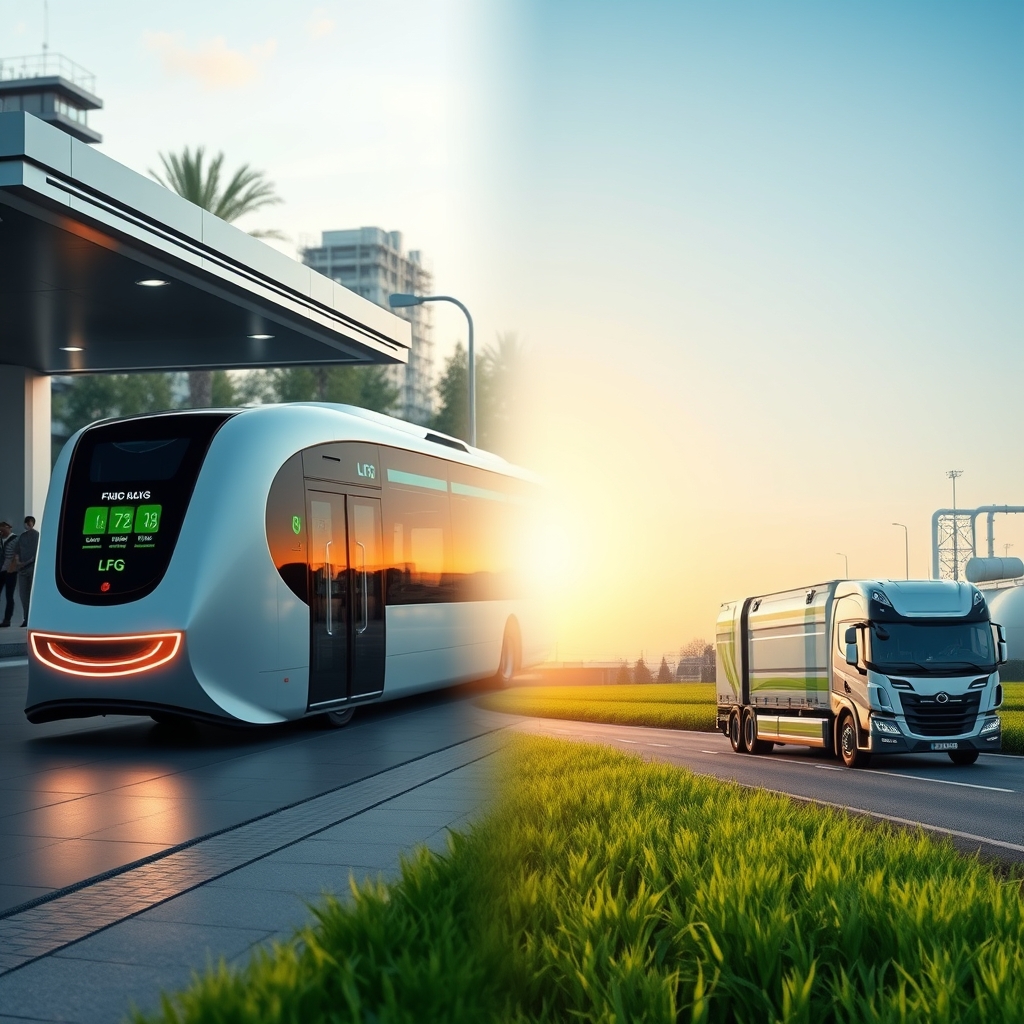
As the world accelerates its shift toward sustainable mobility, much of the conversation revolves around cutting-edge technologies like hydrogen fuel cells, synthetic e-fuels, and electric vehicles. Yet, two often-overlooked contenders—Liquefied Petroleum Gas (LPG) systems and biomethane fuel—are quietly proving their worth as practical, scalable, and immediate solutions for reducing emissions in transportation. These fuels offer a bridge between today’s fossil fuel dependency and the zero-emission future we aspire to, without requiring massive infrastructure overhauls or exorbitant costs.
The Case for Liquefied Petroleum Gas Systems
Liquefied Petroleum Gas, commonly known as LPG or autogas, is a byproduct of natural gas processing and crude oil refining. Composed primarily of propane and butane, LPG has been used as a vehicle fuel for decades, particularly in regions like Europe, Turkey, and South Korea, where it powers millions of cars, buses, and even forklifts. Its appeal lies in its simplicity: LPG can be stored and transported as a liquid under moderate pressure, making it far more energy-dense than compressed natural gas (CNG) and easier to handle than hydrogen.
Emissions and Efficiency
One of the most compelling advantages of LPG is its environmental profile. Compared to gasoline and diesel, LPG produces significantly lower levels of harmful pollutants, including nitrogen oxides (NOx), particulate matter, and carbon monoxide. Studies have shown that LPG vehicles can reduce CO2 emissions by up to 15% compared to their gasoline counterparts, while also emitting virtually no black carbon—a major contributor to air pollution and climate change. Additionally, LPG burns cleaner, resulting in less engine wear and longer vehicle lifespans.
Infrastructure and Adoption
Unlike hydrogen or electric charging networks, LPG refueling infrastructure is already well-established in many parts of the world. Existing gasoline and diesel stations can be retrofitted to dispense LPG with minimal modifications, making it a cost-effective option for fleets and individual drivers alike. Countries like Italy and Poland have demonstrated the viability of LPG as a mainstream fuel, with thousands of refueling points and a growing number of LPG-powered vehicles on the road. In emerging markets, where electric vehicle adoption remains limited by high costs and unreliable electricity grids, LPG offers a pragmatic alternative that can deliver immediate emissions reductions.
Biomethane: The Renewable Twin of Natural Gas
While LPG provides a cleaner fossil fuel option, biomethane takes sustainability a step further by offering a fully renewable alternative to natural gas. Produced through the anaerobic digestion of organic waste—such as agricultural residues, food waste, and sewage—biomethane is chemically identical to natural gas but with a near-zero carbon footprint. When upgraded and compressed, it can be used in existing CNG vehicles or injected into natural gas pipelines, making it a seamless drop-in replacement for conventional fuels.
From Waste to Wheels
The beauty of biomethane lies in its circular economy potential. By converting organic waste into fuel, it not only reduces greenhouse gas emissions but also tackles the growing problem of waste management. Landfills, for instance, are a major source of methane—a potent greenhouse gas with 28 times the global warming potential of CO2 over a 100-year period. Capturing this methane and converting it into biomethane prevents it from escaping into the atmosphere while simultaneously creating a valuable energy resource. In Sweden, biomethane already powers over 50% of the country’s public buses, demonstrating how waste can be transformed into a clean, reliable fuel source.
Performance and Versatility
Biomethane’s compatibility with existing CNG infrastructure means that vehicles can switch to this renewable fuel without any modifications. This versatility extends beyond road transport: biomethane is also being used in shipping, aviation, and even as a feedstock for producing hydrogen. In heavy-duty applications, where battery-electric solutions face challenges related to weight and range, biomethane offers a practical pathway to decarbonization. For example, Scania and Volvo have developed biomethane-powered trucks that deliver the same performance as diesel models but with up to 90% lower CO2 emissions.
The Synergy Between LPG and Biomethane
While LPG and biomethane serve different niches, their combined potential is greater than the sum of their parts. LPG excels in light-duty vehicles and regions with limited renewable energy infrastructure, offering an immediate reduction in emissions without requiring new vehicle designs. Biomethane, on the other hand, provides a long-term, fully renewable solution that can decarbonize fleets, public transport, and even industrial processes. Together, they represent a pragmatic approach to sustainable mobility—one that acknowledges the need for transitional fuels while paving the way for a fully renewable future.
Governments and businesses are beginning to recognize this potential. In the European Union, the Renewable Energy Directive (RED II) sets ambitious targets for the use of advanced biofuels like biomethane, while incentives for LPG vehicles are expanding in countries like India and Thailand. Meanwhile, companies like UPS and Amazon are integrating biomethane-powered trucks into their delivery fleets, proving that sustainability and profitability can go hand in hand.
As the world grapples with the urgent need to reduce emissions, it’s easy to overlook the solutions that are already within reach. LPG and biomethane may not grab headlines like hydrogen fuel cells or synthetic e-fuels, but their impact is undeniable. They offer a way to cut emissions today, not decades from now, while providing a foundation for the more advanced technologies of tomorrow. In the race toward sustainable mobility, sometimes the quietest innovations are the ones that make the biggest difference.