
The Invisible Revolution: How Connected Car Technology and Exhaust Aftertreatment Are Redefining Carbon Neutral Mobility
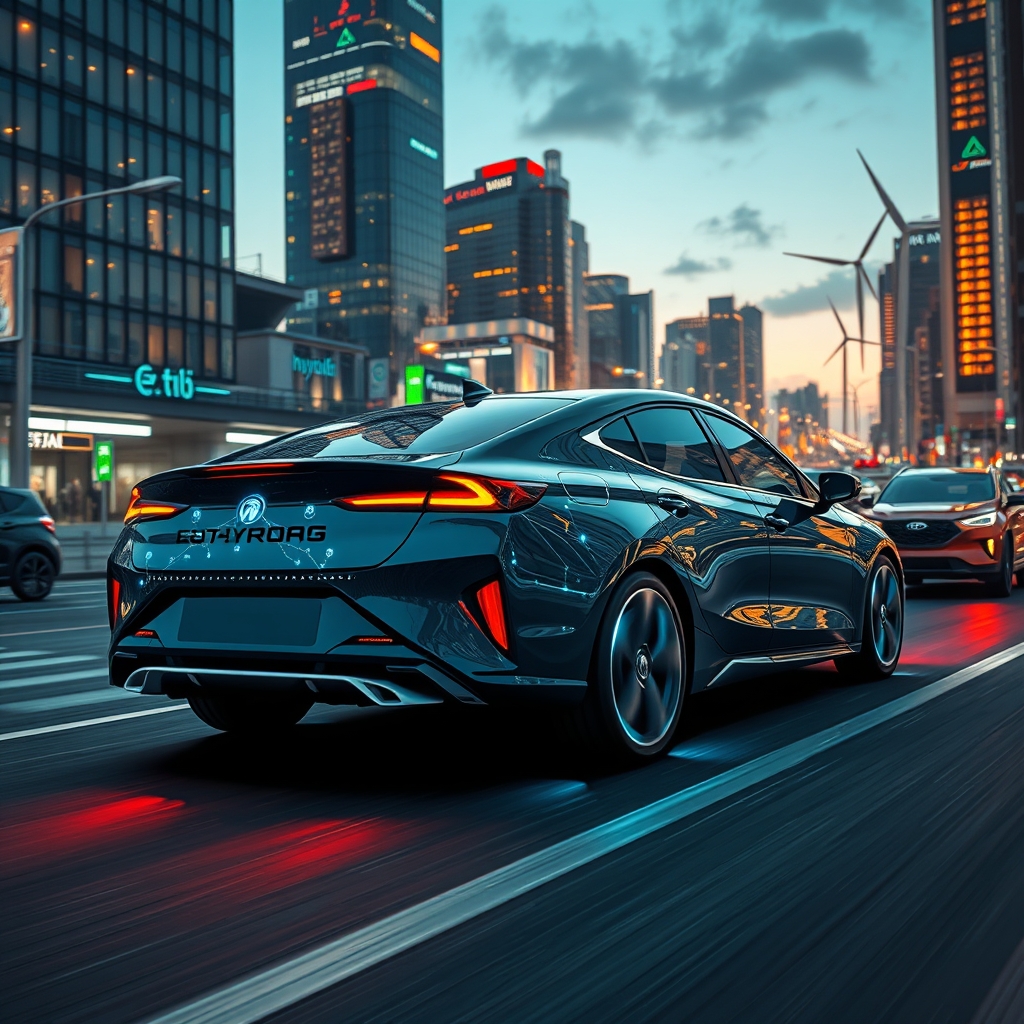
As the world accelerates toward a future where sustainability is not just a goal but a necessity, the automotive industry is undergoing a transformation that is as profound as it is invisible. Beneath the sleek exteriors of modern vehicles and the quiet hum of electric motors lies a complex web of innovations that are quietly redefining what it means to move people and goods without leaving a carbon footprint. Among these innovations, two technologies stand out for their ability to operate seamlessly in the background, yet deliver profound impacts: connected car technology and exhaust aftertreatment systems. Together, they are shaping a new era of carbon neutral mobility, where efficiency, intelligence, and environmental responsibility converge.
The Power of Connectivity in Modern Mobility
Connected car technology is no longer a futuristic concept—it is here, and it is reshaping the way we interact with vehicles. At its core, this technology leverages the power of the internet, real-time data, and advanced sensors to create a network of vehicles that communicate not only with each other but also with infrastructure, traffic systems, and even the grid itself. The implications for carbon neutral mobility are vast. By enabling vehicles to share data on traffic conditions, road hazards, and optimal routes, connected car technology reduces unnecessary idling, minimizes congestion, and ensures that journeys are as efficient as possible. This, in turn, translates to lower fuel consumption and reduced emissions, even in vehicles that are not fully electric.
But the benefits of connectivity extend beyond mere efficiency. Smart charging infrastructure, for instance, relies on connected car technology to optimize the charging process for electric vehicles (EVs). By analyzing data on grid demand, energy prices, and vehicle usage patterns, these systems ensure that EVs are charged during off-peak hours, reducing strain on the grid and maximizing the use of renewable energy sources. This level of intelligence is crucial for scaling up EV adoption without overwhelming existing energy infrastructure. Moreover, connected car technology enables predictive maintenance, alerting drivers to potential issues before they become costly or environmentally damaging problems. A well-maintained vehicle is an efficient vehicle, and efficiency is the cornerstone of carbon neutral mobility.
Exhaust Aftertreatment: The Unsung Hero of Emission Reduction
While electric vehicles dominate headlines as the future of sustainable transportation, the reality is that internal combustion engines (ICEs) will continue to play a significant role in global mobility for decades to come. This is where exhaust aftertreatment systems come into play. These systems are designed to capture and neutralize harmful pollutants before they are released into the atmosphere, turning what would otherwise be a source of environmental harm into a tool for sustainability. Technologies like selective catalytic reduction (SCR), diesel particulate filters (DPF), and lean NOx traps (LNT) have become standard in modern vehicles, drastically reducing emissions of nitrogen oxides (NOx), particulate matter, and other pollutants.
The evolution of exhaust aftertreatment systems has been nothing short of remarkable. Early iterations were bulky, expensive, and often required frequent maintenance. Today, however, these systems are more compact, efficient, and integrated into the vehicle’s overall design. Advances in materials science and engineering have led to catalysts that can operate at lower temperatures, reducing the need for additional energy input and improving overall vehicle efficiency. Furthermore, the integration of exhaust aftertreatment with connected car technology has enabled real-time monitoring of emission levels, allowing for dynamic adjustments to engine performance and aftertreatment systems to ensure optimal efficiency and compliance with environmental regulations.
The Synergy of Connected Technology and Exhaust Aftertreatment
The true potential of carbon neutral mobility lies in the synergy between connected car technology and exhaust aftertreatment systems. Imagine a scenario where a fleet of hybrid vehicles, equipped with advanced aftertreatment systems, communicates in real-time with a smart city’s traffic management system. As these vehicles approach intersections, their engines adjust to minimize idling, reducing both fuel consumption and emissions. Simultaneously, their aftertreatment systems fine-tune their operation based on real-time air quality data, ensuring that even the smallest amounts of pollutants are captured and neutralized. This level of integration is not just a possibility—it is already being tested in cities around the world, where pilot programs are demonstrating the feasibility of a fully connected, low-emission transportation ecosystem.
For vehicles that rely on internal combustion engines, this synergy is particularly transformative. While the long-term goal may be a world dominated by zero emission vehicles (ZEVs), the transition will take time. In the interim, technologies like exhaust aftertreatment and connected car systems serve as critical bridges, allowing us to reduce emissions from existing vehicles while paving the way for a fully sustainable future. Even in hybrid powertrains, where electric motors and ICEs coexist, the combination of connectivity and aftertreatment ensures that every mile driven is as clean and efficient as possible.
Beyond Emissions: The Broader Impact of These Technologies
The benefits of connected car technology and exhaust aftertreatment systems extend far beyond emission reduction. For instance, the data generated by connected vehicles can be used to improve urban planning, reduce traffic accidents, and enhance the overall efficiency of transportation networks. Cities can use this data to identify congestion hotspots, optimize traffic light timings, and even plan the placement of charging stations for electric vehicles. Meanwhile, exhaust aftertreatment systems contribute to public health by reducing air pollution, which is linked to respiratory diseases, cardiovascular problems, and premature deaths. By cleaning up the air we breathe, these technologies are not just protecting the environment—they are saving lives.
Moreover, the integration of these technologies into the broader framework of sustainable transportation opens up new possibilities for innovation. For example, the rise of renewable diesel—a fuel produced from sustainable sources like waste oils and agricultural residues—complements exhaust aftertreatment systems by providing a cleaner-burning alternative to conventional diesel. When used in conjunction with advanced aftertreatment, renewable diesel can achieve near-zero emissions, making it a viable option for industries that rely on heavy-duty vehicles, such as logistics and construction. Similarly, the data generated by connected car technology can inform the development of synthetic fuels, which are designed to be carbon-neutral by capturing CO2 during their production process. These fuels can be used in existing ICEs with minimal modifications, offering a pathway to decarbonization that does not require an immediate overhaul of global vehicle fleets.
The journey toward carbon neutral mobility is not defined by a single technology or innovation, but by the collective impact of countless advancements working in harmony. Connected car technology and exhaust aftertreatment systems may operate quietly in the background, but their influence is undeniable. They represent the invisible threads that weave together the fabric of sustainable transportation, ensuring that every mile driven is a step toward a cleaner, healthier, and more efficient future. As these technologies continue to evolve, they will not only redefine the vehicles we drive but also the way we think about mobility itself—proving that the most powerful revolutions are often the ones we don’t see coming.