
The Role of Advanced Biofuels and Direct Fuel Injection in Shaping Sustainable Mobility
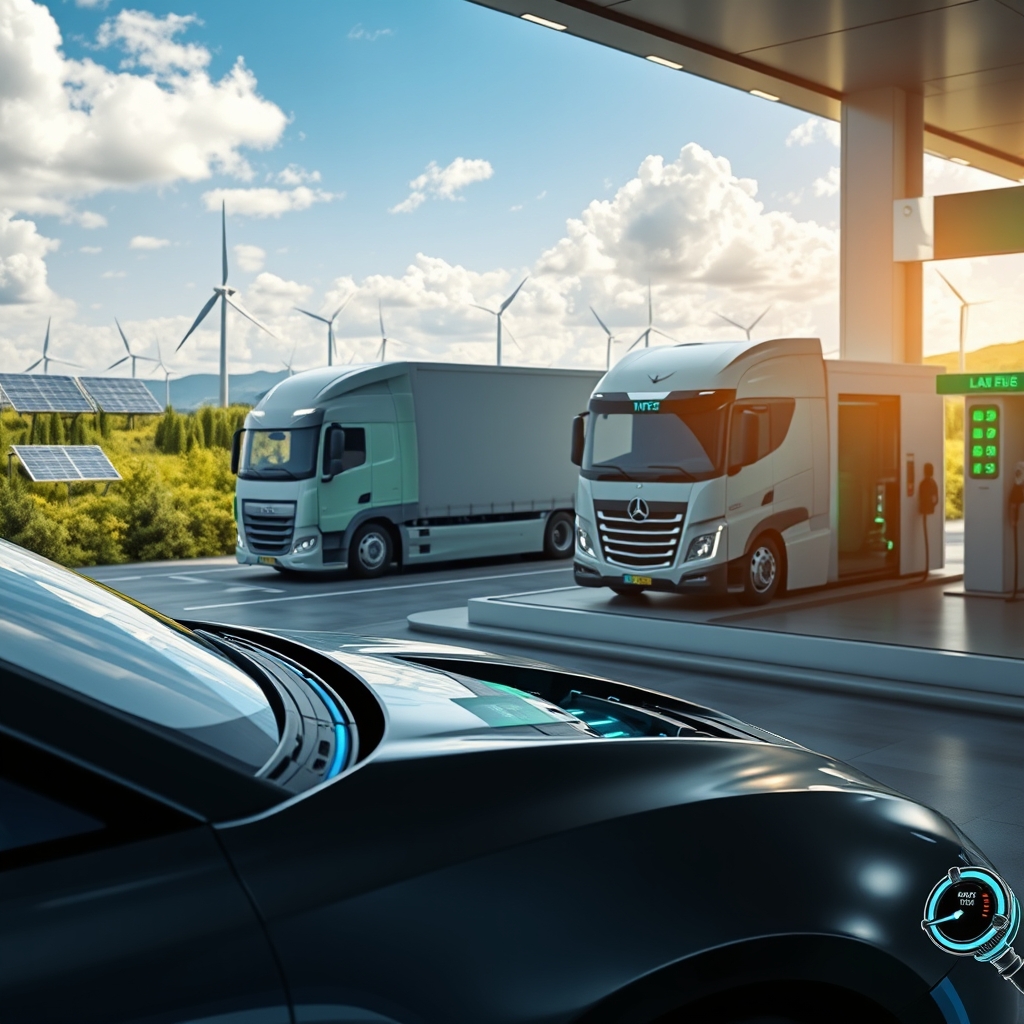
The transportation sector stands at a crossroads, facing the urgent need to reduce greenhouse gas emissions while maintaining efficiency and performance. Among the most promising solutions are advanced biofuels and cutting-edge fuel delivery systems like direct fuel injection. These technologies are not just incremental improvements but transformative innovations that could redefine how we power vehicles, ships, and even aircraft in the coming decades.
The Promise of Advanced Biofuels
Advanced biofuels represent a significant leap forward from first-generation biofuels like corn-based ethanol. Derived from non-food biomass such as agricultural residues, algae, and waste materials, these fuels offer a sustainable alternative to fossil fuels without competing with food production. Unlike traditional biofuels, advanced biofuels can achieve near-zero carbon emissions when produced using renewable energy sources, making them a cornerstone of carbon-neutral transportation.
One of the most exciting developments in this space is the production of bioethanol blends from cellulosic materials. These blends can be used in existing internal combustion engines with little to no modification, providing an immediate pathway to lower emissions. Additionally, algae-based biofuels are gaining traction due to their high energy density and ability to be cultivated in non-arable land or even wastewater, further enhancing their sustainability credentials.
From Waste to Energy: The Circular Economy in Action
The circular economy model is at the heart of advanced biofuel production. By converting waste streams—such as forestry residues, municipal solid waste, or even used cooking oil—into high-value fuels, this approach not only reduces landfill use but also creates a closed-loop system where waste becomes a resource. For example, biomethane fuel, derived from organic waste through anaerobic digestion, can be used as a direct replacement for compressed natural gas (CNG) in vehicles, offering a renewable and low-emission alternative.
Direct Fuel Injection: Maximizing Efficiency and Performance
While advanced biofuels provide a cleaner energy source, the efficiency of their combustion is equally critical. This is where direct fuel injection (DFI) technology comes into play. Unlike traditional port fuel injection systems, DFI delivers fuel directly into the combustion chamber, allowing for precise control over the fuel-air mixture. This results in improved fuel atomization, better combustion efficiency, and reduced emissions.
High-pressure injection systems take this a step further by enabling even finer fuel atomization, which is particularly beneficial for advanced biofuels. These fuels often have different combustion characteristics compared to gasoline or diesel, and high-pressure injection helps optimize their performance. For instance, renewable diesel—a drop-in replacement for petroleum diesel—benefits from DFI by achieving higher thermal efficiency and lower particulate emissions, making it an ideal choice for heavy-duty transportation.
The Synergy Between Biofuels and DFI
The combination of advanced biofuels and direct fuel injection creates a powerful synergy. Biofuels like bioethanol and renewable diesel can be optimized for DFI systems to achieve near-complete combustion, minimizing waste and maximizing energy output. This synergy is particularly valuable in applications where electrification is challenging, such as long-haul trucking, shipping, and aviation. For example, synthetic e-fuels—produced using renewable electricity and captured carbon dioxide—can be used in DFI-equipped engines to achieve carbon-neutral performance without requiring new infrastructure.
Overcoming Challenges: Scalability and Infrastructure
Despite their potential, advanced biofuels and DFI technologies face hurdles in scalability and infrastructure. The production of advanced biofuels requires significant investment in biorefineries and supply chains, while DFI systems demand advanced engineering and materials to handle high pressures and temperatures. However, ongoing research and innovation are addressing these challenges. For instance, electrofuels technology—where renewable electricity is used to produce liquid fuels from carbon dioxide and water—offers a scalable solution that could complement biofuels in the transition to sustainable mobility.
Infrastructure development is another critical factor. While biofuels like bioethanol and renewable diesel can be used in existing fueling networks, other advanced fuels such as hydrogen or ammonia require new storage and distribution systems. Governments and private sector players are increasingly collaborating to build this infrastructure, recognizing that a mix of fuels and technologies will be necessary to achieve a carbon-neutral future.
The Road Ahead: A Multi-Fuel Future
The future of sustainable mobility is unlikely to rely on a single solution. Instead, a diverse portfolio of fuels and technologies—including advanced biofuels, synthetic e-fuels, hydrogen, and electrification—will coexist to meet the unique demands of different transportation sectors. Direct fuel injection will play a pivotal role in this landscape, enabling engines to run efficiently on a variety of fuels while minimizing emissions. As these technologies mature, they will not only reduce the environmental impact of transportation but also enhance energy security and create new economic opportunities.
The journey toward sustainable mobility is complex and multifaceted, but the progress in advanced biofuels and fuel injection technologies offers a clear path forward. By embracing innovation and collaboration, we can transform the way we move, ensuring that future generations inherit a cleaner, more resilient world. The shift is already underway, and the choices we make today will determine the speed and success of this transition, proving that sustainability and performance can go hand in hand.