
The Hydrogen Horizon: How Fuel Cells and Smart Infrastructure Are Accelerating the Shift to Zero Emission Mobility
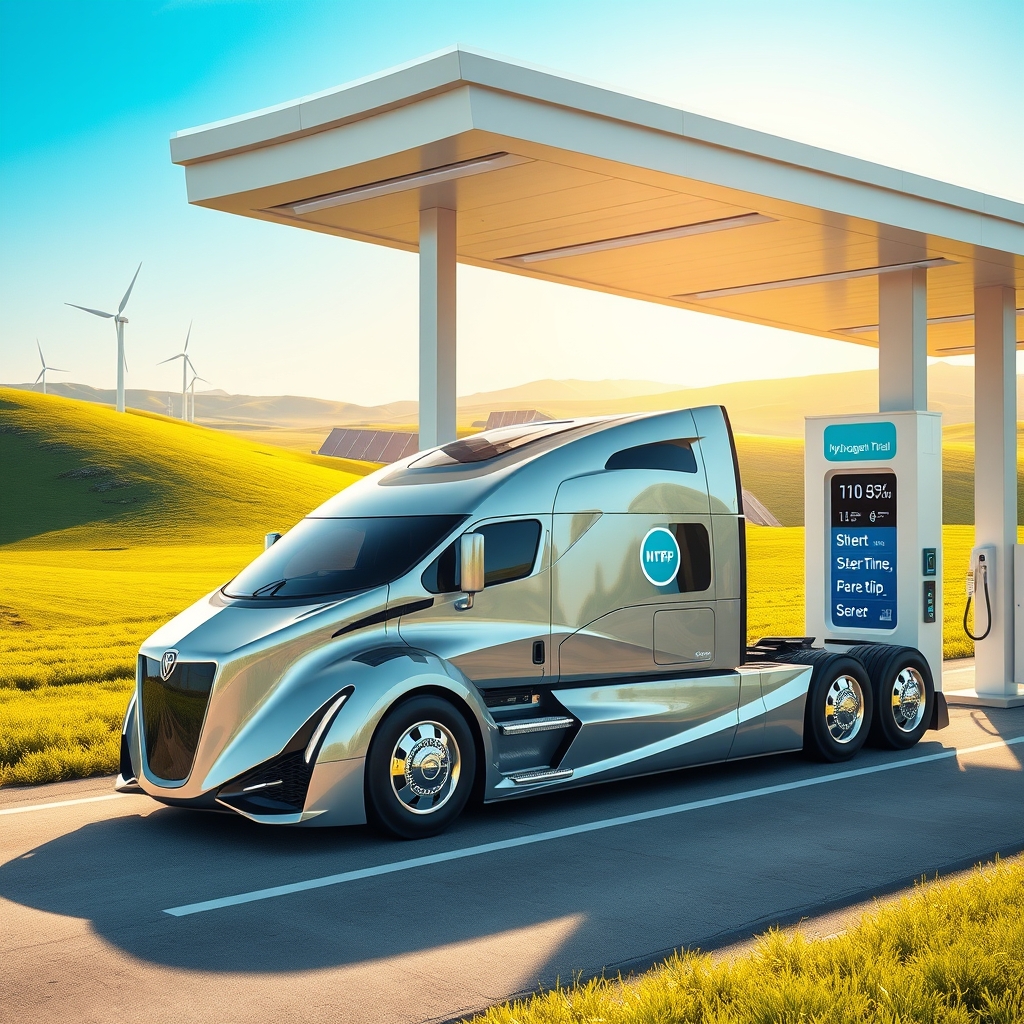
As the world races toward a carbon-neutral future, the transportation sector stands at the forefront of innovation, seeking alternatives that balance performance, sustainability, and practicality. While electric vehicles (EVs) have dominated the conversation, another technology is quietly gaining momentum—hydrogen fuel cells. These systems offer a compelling vision for zero-emission mobility, particularly in applications where battery-electric solutions face limitations. From long-haul trucking to maritime transport, hydrogen is emerging as a versatile and scalable solution, but its success hinges on the development of smart infrastructure and advancements in fuel cell efficiency.
The Science Behind Hydrogen Fuel Cells
At the heart of hydrogen-powered vehicles lies the fuel cell, a device that converts chemical energy into electrical energy through an electrochemical reaction. Unlike traditional internal combustion engines, which burn fuel to generate power, fuel cells combine hydrogen with oxygen from the air to produce electricity, with water and heat as the only byproducts. This process is not only emissions-free but also highly efficient, with modern fuel cells achieving thermal efficiency rates of up to 60%, far surpassing conventional gasoline engines.
The most common type of fuel cell used in transportation is the proton-exchange membrane (PEM) fuel cell. These systems operate at relatively low temperatures (around 80°C) and offer rapid start-up times, making them ideal for automotive applications. However, challenges remain, particularly in terms of cost, durability, and the need for high-purity hydrogen. Researchers are actively exploring alternative materials, such as platinum-free catalysts and advanced membrane technologies, to address these hurdles and make fuel cells more commercially viable.
The Infrastructure Challenge: Building a Hydrogen Economy
One of the biggest obstacles to widespread hydrogen adoption is the lack of refueling infrastructure. Unlike electric vehicles, which can leverage existing electrical grids for charging, hydrogen vehicles require a dedicated network of production, storage, and dispensing facilities. This presents a classic “chicken-and-egg” dilemma: automakers are hesitant to invest in hydrogen vehicles without sufficient refueling stations, while energy companies are reluctant to build infrastructure without a critical mass of hydrogen-powered vehicles on the road.
Despite these challenges, progress is being made. Countries like Japan, Germany, and South Korea are leading the charge, with ambitious plans to expand their hydrogen refueling networks. In the United States, California has emerged as a hub for hydrogen infrastructure, with over 50 refueling stations already in operation. Meanwhile, innovations in smart charging infrastructure—such as mobile refueling units and on-site hydrogen generation—are helping to bridge the gap, making it easier for fleets and individual consumers to adopt hydrogen technology.
The Role of Renewable Hydrogen
Not all hydrogen is created equal. The majority of hydrogen produced today is derived from natural gas through a process called steam methane reforming, which generates significant carbon emissions. To truly achieve zero-emission mobility, the industry must shift toward renewable hydrogen, produced using electrolysis powered by wind, solar, or other clean energy sources. This “green hydrogen” is carbon-neutral and aligns with global sustainability goals, but its production remains costly and energy-intensive.
Advancements in electrolysis technology, such as high-temperature solid oxide electrolysis cells (SOECs), are improving efficiency and reducing costs. Additionally, projects like the European Union’s “Green Hydrogen for Europe” initiative are scaling up production, aiming to make renewable hydrogen competitive with fossil-based alternatives by 2030. As these efforts gain traction, hydrogen fuel cells could become a cornerstone of carbon-neutral mobility, particularly in hard-to-decarbonize sectors like aviation and shipping.
Hydrogen vs. Batteries: A Complementary Future
The debate between hydrogen fuel cells and battery-electric vehicles often frames the two technologies as competitors, but in reality, they are likely to coexist, each serving different niches within the transportation ecosystem. Battery-electric vehicles excel in short- to medium-range applications, such as passenger cars and urban delivery vehicles, where their high energy efficiency and lower upfront costs make them an attractive option. Hydrogen, on the other hand, offers advantages in long-haul trucking, buses, and other heavy-duty applications, where the need for rapid refueling and high energy density outweighs the higher cost of fuel cell systems.
Hybrid powertrains that combine fuel cells with batteries are also gaining attention. These systems use fuel cells to generate electricity, which can either power the vehicle directly or charge a smaller battery for additional range. This approach leverages the strengths of both technologies, offering extended range and faster refueling times while maintaining high efficiency. Companies like Toyota and Hyundai are already exploring this hybrid model, with prototypes demonstrating its potential for both passenger and commercial vehicles.
The Synergy with Autonomous Driving
Hydrogen fuel cells also hold promise in the realm of autonomous driving systems. Self-driving vehicles, particularly those used in ride-hailing and logistics, require reliable, long-range power sources to maximize uptime and minimize downtime for refueling or recharging. Hydrogen’s rapid refueling capabilities make it an ideal match for autonomous fleets, where operational efficiency is paramount. Additionally, the integration of connected car technology can optimize hydrogen refueling logistics, ensuring that vehicles are directed to the nearest available station and reducing idle time.
Companies like Nikola and Hyzon Motors are already developing hydrogen-powered autonomous trucks, with pilot programs underway in the United States and Europe. These vehicles combine fuel cell technology with advanced driver-assistance systems (ADAS) and vehicle-to-infrastructure (V2I) communication, creating a seamless, zero-emission mobility solution for the future.
Overcoming Barriers to Adoption
Despite its potential, hydrogen fuel cell technology faces several barriers to widespread adoption. High production costs, limited infrastructure, and public skepticism about safety are among the most significant challenges. However, ongoing research and development are addressing these issues. For example, advancements in materials science are reducing the need for expensive platinum catalysts, while modular refueling stations are making it easier to deploy infrastructure in remote or underserved areas.
Government policies and incentives are also playing a crucial role in accelerating hydrogen adoption. Subsidies for fuel cell vehicles, tax credits for hydrogen production, and investments in research and development are helping to level the playing field. The U.S. Department of Energy’s “Hydrogen Shot” initiative, for instance, aims to reduce the cost of clean hydrogen to $1 per kilogram within a decade, a target that could make hydrogen competitive with gasoline and diesel.
As the world transitions toward sustainable transportation, hydrogen fuel cells are poised to play a pivotal role in shaping the future of mobility. While challenges remain, the progress being made in technology, infrastructure, and policy is laying the groundwork for a hydrogen-powered revolution. Whether as a standalone solution or part of a hybrid powertrain, hydrogen offers a pathway to zero-emission mobility that complements and extends the capabilities of battery-electric vehicles. The road ahead is not without obstacles, but with continued innovation and collaboration, hydrogen could very well become the fuel of the future, driving us toward a cleaner, greener world.