
The Future of Transportation: Embracing Eco-Friendly Fuels
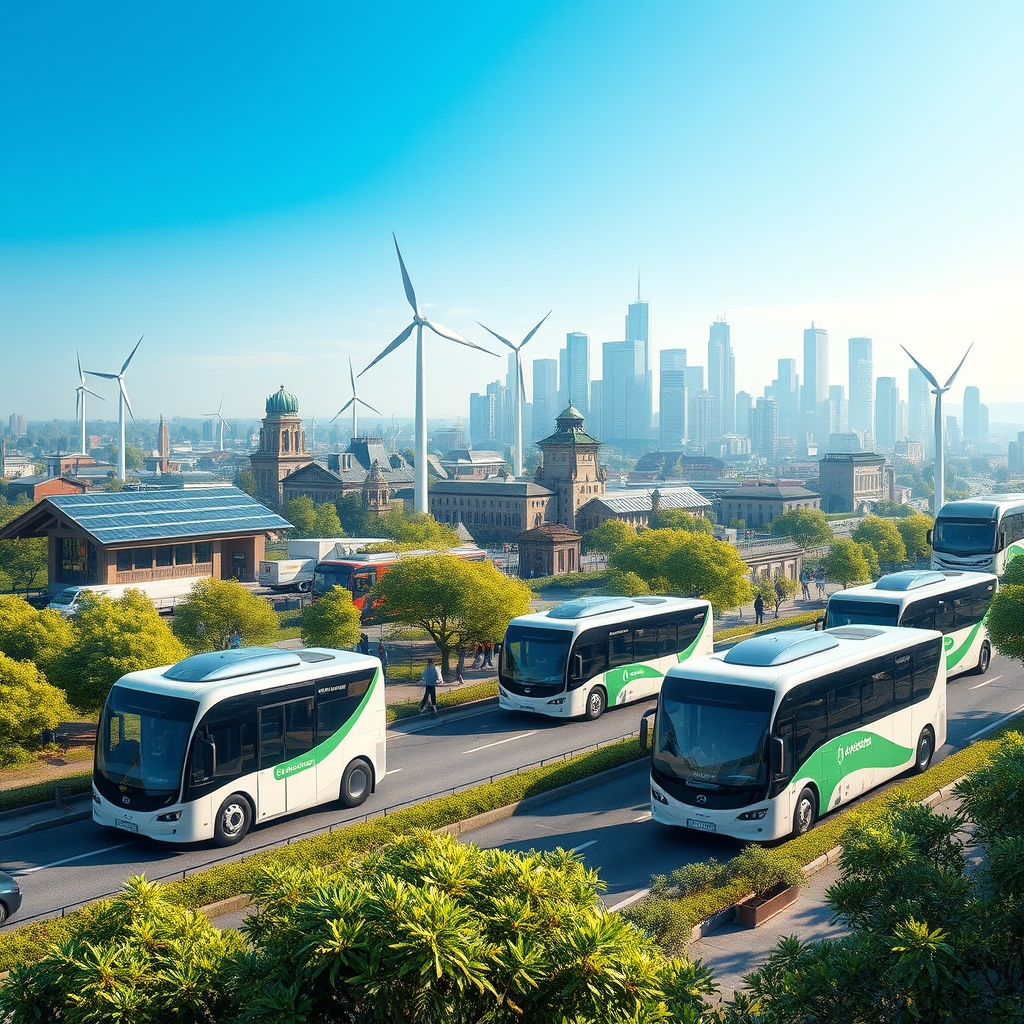
In an era where environmental concerns are at the forefront of global discussions, the transportation sector is under immense pressure to adopt more sustainable practices. Traditional fossil fuels, while reliable, contribute significantly to air pollution and greenhouse gas emissions. This has sparked a global movement towards the development and adoption of eco-friendly fuels. Among these, water-based fuels, or hydrogen fuels, have emerged as promising alternatives.
Understanding Eco-Friendly Fuels
What Are Eco-Friendly Fuels?
Eco-friendly fuels are substances used to power engines or other machinery that have minimal or no adverse effects on the environment. They are typically produced from renewable resources and emit lower levels of pollutants compared to traditional fuels. These fuels can be categorized into several types, including biofuels, hydrogen fuels, and synthetic fuels.
Benefits of Eco-Friendly Fuels
The shift towards eco-friendly fuels offers numerous benefits. Firstly, they help reduce greenhouse gas emissions, which are a major contributor to climate change. Secondly, they can lower the dependence on fossil fuels, which are finite resources. Additionally, these fuels can improve air quality by reducing the emission of harmful pollutants like nitrogen oxides and particulate matter. Lastly, they can create new economic opportunities and jobs in the renewable energy sector.
Water-Based Fuels: A Promising Alternative
What Are Water-Based Fuels?
Water-based fuels, also known as hydrogen fuels, are a type of eco-friendly fuel that uses water as a primary feedstock. They are produced through a process called electrolysis, where water is split into hydrogen and oxygen using electricity from renewable sources like solar or wind power. The hydrogen can then be used as a fuel, either directly or in the form of a carrier like ammonia or methanol.
Advantages of Water-Based Fuels
Water-based fuels offer several advantages over traditional fuels. Firstly, they are carbon-free, meaning they do not contribute to greenhouse gas emissions. Secondly, they are highly energy-dense, providing a significant amount of energy per unit of fuel. Additionally, they can be produced locally, reducing the need for long-distance transportation of fuel. Lastly, they can be used in a variety of applications, from powering vehicles to heating homes.
Challenges and Solutions
Current Challenges
Despite their numerous advantages, water-based fuels face several challenges. One of the main challenges is the high cost of production, primarily due to the high cost of renewable electricity. Additionally, the infrastructure for storing and distributing hydrogen is still in its infancy. Lastly, there is a lack of public awareness and acceptance of hydrogen as a fuel.
Potential Solutions
To overcome these challenges, several solutions are being explored. Firstly, advancements in technology, such as more efficient electrolysis and fuel cell technologies, can help reduce the cost of production. Secondly, governments and private companies are investing in the development of hydrogen infrastructure, including storage facilities and distribution networks. Lastly, public education and awareness campaigns can help build acceptance and understanding of hydrogen as a fuel.
The future of transportation is undeniably shifting towards more sustainable practices. Eco-friendly fuels, particularly water-based fuels, offer a promising alternative to traditional fossil fuels. While challenges remain, advancements in technology and increased investment are paving the way for a greener, cleaner future. As we continue to explore and develop these innovative fuels, we are not only reducing our environmental impact but also creating new economic opportunities and jobs. The journey towards a sustainable future is just beginning, and every step we take brings us closer to a world where transportation is clean, efficient, and eco-friendly.