
The Untapped Potential of Synthetic Fuels and Dual Fuel Combustion in the Race Toward Carbon Neutral Mobility
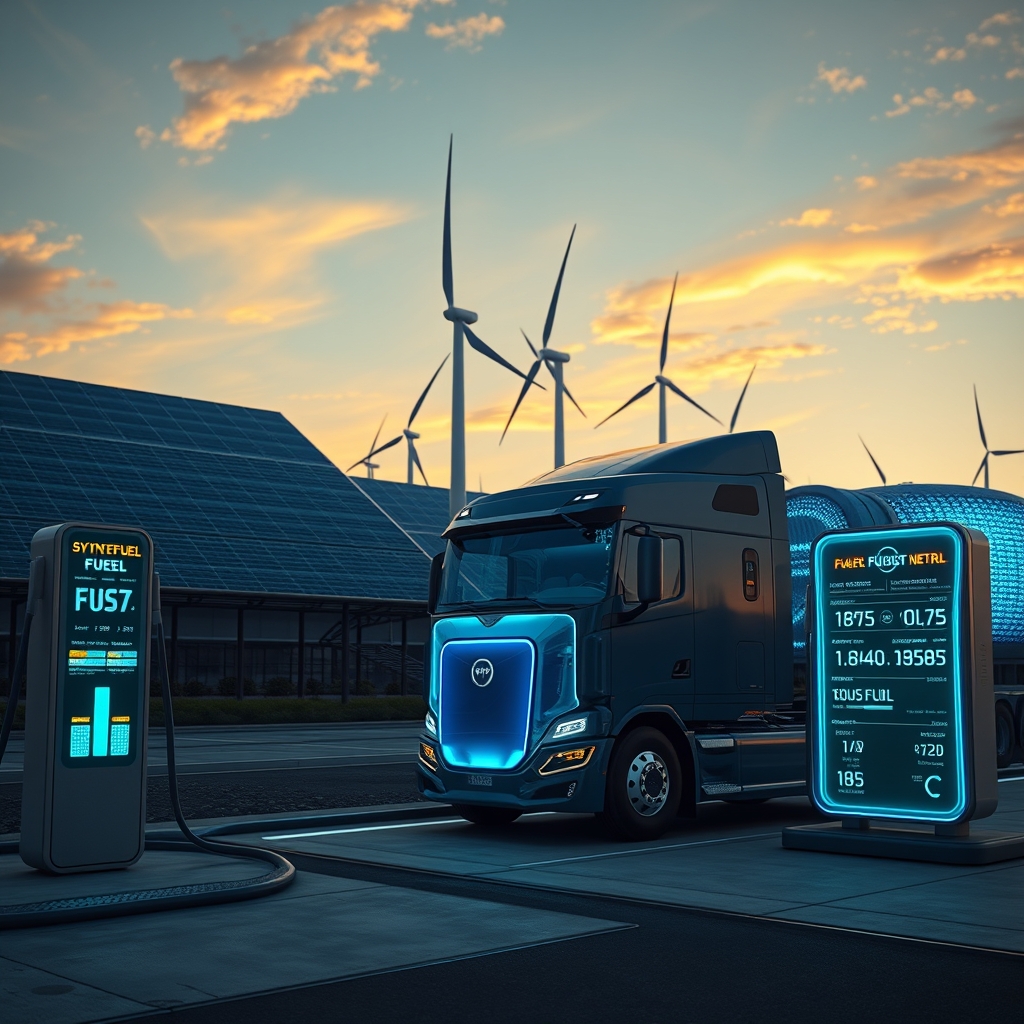
The transportation sector stands at a crossroads, where the urgency to reduce carbon emissions clashes with the practical challenges of transitioning away from fossil fuels. While electric vehicles (EVs) and hydrogen fuel cells dominate the conversation around zero-emission mobility, a quieter revolution is unfolding—one that leverages the existing infrastructure of internal combustion engines (ICEs) while drastically cutting emissions. Synthetic fuels and dual fuel combustion systems are emerging as unexpected allies in this transition, offering a pragmatic bridge between today’s technologies and a sustainable future.
The Case for Synthetic Fuels: Carbon Neutrality Without Reinventing the Wheel
Synthetic fuels, or e-fuels, are manufactured using renewable energy to combine hydrogen with captured carbon dioxide, creating a liquid fuel that can be used in conventional ICEs. Unlike biofuels, which rely on organic feedstocks, synthetic fuels are produced through a chemical process that ensures a closed carbon loop. When burned, they release only the CO2 that was originally captured, making them carbon-neutral over their lifecycle. This characteristic is particularly compelling for industries where electrification is challenging, such as aviation, shipping, and long-haul trucking.
One of the most significant advantages of synthetic fuels is their compatibility with existing infrastructure. Gas stations, pipelines, and even the engines in today’s vehicles can utilize these fuels with minimal modifications. This eliminates the need for costly overhauls of fuel distribution networks, a hurdle that has slowed the adoption of hydrogen and electric charging infrastructure in some regions. Moreover, synthetic fuels can be stored and transported using the same methods as conventional fuels, addressing one of the key limitations of battery-electric and hydrogen-powered systems: energy density.
The Role of Renewable Energy in Synthetic Fuel Production
The environmental benefits of synthetic fuels hinge on the source of the energy used in their production. If the electricity comes from renewable sources like wind, solar, or hydro, the entire process can be carbon-neutral. However, if fossil fuels power the production, the benefits are diminished. This underscores the importance of scaling renewable energy capacity alongside synthetic fuel production. Countries with abundant renewable resources, such as Chile and Morocco, are already positioning themselves as leaders in this space, leveraging their solar and wind potential to produce cost-competitive e-fuels.
Dual Fuel Combustion: Maximizing Efficiency and Minimizing Emissions
While synthetic fuels offer a drop-in solution for existing engines, dual fuel combustion systems take efficiency and emissions reduction a step further. These systems allow engines to run on a combination of two fuels—typically diesel and a cleaner alternative like natural gas, hydrogen, or even synthetic fuels. By optimizing the ratio of the two fuels, dual fuel systems can significantly reduce nitrogen oxide (NOx) and particulate emissions while improving thermal efficiency.
In heavy-duty applications, such as trucks and marine vessels, dual fuel systems have demonstrated the ability to cut CO2 emissions by up to 30% compared to conventional diesel engines. The technology works by using the cleaner fuel to initiate combustion, while the diesel fuel ensures stable and efficient operation. This hybrid approach leverages the strengths of both fuels, resulting in a system that is more efficient and less polluting than either fuel alone.
Overcoming Challenges in Dual Fuel Adoption
Despite their promise, dual fuel systems face several hurdles. One of the primary challenges is the need for specialized engine modifications and fuel storage systems, which can increase upfront costs. Additionally, the availability of alternative fuels, particularly hydrogen, remains limited in many regions. However, as infrastructure for hydrogen and synthetic fuels expands, these barriers are expected to diminish. Governments and industry players are also exploring incentives to accelerate adoption, such as tax breaks for fleet operators who switch to dual fuel systems.
The Synergy Between Synthetic Fuels and Dual Fuel Systems
The true potential of synthetic fuels and dual fuel combustion lies in their combined use. Synthetic fuels can serve as the primary or secondary fuel in dual fuel systems, creating a powerful synergy that maximizes efficiency and minimizes emissions. For example, a truck running on a blend of synthetic diesel and hydrogen could achieve near-zero emissions while maintaining the range and performance required for long-haul operations. This combination could be particularly transformative for sectors where battery-electric solutions are impractical due to weight and charging constraints.
Moreover, the integration of connected car technology and smart charging infrastructure could further enhance the efficiency of these systems. Real-time data from vehicles could optimize fuel blends based on driving conditions, while smart grids could ensure that the renewable energy used to produce synthetic fuels is sourced from the most efficient and sustainable providers. This level of integration would create a truly carbon-neutral mobility ecosystem, where every component works in harmony to reduce emissions.
Looking Ahead: A Multi-Pathway Approach to Carbon Neutral Mobility
The transition to carbon-neutral mobility is not a one-size-fits-all endeavor. While electric vehicles and hydrogen fuel cells will play a critical role, synthetic fuels and dual fuel combustion systems offer a complementary pathway that leverages existing infrastructure and technology. By embracing a multi-pathway approach, the transportation sector can accelerate its decarbonization efforts without leaving behind industries or regions that are not yet ready for a full shift to electrification.
As the world races toward a sustainable future, the conversation around mobility must expand beyond the binary choice of electric versus fossil fuels. Innovations like synthetic fuels and dual fuel combustion demonstrate that the path to carbon neutrality is not a straight line but a network of interconnected solutions. Each technology, whether it’s a solid-state battery, a hydrogen fuel cell, or a dual fuel engine, brings unique strengths to the table. The challenge—and the opportunity—lies in integrating these solutions into a cohesive strategy that balances environmental goals with economic and practical realities. The road ahead is complex, but with the right mix of innovation and collaboration, a carbon-neutral future is within reach.