
Dual Fuel Systems and Renewable Diesel: The Hybrid Revolution in Clean Transportation
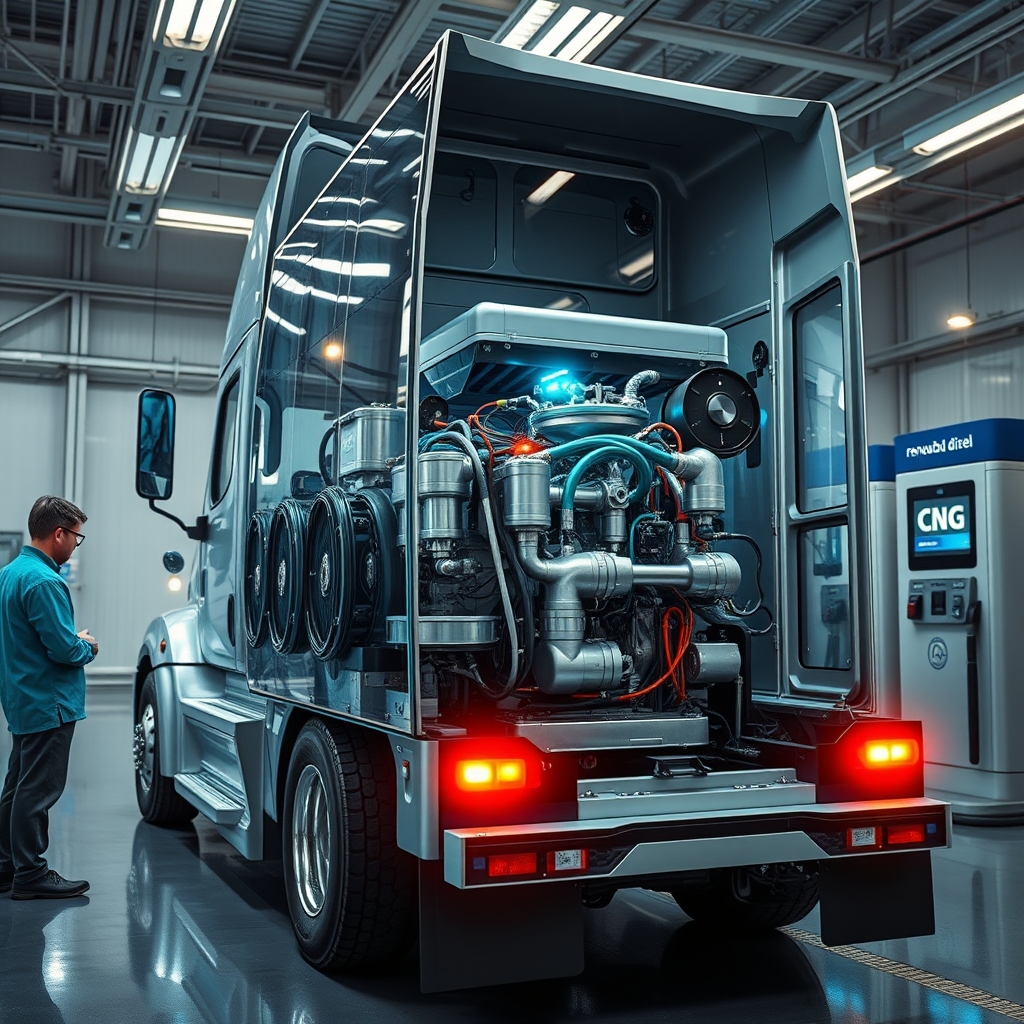
The transportation sector stands at a crossroads, facing the urgent need to reduce carbon emissions while maintaining efficiency and performance. Among the most promising advancements in this space are dual fuel systems and renewable diesel, two technologies that are reshaping how we power vehicles without sacrificing reliability. By blending traditional fuels with cleaner alternatives, these innovations offer a pragmatic bridge toward a fully sustainable future.
The Mechanics of Dual Fuel Systems
Dual fuel systems represent a sophisticated approach to engine design, allowing vehicles to operate on two different types of fuel simultaneously. Typically, these systems combine diesel with a gaseous fuel such as compressed natural gas (CNG), biomethane, or even hydrogen. The primary fuel, often diesel, ignites the secondary fuel through compression, optimizing combustion efficiency while reducing harmful emissions.
One of the key advantages of dual fuel technology is its adaptability. Existing diesel engines can often be retrofitted to accommodate dual fuel setups, making it a cost-effective solution for fleet operators and heavy-duty vehicles. This flexibility ensures a smoother transition away from fossil fuels without requiring a complete overhaul of current infrastructure.
How Renewable Diesel Complements the Equation
While dual fuel systems enhance engine versatility, renewable diesel provides a drop-in replacement for conventional diesel, offering immediate environmental benefits. Unlike biodiesel, which is produced through transesterification, renewable diesel is synthesized using hydrotreating or gasification processes, resulting in a fuel that is chemically identical to petroleum diesel but derived from sustainable feedstocks like waste fats, vegetable oils, and even algae.
The compatibility of renewable diesel with existing engines and fueling infrastructure makes it an attractive option for industries reliant on diesel-powered machinery. It delivers comparable performance while significantly lowering greenhouse gas emissions, often by as much as 60-90% compared to fossil diesel. When paired with dual fuel systems, renewable diesel can further amplify these benefits, creating a hybrid solution that maximizes efficiency and sustainability.
Real-World Applications and Benefits
The integration of dual fuel systems and renewable diesel is already making an impact across various sectors. In commercial trucking, for instance, fleets are adopting these technologies to meet stringent emissions regulations without compromising on power or range. Public transportation systems are also exploring dual fuel buses, which can switch between diesel and biomethane, reducing both operational costs and environmental footprint.
Agriculture and construction industries, where diesel engines dominate, are beginning to embrace renewable diesel as a viable alternative. The ability to use existing equipment without modifications accelerates adoption, making it easier for businesses to align with sustainability goals. Additionally, the reduced particulate matter and nitrogen oxide emissions contribute to improved air quality, particularly in urban areas where vehicle density is high.
Challenges and the Path Forward
Despite their potential, dual fuel systems and renewable diesel face hurdles that must be addressed for widespread adoption. One of the primary challenges is the availability and distribution of alternative fuels. While renewable diesel production is expanding, it remains limited in some regions, creating supply chain bottlenecks. Similarly, the infrastructure for gaseous fuels like CNG and biomethane requires significant investment to support large-scale deployment.
Cost is another consideration. Although renewable diesel offers long-term savings through reduced emissions penalties and fuel efficiency, the initial production costs can be higher than conventional diesel. Governments and private sectors must collaborate to incentivize production and usage, making these fuels more accessible to consumers and businesses alike.
The Role of Policy and Innovation
Policy frameworks play a crucial role in accelerating the adoption of dual fuel systems and renewable diesel. Incentives such as tax credits, grants, and emissions regulations can drive investment in cleaner technologies. For example, the European Union’s Renewable Energy Directive and the U.S. Environmental Protection Agency’s Renewable Fuel Standard have spurred growth in biofuel production, including renewable diesel.
Innovation in fuel production and engine technology will also determine the future of these systems. Advances in synthetic biology and electrofuels could lead to more efficient and scalable methods for producing renewable diesel. Meanwhile, improvements in engine control systems and fuel injection technologies will enhance the performance of dual fuel setups, making them even more competitive with traditional engines.
As the world moves toward decarbonization, the synergy between dual fuel systems and renewable diesel offers a practical and immediate solution for reducing transportation emissions. By leveraging existing infrastructure and technology, these innovations provide a pathway to sustainability without disrupting the industries that rely on diesel power. The journey toward a carbon-neutral future is complex, but with continued investment and collaboration, dual fuel systems and renewable diesel will play a pivotal role in shaping a cleaner, more resilient transportation landscape. The shift is not just about replacing what we have but reimagining how we power the world, one mile at a time.