
Breathing New Life into the Road: How Exhaust Aftertreatment and Eco-Friendly Biofuels Are Redefining Sustainable Performance
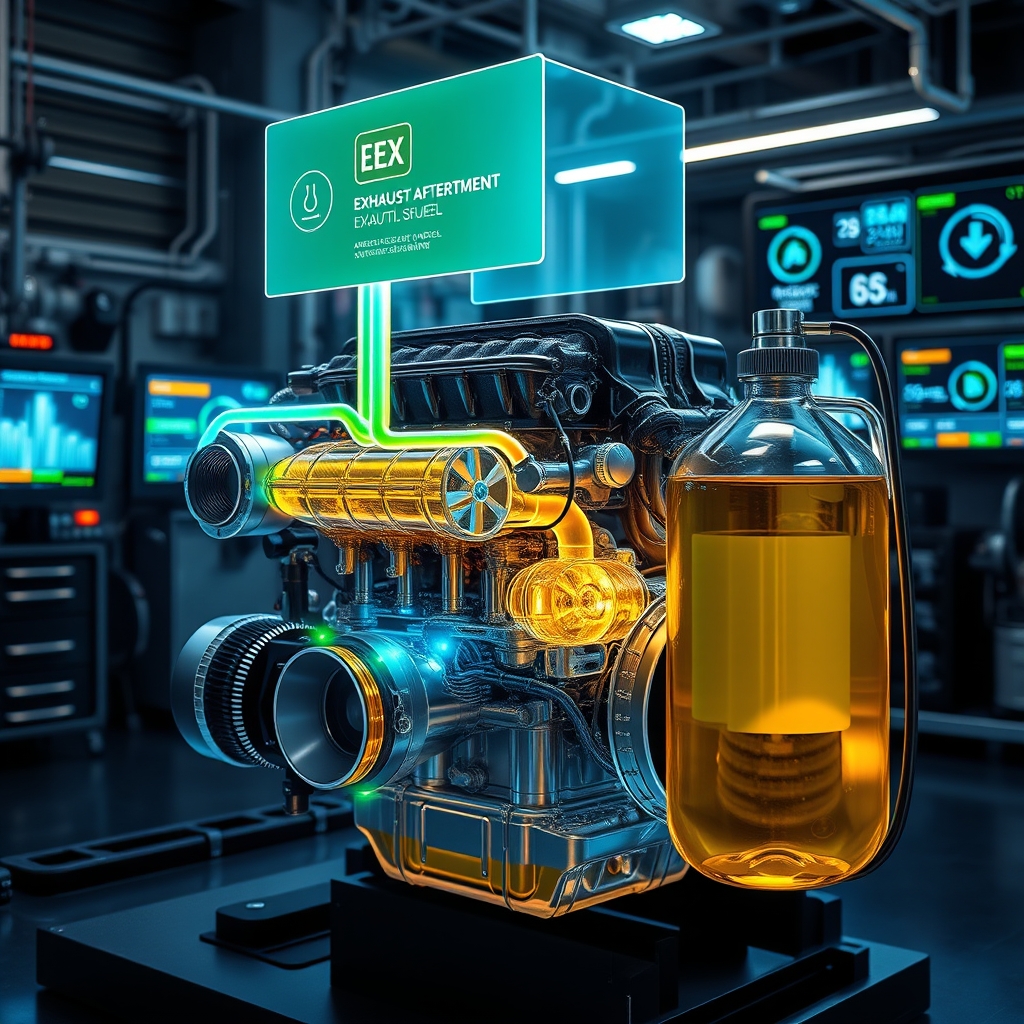
The internal combustion engine (ICE) has long been the backbone of global transportation, powering everything from daily commutes to cross-continental journeys. Yet, as the world pivots toward sustainability, the ICE has faced scrutiny for its environmental impact. However, rather than fading into obsolescence, the ICE is undergoing a transformation—one that blends cutting-edge technology with eco-conscious innovation. At the heart of this evolution lies the synergy between exhaust aftertreatment systems and eco-friendly biofuels, a combination that is redefining what it means to drive sustainably without sacrificing performance.
The Science Behind Exhaust Aftertreatment
Exhaust aftertreatment systems are the unsung heroes of modern engines, working silently to mitigate harmful emissions before they escape into the atmosphere. These systems employ a range of technologies, including selective catalytic reduction (SCR), diesel particulate filters (DPF), and lean NOx traps (LNT), to break down pollutants like nitrogen oxides (NOx), carbon monoxide (CO), and particulate matter (PM). The result? A dramatic reduction in the environmental footprint of traditional engines.
SCR systems, for instance, inject a urea-based solution (commonly known as AdBlue) into the exhaust stream, converting NOx into harmless nitrogen and water vapor. Meanwhile, DPFs capture soot particles, preventing them from being released into the air. These technologies have become standard in diesel engines, but their application is expanding to gasoline-powered vehicles as emissions regulations tighten worldwide. The advancements in aftertreatment are not just about compliance—they’re about pushing the boundaries of what’s possible in thermal efficiency and carbon-neutral mobility.
The Rise of Eco-Friendly Biofuels
While exhaust aftertreatment addresses the emissions produced by combustion, eco-friendly biofuels tackle the root of the problem: the fuel itself. Biofuels, derived from organic materials like agricultural waste, algae, or even used cooking oil, offer a renewable alternative to fossil fuels. Unlike traditional gasoline or diesel, biofuels can be carbon-neutral, as the carbon dioxide released during combustion is offset by the CO2 absorbed during the growth of the biomass used to produce them.
One of the most promising developments in this space is renewable diesel, a drop-in fuel that can be used in existing diesel engines without modification. Unlike biodiesel, which can sometimes require engine adjustments, renewable diesel offers a seamless transition for fleets and consumers alike. Additionally, synthetic fuels, produced using renewable energy and captured carbon dioxide, are emerging as a game-changer. These fuels can be tailored to mimic the properties of gasoline or diesel while being entirely carbon-neutral, making them a compelling option for industries where electrification is challenging, such as aviation and heavy-duty transport.
The Synergy of Aftertreatment and Biofuels
The true potential of sustainable ICE performance lies in the synergy between exhaust aftertreatment and biofuels. When combined, these technologies create a feedback loop of efficiency and environmental responsibility. For example, biofuels like renewable diesel produce fewer particulate emissions than conventional diesel, reducing the strain on DPFs and extending their lifespan. Similarly, the cleaner combustion of biofuels results in lower NOx emissions, making SCR systems more effective and reducing the need for urea consumption.
This synergy is particularly impactful in hybrid powertrains, where an ICE is paired with an electric motor. In such systems, the ICE can be optimized for efficiency, running on biofuels and equipped with advanced aftertreatment to minimize emissions during the limited periods it’s in use. The result is a vehicle that leverages the best of both worlds: the range and familiarity of an ICE with the sustainability of electric power.
Real-World Applications and Future Outlook
The marriage of exhaust aftertreatment and biofuels is already making waves in industries where electrification is not yet feasible. In heavy-duty trucking, for instance, fleets are adopting renewable diesel and advanced SCR systems to meet stringent emissions standards while maintaining the power and range required for long-haul transport. Similarly, in aviation, synthetic fuels are being tested as a way to reduce the carbon footprint of flights without overhauling existing aircraft engines.
Looking ahead, the integration of connected car technology could further enhance the efficiency of these systems. Imagine a vehicle that adjusts its aftertreatment strategy in real-time based on driving conditions, fuel quality, and even traffic patterns. Such advancements could optimize performance while minimizing emissions, bringing us closer to a future where ICE vehicles are not just cleaner, but truly sustainable.
Challenges and Opportunities
Despite the promise of this synergy, challenges remain. The production of biofuels at scale requires significant investment in infrastructure, and questions persist about the land use implications of growing biomass for fuel. Additionally, the cost of advanced aftertreatment systems can be prohibitive for some markets, particularly in developing regions where emissions regulations are less stringent.
However, these challenges also present opportunities for innovation. Advances in dual fuel combustion, where biofuels are blended with traditional fuels, could ease the transition by reducing the demand for pure biofuels. Meanwhile, research into exhaust aftertreatment materials, such as more durable catalysts, could lower costs and improve longevity. Governments and private enterprises alike are investing in these areas, recognizing that the path to carbon-neutral mobility is not a one-size-fits-all solution but a mosaic of technologies working in harmony.
The road to sustainable transportation is not about abandoning the internal combustion engine but reimagining it. By harnessing the power of exhaust aftertreatment and eco-friendly biofuels, we can breathe new life into a century-old technology, transforming it into a cornerstone of a greener future. As these innovations continue to evolve, they remind us that progress is not always about reinventing the wheel—sometimes, it’s about making the wheel smarter, cleaner, and more efficient than ever before.