The Fuel of Tomorrow: How Eco-Conscious Selection and Data-Driven Workflows Are Redefining Sustainable Transport
The transportation sector stands at a crossroads, where the urgency of climate action intersects with the relentless demand for efficiency. As fleets grow and supply chains stretch across continents, the need for smarter, greener fuel solutions has never been more pressing. The answer lies not just in adopting alternative fuels but in reimagining how we select, monitor, and optimize energy consumption through data-driven workflows and eco-conscious decision-making.
The Rise of Eco-Conscious Fuel Selection
Gone are the days when fuel selection was a one-size-fits-all equation. Today, the choice of energy source—whether biofuels, hydrogen, electricity, or advanced synthetic fuels—must align with operational demands, environmental goals, and economic realities. Eco-conscious fuel selection is no longer a niche consideration but a cornerstone of modern logistics. Companies are increasingly evaluating fuels based on their carbon footprint, energy density, and compatibility with existing infrastructure, ensuring that sustainability does not come at the expense of performance.
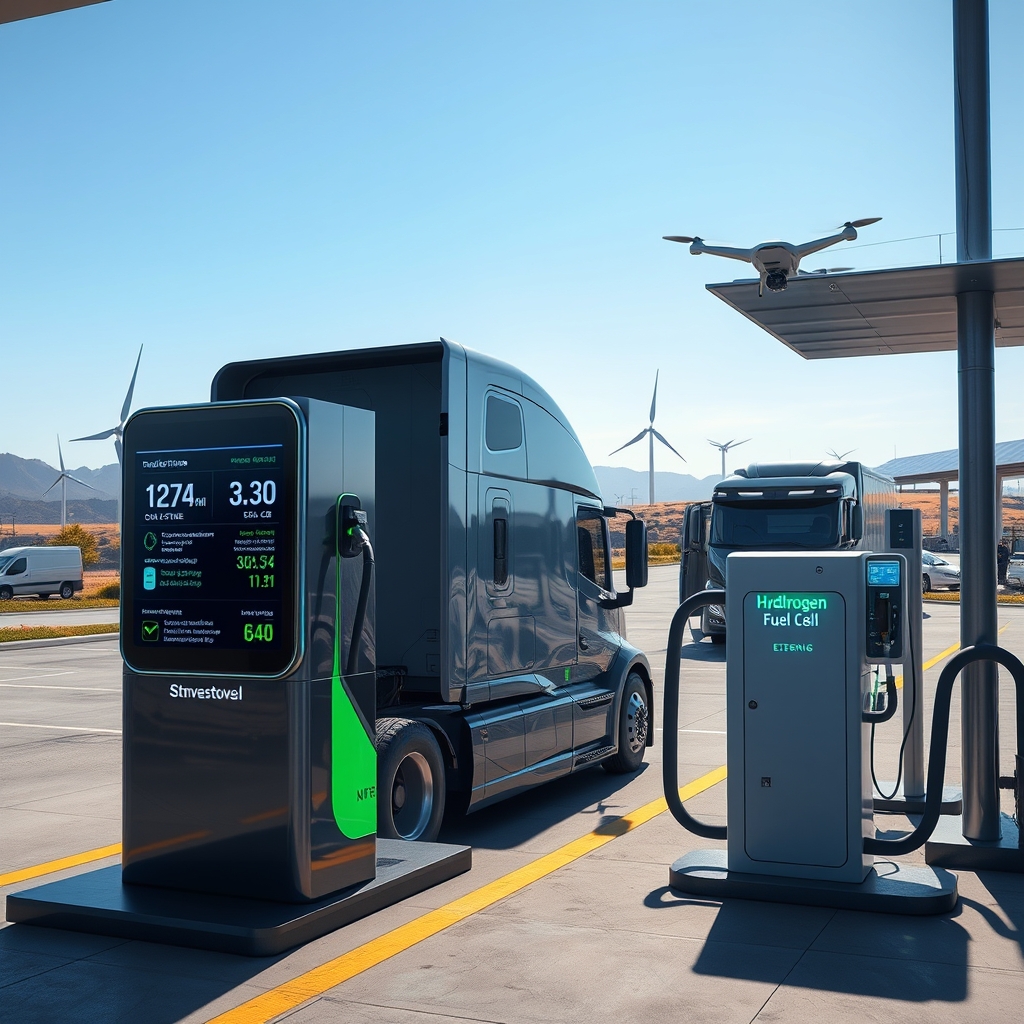
For instance, biofuels derived from waste materials or algae offer a lower-carbon alternative to traditional diesel while maintaining compatibility with existing engines. Similarly, hydrogen fuel cells are gaining traction in long-haul trucking, where their high energy output and zero-emission profile make them ideal for heavy-duty applications. The key is not just choosing a greener fuel but integrating it seamlessly into fleet operations through adaptive workflows that account for variables like route optimization, vehicle load, and refueling infrastructure.
Predictive Analytics: The Engine of Smarter Fuel Decisions
At the heart of this transformation is predictive fuel analytics, a technology that leverages machine learning and real-time data to forecast consumption patterns, identify inefficiencies, and recommend optimal refueling strategies. By analyzing historical data, weather conditions, traffic patterns, and vehicle performance metrics, predictive analytics can reduce fuel waste by up to 15%, a significant margin in an industry where fuel costs often account for the largest share of operational expenses.
Consider a logistics company managing a fleet of delivery trucks. Predictive analytics can determine the most fuel-efficient routes, taking into account factors like elevation changes, traffic congestion, and idling times. It can also predict when a vehicle is likely to need refueling, ensuring that drivers avoid unnecessary detours or last-minute stops at high-cost fuel stations. Over time, these small optimizations add up, translating into substantial cost savings and a reduced carbon footprint.
Transparent Tracking: Building Trust Through Visibility
One of the biggest challenges in sustainable fuel management is ensuring transparency across the supply chain. Stakeholders—from fleet managers to regulators—need real-time visibility into fuel consumption, emissions, and operational efficiency. Transparent fuel tracking systems, powered by blockchain and IoT devices, are making this possible by providing an immutable record of every gallon consumed, every mile driven, and every gram of CO2 emitted.
These systems do more than just track fuel; they build trust. For example, a company committed to carbon-neutral operations can use transparent tracking to prove its compliance with sustainability standards, whether for internal audits or external certifications. Customers, too, are increasingly demanding proof of eco-friendly practices, and transparent fuel tracking provides the data needed to back up green claims. Moreover, by identifying discrepancies—such as fuel theft or inefficient driving behaviors—these systems help companies take corrective action before small issues become costly problems.
Seamless Refueling: The Next Frontier in Logistics
The refueling process itself is undergoing a revolution. Traditional methods, which often involve manual input, long wait times, and inconsistent fuel quality, are being replaced by seamless, automated systems that prioritize efficiency and reliability. Smart fueling stations equipped with AI-driven pumps can recognize vehicles, authorize transactions, and even suggest the optimal fuel type based on the vehicle’s profile and current conditions.
For fleets operating across multiple regions, seamless refueling is a game-changer. Imagine a trucking company with vehicles traversing Europe, where fuel types, prices, and availability vary widely. An integrated refueling platform can direct drivers to the most cost-effective and eco-friendly fueling stations along their route, ensuring that they never run low on fuel while minimizing downtime. This level of automation not only reduces operational friction but also enhances the overall sustainability of the fleet by ensuring that every refueling stop is as efficient as possible.
High-Performance Energy Usage: Doing More with Less
Sustainable transport is not just about reducing emissions; it’s about maximizing the energy efficiency of every vehicle in a fleet. High-performance energy usage involves optimizing every aspect of a vehicle’s operation, from aerodynamics and tire pressure to engine tuning and driver behavior. Telematics systems, which collect and analyze data from sensors embedded in vehicles, play a crucial role in this process by providing real-time feedback on fuel consumption and identifying opportunities for improvement.
For example, telematics can alert drivers to behaviors that waste fuel, such as excessive idling, aggressive acceleration, or improper gear shifting. By coaching drivers to adopt smoother, more efficient driving habits, companies can reduce fuel consumption by up to 10% without making any changes to their vehicles or routes. Similarly, predictive maintenance systems can identify mechanical issues—like clogged air filters or misaligned wheels—before they lead to decreased fuel efficiency, ensuring that vehicles operate at peak performance at all times.
As the world moves toward a low-carbon future, the transportation sector must embrace a holistic approach to fuel management—one that combines eco-conscious fuel selection, data-driven workflows, and transparent tracking to create a system that is not only sustainable but also efficient and cost-effective. The tools and technologies needed to achieve this vision are already here; the challenge lies in integrating them into a cohesive strategy that prioritizes both environmental stewardship and operational excellence. The road ahead is paved with innovation, and those who seize the opportunity to rethink fuel management today will lead the charge toward a greener, more resilient tomorrow.