
Beyond the Battery: How Solid State Technology and Smart Systems Are Unlocking the True Potential of Electric Mobility
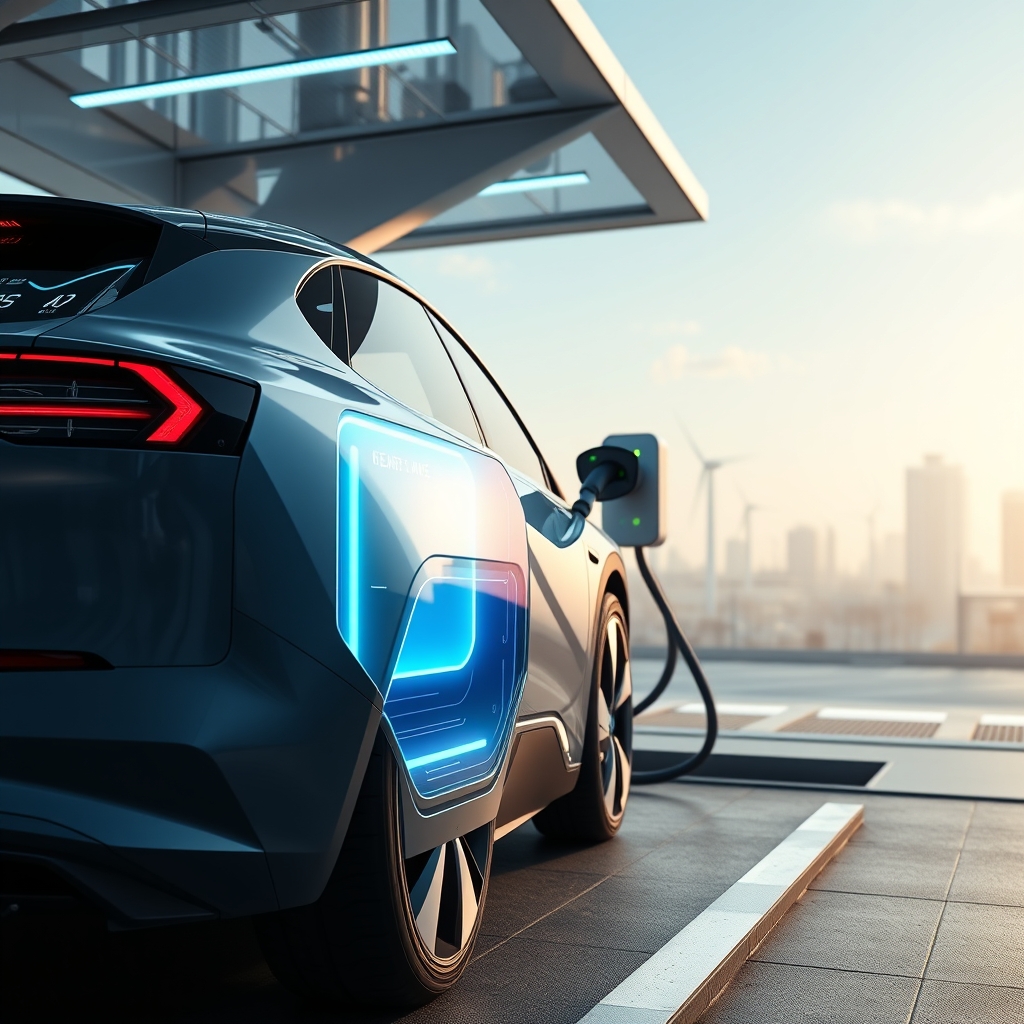
The electric vehicle (EV) revolution is often framed as a battle between batteries and internal combustion engines, but the reality is far more nuanced. While lithium-ion batteries have dominated the conversation, a new wave of innovation is quietly reshaping what’s possible—pushing beyond mere range and charging speed to redefine efficiency, safety, and sustainability. At the heart of this transformation lies the convergence of solid-state batteries and intelligent energy management systems, a synergy that could finally unlock the full promise of electric mobility.
The Solid State Advantage: More Than Just a Battery Upgrade
Solid-state batteries represent a fundamental leap forward in energy storage. Unlike their liquid-electrolyte predecessors, these batteries replace the flammable liquid with a solid material, such as ceramics or polymers. The result? A dramatic improvement in energy density—potentially doubling or even tripling the range of today’s EVs without increasing weight or size. But the benefits extend beyond capacity. Solid-state batteries are inherently safer, eliminating the risk of thermal runaway that has plagued lithium-ion cells. They also charge faster, degrade slower, and operate more efficiently across a wider range of temperatures, making them ideal for everything from urban commuters to long-haul freight.
Yet, the transition to solid-state technology isn’t without challenges. Manufacturing at scale remains a hurdle, with costs and production complexities slowing widespread adoption. Early prototypes have struggled with dendrite formation—tiny, needle-like structures that can short-circuit the battery—but recent breakthroughs in materials science are offering promising solutions. Companies like QuantumScape, Solid Power, and Toyota are racing to commercialize these batteries, with pilot programs already underway in select vehicle models. The question isn’t if solid-state batteries will arrive, but when—and how they’ll integrate with the broader ecosystem of electric mobility.
The Brain Behind the Brawn: Battery Management Systems in the Solid State Era
A battery is only as good as the system that manages it. Enter the battery management system (BMS), the unsung hero of electric vehicles. In the era of solid-state batteries, the BMS takes on an even more critical role. These systems monitor cell health, balance charge levels, regulate temperature, and predict performance degradation—all in real time. With solid-state batteries, the BMS must adapt to new chemistries and behaviors, ensuring that the increased energy density and faster charging don’t come at the cost of longevity or safety.
Advanced BMS platforms are now leveraging artificial intelligence to optimize performance dynamically. Machine learning algorithms analyze driving patterns, environmental conditions, and battery health to adjust charging and discharging strategies on the fly. For example, a BMS might prioritize slower charging in extreme cold to preserve battery life or distribute power more aggressively during highway driving to maximize efficiency. These intelligent systems are also critical for vehicle-to-grid (V2G) applications, where EVs can feed energy back into the grid during peak demand, turning cars into mobile power storage units.
The Role of Smart Charging Infrastructure
Even the most advanced battery is only as effective as the infrastructure that supports it. Smart charging networks are evolving to meet the demands of solid-state batteries, offering faster, more flexible, and more sustainable energy delivery. Unlike traditional charging stations, smart chargers communicate with the grid, the vehicle, and even the driver’s schedule to optimize charging sessions. They can adjust power output based on grid demand, prioritize renewable energy sources, and even pre-condition the battery for optimal performance before a trip.
For solid-state batteries, this level of intelligence is essential. Their ability to charge rapidly means that high-power charging stations must be strategically deployed to avoid overloading local grids. Smart charging also enables bidirectional energy flow, allowing EVs to act as distributed energy resources. Imagine a fleet of electric delivery trucks parked overnight, not just charging but also stabilizing the grid by feeding stored energy back during peak hours. This vision is already becoming a reality in pilot projects across Europe and North America, where utilities and automakers are collaborating to create a more resilient and sustainable energy ecosystem.
The Bigger Picture: Carbon Neutral Mobility and Beyond
The shift to solid-state batteries and smart energy management isn’t just about improving EVs—it’s about reimagining mobility as a whole. Carbon neutral mobility requires more than just zero-emission vehicles; it demands a holistic approach that includes renewable energy, circular economy principles, and intelligent infrastructure. Solid-state batteries, with their longer lifespans and reduced reliance on rare earth metals, align more closely with these goals. When paired with smart charging networks powered by wind, solar, or other renewables, they can significantly reduce the carbon footprint of transportation.
Moreover, the integration of autonomous driving systems and connected car technology further amplifies these benefits. Self-driving EVs equipped with solid-state batteries and AI-driven BMS can optimize routes, reduce energy consumption, and even coordinate with other vehicles to minimize traffic congestion. This level of connectivity transforms individual cars into nodes in a larger, smarter transportation network—one that prioritizes efficiency, sustainability, and user experience.
The Road Ahead: Challenges and Opportunities
Despite the promise, the path to widespread adoption of solid-state batteries and smart systems is fraught with obstacles. High production costs, supply chain constraints, and the need for new manufacturing infrastructure all pose significant challenges. Automakers must also navigate the complexities of integrating these technologies into existing vehicle platforms while ensuring backward compatibility with current charging networks. Public perception and regulatory frameworks will play a crucial role, as consumers and policymakers alike grapple with the shift toward more advanced—and initially more expensive—technologies.
Yet, the opportunities far outweigh the challenges. Solid-state batteries could finally make EVs competitive with internal combustion engines in terms of cost, convenience, and performance. Smart energy management systems could turn every EV into a mobile power plant, accelerating the transition to renewable energy. And as these technologies mature, they’ll pave the way for even more ambitious innovations, from hydrogen fuel cell hybrids to fully autonomous, zero-emission fleets. The future of mobility isn’t just electric—it’s intelligent, interconnected, and infinitely adaptable.
The conversation around electric vehicles has long been dominated by range anxiety and charging times, but the real revolution lies beneath the surface. Solid-state batteries and smart energy systems are not just incremental improvements; they are the building blocks of a new era in transportation. As these technologies converge, they’re not just changing how we power our cars—they’re redefining what it means to move through the world, seamlessly and sustainably. The road ahead is electric, but the destination is something far greater: a future where mobility is clean, efficient, and effortlessly in tune with the needs of both people and the planet.