
The Intersection of Green Hydrogen Storage and Electrofuels: Pioneering the Next Wave of Sustainable Mobility
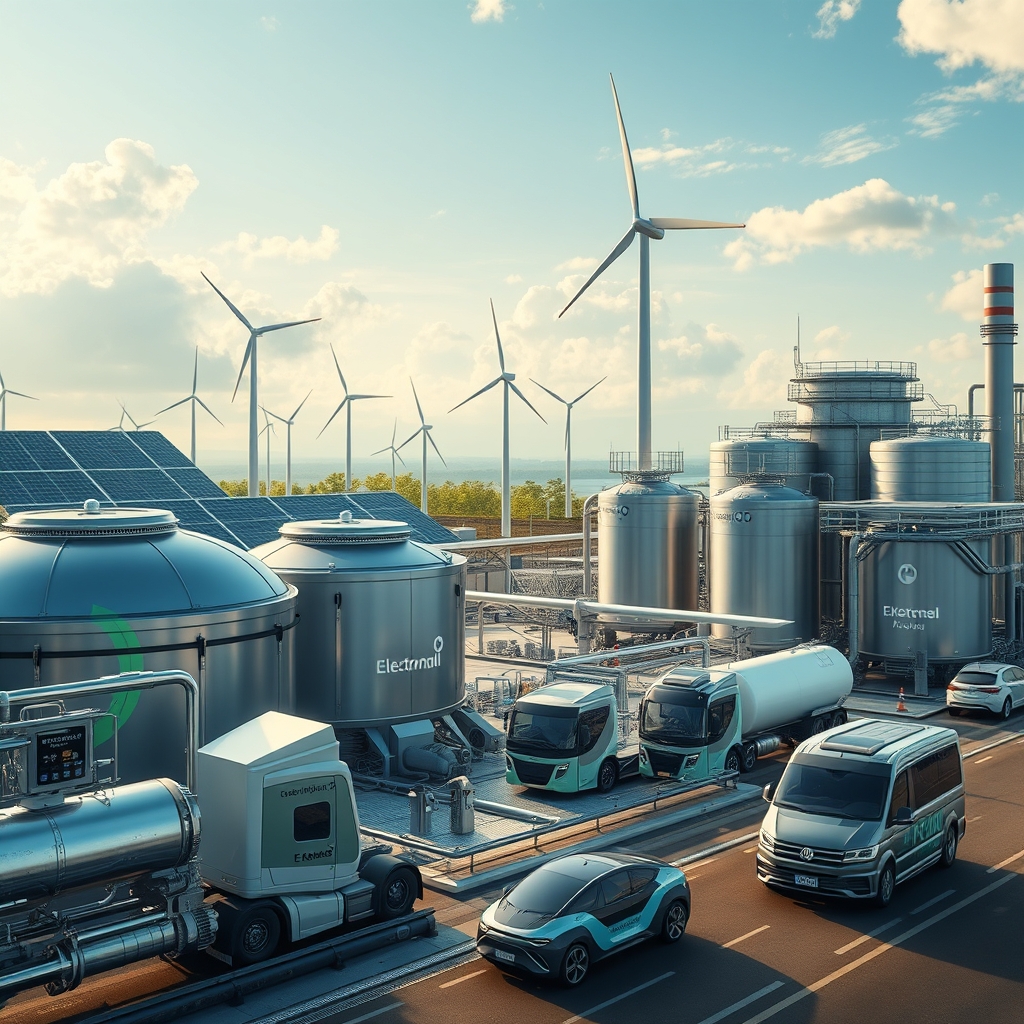
The quest for sustainable mobility has led to remarkable innovations in alternative fuels, with green hydrogen storage and electrofuels emerging as two of the most promising solutions. These technologies not only address the urgent need to reduce carbon emissions but also offer scalable pathways to decarbonize sectors that are traditionally hard to electrify, such as aviation, shipping, and heavy-duty transport. As the world races toward net-zero goals, understanding the synergy between these two technologies could unlock unprecedented opportunities for a cleaner, more resilient energy future.
The Rise of Green Hydrogen Storage
Green hydrogen, produced through the electrolysis of water using renewable energy sources like wind or solar, is gaining traction as a versatile and zero-emission fuel. Unlike gray or blue hydrogen, which rely on fossil fuels and carbon capture, green hydrogen is entirely sustainable, making it a cornerstone of the energy transition. However, one of the biggest challenges lies in its storage and transportation. Hydrogen has a low energy density by volume, which means it must be compressed, liquefied, or converted into a carrier form to be practical for large-scale use.
Advanced storage solutions, such as high-pressure tanks, metal hydrides, and liquid organic hydrogen carriers (LOHCs), are being developed to overcome these hurdles. High-pressure storage, for instance, allows hydrogen to be stored at pressures up to 700 bar, significantly increasing its energy density. Meanwhile, LOHCs enable hydrogen to be chemically bonded to a liquid carrier, making it easier to transport and store without the need for extreme temperatures or pressures. These innovations are critical for integrating green hydrogen into existing energy infrastructures and ensuring its viability as a mainstream fuel.
Electrofuels: The Liquid Gold of Sustainable Mobility
Electrofuels, also known as e-fuels or synthetic fuels, are produced by combining green hydrogen with captured carbon dioxide (CO₂) to create carbon-neutral liquid fuels. These fuels mimic the properties of conventional gasoline, diesel, or kerosene, making them compatible with existing internal combustion engines and infrastructure. This compatibility is a game-changer, as it allows for a seamless transition to sustainable fuels without the need for costly engine modifications or new distribution networks.
The production of electrofuels involves a process called Power-to-Liquid (PtL), where renewable electricity is used to split water into hydrogen and oxygen. The hydrogen is then combined with CO₂ in a synthesis process to produce hydrocarbons. The resulting fuels, such as e-methanol, e-diesel, or e-kerosene, are not only carbon-neutral but can also be tailored to meet specific performance requirements. For example, e-kerosene is being explored as a drop-in replacement for aviation fuel, offering a sustainable solution for an industry that accounts for nearly 3% of global CO₂ emissions.
The Synergy Between Green Hydrogen and Electrofuels
The true potential of green hydrogen and electrofuels lies in their complementary nature. Green hydrogen serves as the foundational building block for electrofuels, providing the renewable energy input needed to produce them. By leveraging excess renewable energy that would otherwise go to waste, green hydrogen can be stored and converted into electrofuels when demand is high. This synergy not only enhances the efficiency of renewable energy systems but also creates a circular economy where CO₂ is recycled rather than emitted.
For instance, in regions with abundant solar or wind resources, excess electricity can be used to produce green hydrogen, which is then converted into electrofuels for use in sectors where direct electrification is challenging. This approach ensures that renewable energy is utilized to its fullest potential, reducing reliance on fossil fuels and accelerating the transition to a carbon-neutral economy. Moreover, the scalability of electrofuels makes them an attractive option for industries that require high-energy-density fuels, such as maritime shipping and long-haul trucking.
Overcoming Challenges and Scaling Up
Despite their promise, green hydrogen and electrofuels face several challenges that must be addressed to achieve widespread adoption. One of the primary obstacles is cost. The production of green hydrogen and electrofuels is currently more expensive than conventional fossil fuels, largely due to the high costs of renewable electricity and electrolysis technology. However, as renewable energy becomes cheaper and electrolysis technologies mature, these costs are expected to decline significantly.
Another challenge is the need for supportive policies and infrastructure. Governments and industries must invest in the development of hydrogen refueling stations, electrofuel production plants, and CO₂ capture technologies to create a robust ecosystem for these fuels. Additionally, regulatory frameworks that incentivize the use of green hydrogen and electrofuels, such as carbon pricing or tax credits, can accelerate their adoption and drive down costs.
Real-World Applications and Future Outlook
Several pilot projects and commercial ventures are already demonstrating the viability of green hydrogen and electrofuels. In Europe, the Haru Oni project in Chile is producing e-methanol using wind power and CO₂ captured from the atmosphere. This e-methanol is then used to create e-gasoline, which can be blended with conventional gasoline or used as a standalone fuel. Similarly, in the aviation sector, companies like Lufthansa and Airbus are exploring the use of e-kerosene to reduce the carbon footprint of air travel.
Looking ahead, the integration of green hydrogen and electrofuels into global energy systems will require collaboration between governments, industries, and research institutions. By investing in innovation, scaling up production, and creating supportive policies, we can unlock the full potential of these technologies and pave the way for a sustainable mobility future. The journey toward decarbonization is complex, but with green hydrogen and electrofuels leading the charge, the vision of a carbon-neutral world is within reach.
The road to sustainable mobility is not a single path but a network of interconnected solutions, each playing a unique role in reducing our carbon footprint. Green hydrogen and electrofuels represent two of the most exciting frontiers in this journey, offering a glimpse into a future where energy is not only clean but also abundant, versatile, and accessible to all. As we continue to innovate and adapt, these technologies will undoubtedly shape the next chapter of human progress, driving us toward a world where mobility and sustainability go hand in hand.