The Future of Sustainable Performance: How Turbocharged Direct Injection and Hybrid Powertrains Are Redefining Eco-Friendly Driving
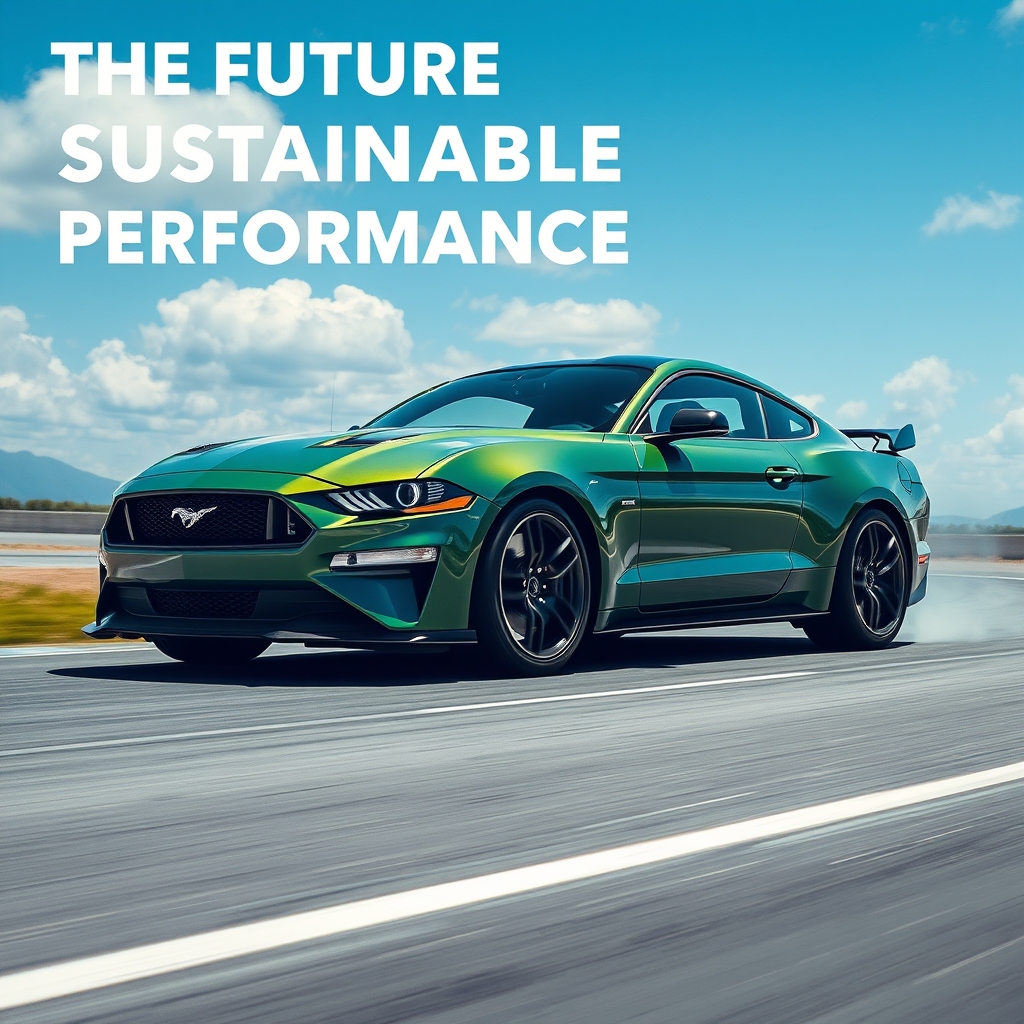
The automotive industry is undergoing a transformative shift, where performance and sustainability are no longer mutually exclusive. As global emissions regulations tighten and consumer demand for eco-friendly vehicles grows, automakers are reimagining traditional powertrains to deliver both power and efficiency. At the forefront of this evolution are turbocharged direct injection (TDI) engines and hybrid powertrains, two technologies that are proving that high performance and low environmental impact can coexist.
The Science Behind Turbocharged Direct Injection
Turbocharged direct injection is not a new concept, but recent advancements have elevated its potential to new heights. Unlike conventional port injection, where fuel is mixed with air before entering the combustion chamber, direct injection sprays fuel directly into the cylinder. This precise delivery enhances combustion efficiency, reduces waste, and improves power output. When paired with turbocharging—a process that forces more air into the engine—this technology significantly boosts performance while maintaining fuel economy.
One of the most compelling advantages of TDI is its ability to extract more energy from each drop of fuel. By optimizing the air-fuel mixture and combustion timing, these engines achieve higher thermal efficiency, meaning less energy is lost as heat. This not only translates to better mileage but also lowers CO₂ emissions, making TDI a compelling option for drivers who refuse to compromise on performance.
Real-World Applications and Benefits
Several automakers have already embraced TDI technology, integrating it into both passenger vehicles and high-performance models. For instance, Volkswagen’s TDI engines have long been praised for their balance of power and efficiency, while BMW’s TwinPower Turbo engines demonstrate how direct injection can enhance responsiveness without sacrificing sustainability. These systems are particularly effective in urban driving, where stop-and-go traffic demands quick acceleration and fuel efficiency.
Beyond consumer vehicles, TDI is also making waves in motorsports. Formula 1’s hybrid power units, which combine turbocharging with energy recovery systems, showcase how direct injection can deliver race-winning performance while adhering to strict fuel consumption limits. This dual focus on speed and sustainability is setting a new standard for what high-performance engines can achieve.
The Rise of Hybrid Powertrains: Bridging the Gap
While TDI represents a leap forward for internal combustion engines, hybrid powertrains offer a complementary path toward sustainable mobility. By combining an internal combustion engine with an electric motor, hybrids leverage the strengths of both technologies to reduce emissions and improve efficiency. The result is a powertrain that can operate in electric-only mode for short distances, switch to gasoline power for longer trips, or use both systems simultaneously for maximum performance.
One of the most significant advantages of hybrid systems is their ability to recover energy through regenerative braking. When the driver applies the brakes, the electric motor acts as a generator, converting kinetic energy into electrical energy that is stored in the battery. This not only improves fuel efficiency but also extends the range of the vehicle, making hybrids an attractive option for eco-conscious drivers.
Plug-In Hybrids and the Path to Zero Emissions
Plug-in hybrid electric vehicles (PHEVs) take the hybrid concept a step further by allowing drivers to recharge their batteries from an external power source. This enables PHEVs to travel longer distances on electric power alone, reducing reliance on fossil fuels. For example, the Toyota RAV4 Prime and Ford Escape PHEV can cover up to 40 miles on electric power, making them ideal for daily commutes and short trips. When the battery is depleted, the gasoline engine kicks in, providing the flexibility needed for longer journeys.
Hybrids also serve as a bridge to fully electric vehicles (EVs), helping drivers transition to zero-emission mobility without the range anxiety often associated with battery-electric cars. As smart charging infrastructure continues to expand, the convenience of recharging hybrids will only improve, further accelerating their adoption.
The Synergy of TDI and Hybrid Powertrains
While TDI and hybrid powertrains are often viewed as competing technologies, they are increasingly being combined to create even more efficient and powerful vehicles. For example, some automakers are pairing turbocharged engines with hybrid systems to create