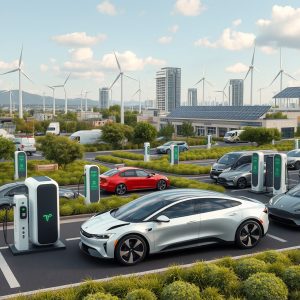
The Future of Mobility: Innovations Driving Carbon Neutral Transportation
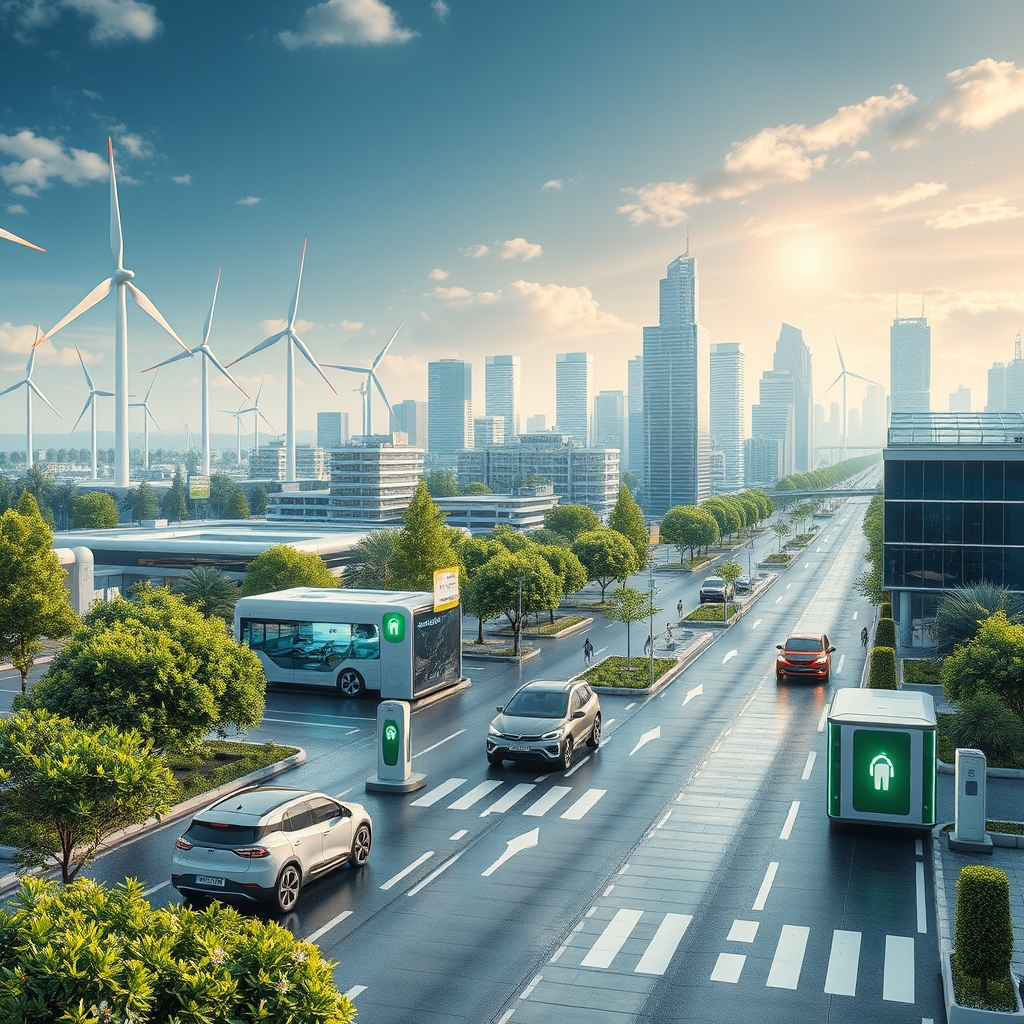
The automotive industry is undergoing a profound transformation, driven by the urgent need to reduce carbon emissions and combat climate change. This shift is not just about replacing old technologies with new ones; it’s about reimagining how we power and interact with our vehicles. From electric vehicles (EVs) to hydrogen fuel cells and synthetic fuels, the future of mobility is being shaped by a diverse range of innovations.
Electric Vehicles and Battery Technology
Electric vehicles are at the forefront of this revolution. Advances in battery technology, particularly solid state batteries, promise to deliver longer ranges, faster charging times, and improved safety. These batteries are not only more efficient but also more environmentally friendly, as they reduce the reliance on rare earth metals.
Regenerative Braking and Smart Charging
Regenerative braking systems capture energy that would otherwise be lost during deceleration, converting it back into electrical energy to recharge the battery. This technology, combined with smart charging infrastructure, ensures that EVs are not only efficient but also seamlessly integrated into the grid. Smart charging systems can optimize charging times based on grid demand, reducing the strain on the power supply and making EVs a more viable option for mass adoption.
Hydrogen Fuel Cells and Synthetic Fuels
Hydrogen fuel cells offer another promising path to zero-emission mobility. These cells generate electricity through a chemical reaction between hydrogen and oxygen, producing only water as a byproduct. Hydrogen can be produced from renewable sources, making it a sustainable fuel option. Additionally, synthetic fuels, created from captured CO2 and renewable energy, provide a carbon-neutral alternative to traditional fossil fuels.
Hybrid Powertrains and Dual Fuel Combustion
Hybrid powertrains combine internal combustion engines with electric motors, offering a bridge to full electrification. These systems can significantly reduce emissions by optimizing the use of both power sources. Dual fuel combustion engines, which can run on a mix of traditional fuels and biofuels, further enhance this flexibility, allowing for a smoother transition to more sustainable energy sources.
Autonomous Driving and Connected Car Technology
Autonomous driving systems and connected car technology are set to revolutionize how we interact with our vehicles. These systems not only enhance safety and convenience but also contribute to more efficient traffic management and reduced emissions. Connected cars can communicate with each other and with infrastructure, optimizing routes and reducing congestion, which in turn lowers fuel consumption and emissions.
Exhaust Aftertreatment and Thermal Efficiency
For internal combustion engines, advancements in exhaust aftertreatment and thermal efficiency are crucial. Modern aftertreatment systems, such as selective catalytic reduction (SCR) and diesel particulate filters (DPF), significantly reduce harmful emissions. Improvements in thermal efficiency ensure that more of the fuel’s energy is converted into useful work, rather than being lost as heat.
As we look to the future, it’s clear that the path to carbon neutral mobility is multifaceted. Electric vehicles, hydrogen fuel cells, synthetic fuels, and advanced internal combustion engines all have a role to play. The key to success lies in integrating these technologies with smart charging infrastructure, autonomous driving systems, and connected car technology. By embracing these innovations, we can create a more sustainable and efficient transportation system, paving the way for a greener future.